DD
MM
YYYY

PAGES

DD
MM
YYYY

spot_img

PAGES

Home Blog Page 7439

The Nigerian insurance sector and emerging global business model that could be replicated for growth

0

The Nigerian insurance market is a paltry $1 billion (by premium sold) and that is for a country with more than 180 million people. (By comparison, the global market size is $4.55 trillion.)  Over the years, Nigerian insurers have been unable to expand this market owing to lack of innovation.

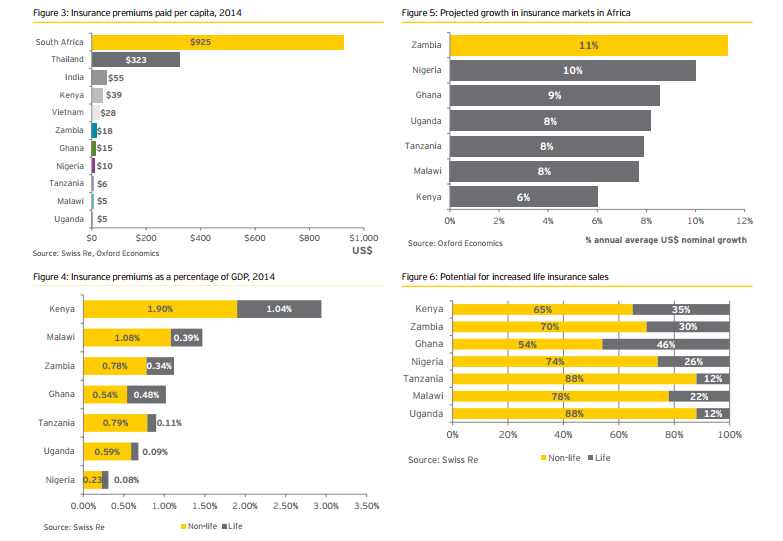
South Africa accounts for almost 80 per cent of all premiums in sub-Saharan Africa and the country has an insurance penetration rate — the total value of insurance premiums as a proportion of GDP — of about 13 per cent, well above the developed world average. Of the rest, Kenya is among the most advanced, with a penetration rate of 3 per cent. Nigeria’s, in comparison, is about 0.4 per cent, even though it is Africa’s most populous.

Indeed, except the websites these companies have, no technology innovation can be evident, on new products and services. They continue to sell stale and extremely lackluster products and services to Nigerian businesses and citizens.

They have missed opportunities which could have opened market growths for them. They are simply hoping that social attitude will change for Nigerians to begin to buy insurance, as they constantly blame the customers for their problems. Thinking outside the box with great products to change the mindsets of the consumes is not one of their strategies.

The Nigerian Insurance Industry

The Nigerian Insurance Industry includes the following sub-sectors: Composite, Non-life, Life and Reinsurance operators. Over the last five years, the Nigerian Insurance Industry has grown at a compound annual growth rate (CAGR) of 11%, buoyed by increased capitalization as well as the introduction of policies aimed at promoting the local market.

Nonetheless, the industry remains challenged with low apathy from the Nigerian populace and weak policy enforcement practices, resulting in a low penetration ratio of 0.4%. These challenges however present enormous opportunities when benchmarked with other African countries especially South Africa.
The Global Trajectory

Financial firms have long used rating agencies like Moody’s or S&P to judge the risk of bonds. Now, companies that face risk from cyber attacks—which these days is almost everyone—have a tool to do the same. African companies llost a total of $2 billion in 2016.

There is a trajectory to build a real business in this space. On Wednesday, CyberGRX unveiled a platform that acts as a clearinghouse for cyber risk. Developed by a group of blue chip security pros from companies like Blackstone and Aetna, CyberGRX promises to make the process of flagging cyber dangers from their vendors dramatically more efficient.

A Comprehensive Third Party Risk Management Platform Built by and with security practitioners, CyberGRX provides the most comprehensive third party cyber risk management platform, addressing the existing inefficiencies and creating benefit for both enterprises and for their partners and vendors. Through its innovative design, automation and advanced analytics, the CyberGRX platform enables enterprises to cost-effectively and collaboratively identify, assess, mitigate and monitor an enterprise’s cyber risk exposure across its entire vendor, partner and customer ecosystem.

The Nigerian Opportunity

Nigerian insurers through National Insurance Commission (NAICOM) and Nigerian Insurers Association (NIA) can come together to build a comprehensive tool like CyberGRX and use that to sell new type of policies in Nigeria. They can also use same to sell services to public companies through partnerships with Nigerian Stock Exchange. There will be opportunities in this space because cybersecurity risk is expanding in Nigeria. But to unlock the market, collaboration is key.
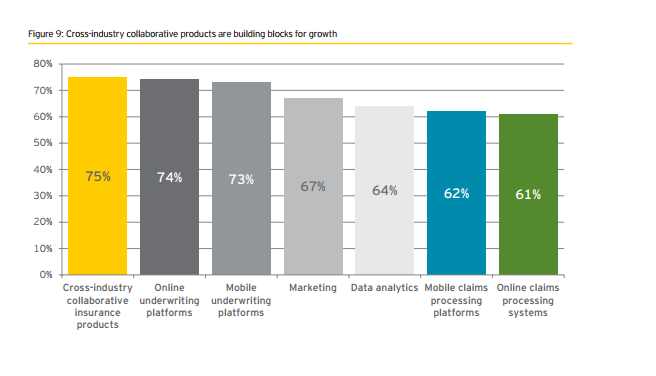
The opportunities will come via new business models underpinned by these business trends:

  • Outsourcing

Organizations are relying on third-parties to improve the way systems function. And for good reason. Deloitte’s 2016 Global Outsourcing Survey found that businesses outsource to reduce costs and drive innovation. And all indicators suggest that outsourcing is here to stay.

  • Yahoo boys are hungry

Last year, third party cyber attacks reached a tipping point. Businesses worldwide lost more than $400 billion to hackers. Nigeria is losing millions of dollars via cyber-attacks – $550 million in 2016.

  •  Regulatory requirements

Regulators, across all industries, are required to examine businesses on their compliance to cyber security laws. Some of the most common laws being, PCI, NERC, FISMA, HIPAA, SOX and GLBA.  Recent trends in outsourcing and cybercrime have forced industry regulators to put pressure on organizations to better manage third party cyber risks.

Rounding Up

Digital ecosystems will continue to grow.  Bad guys will continue to prey upon the path of least resistance – third parties.  There will be opportunities for insurance firms to come together and build a new business model in the scope of CyberGRX in Nigeria. The product  must help clients do the following:


  • Plan: provide tiers tor third parties based on inherent risk factors.
  • Assess: provides Risk Assessment as a Service (RAaaS) in the form of an on-site assessment or portal based self-assessment that is always up-to-date.
  • Mitigate: prioritizes the most appropriate mitigation strategy and enables collaboration with your third party’s to reduce phone calls and emails.
  • Monitor: continuous monitoring from the inside/out and outside/in. Correlate threat intelligence to weak controls to dynamically reprioritize levels of due diligence.
  • Getting Assessed: offer simplified, straightforward,  and comprehensive assessments.


Need Help?

These are many experts in this sector in Africa. One is Facyber which is a cybersecurity training and consulting firm. Another company is Kenya based Serianu.
INTERPOL comprehensive analysis of cybercrime in West Africa and five preferred tools by African cybercriminals

2

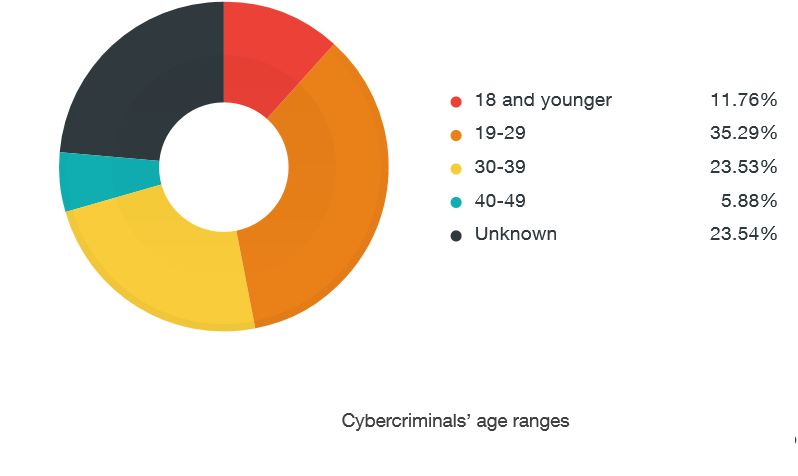
West African cybercriminals have one skill they are particularly good at—defrauding victims. But why resort to cybercrime? It is actually quite simple, almost half of the 10 million graduates from more than 668 African universities each year do not find employment. According to the INTERPOL survey, West African law enforcement agencies recognize that about 50% of the cybercriminals that they identified in the region are unemployed.

Trend Micro Incorporated, a global leader in cybersecurity solutions, in collaboration with INTERPOL, has released research on cybercriminal activity in West Africa, “Cybercrime in West Africa: Poised for an Underground Economy,” as part of its ongoing Cybercriminal Underground Economy Series (CUES).

A Kenyan firm released one few days with specific focus on Nigeria where it put the total cyber-crime related losses for Africa at $2 billion with Nigeria contributing more than 25%.

Trend Micro – INTERPOL Research

Trend Micro research showed that scams targeting individuals and businesses have grown exponentially since 2013.The research revealed that West African cybercriminal activity is driven by two types of threat actors: Yahoo Boys and Next-Level Cybercriminals.

Yahoo Boys, named for their reliance on Yahoo apps to communicate, became the primary type of cybercriminal in this region in the early 2000s. They focus on less technically advanced schemes, including advanced-fee, stranded traveler and romance scams under the supervision of a ringleader.

Next-Level Cybercriminals are able to execute more sophisticated attacks, such as Business Email Compromise (BEC) and tax scams. The more complex attacks take more time and investment, but the average BEC scam results in a payout of $140,000, making it worth the extra time and effort.

They use malware (keyloggers, remote access tools/Trojans [RATs], etc.) and other crime-enabling software (email-automation and phishing tools, crypters, etc.) that are easily obtainable from underground markets.

One constant finding throughout Trend Micro’s CUES research is that each underground marketplace culturally reflects the region in which it operates, and West Africa is no exception. Cybercriminals here openly communicate, even potentially meeting in person, sharing best practices and encouraging newcomers. This has developed a culture among threat actors that encourages scamming and supporting one another.

Partnership Required

This report further highlights the importance of public-private partnerships in identifying and arresting cybercriminals, as well as educating businesses and governments about cyber threats. Trend Micro and INTERPOL have a longstanding partnership, with joint operations and research leading to the takedown of cybercriminal networks in a collective effort to make the digital world safer for everyone.

One such collaboration in 2016 resulted in the arrest of a Nigerian national who had extorted $60 million from businesses around the world using BEC scams

Evolving Underground Market

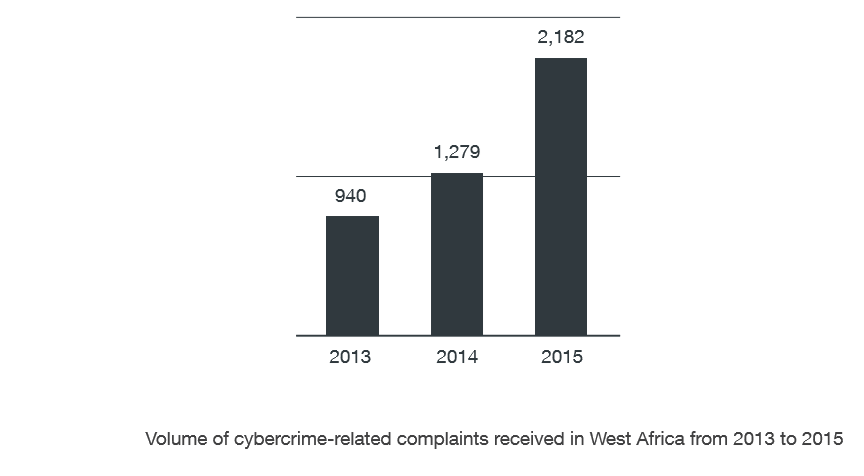
Cybercriminals are bound to continue honing their know-how, skill sets, and arsenals to slowly but surely form their own community. There may not be a West African cybercriminal underground market now, but cybercrime is definitely an issue in the region. This can be seen from the constant increase in the volume of cybercrime-related complaints targeting both individuals and businesses that law enforcement agencies in the region receive, as shown by the INTERPOL survey.

These are many companies of this evolving market which must be curtailed:

  • Yahoo Boys
    Yahoo boys, dubbed such due to their heavy use of Yahoo!® apps for communication via email and instant messaging (IM) in the early 2000s, are often part of groups operating in the same physical location— normally cybercafés. They are supervised by more experienced cybercriminals—usually ringleaders or gang masterminds. Each cybercriminal takes care of an entire operation—from scouring the Internet for email addresses to send spam to, to communicating with each potential victim, and finally receiving the defrauded money. This operating model does not require work segmentation and specialization. Cybercriminals can use more than one fraud type at the same time. In fact, they usually run several different types of fraud at the same time. They can, for instance, run a romance fraud with one victim and an advance-fee fraud with another while sending a stranded-traveler fraud email to other potential victims
  • Advance-Fee Fraud
    The advance-fee fraud12 is the oldest and simplest fraud type. It is also the most varied in terms of pretense and storyline, though the most popular type is the Nigerian prince fraud.
    In the Nigerian prince fraud, the cybercriminal asks a target to help transfer large sums of money with the promise of compensation after providing assistance. However, prior to being compensated, the victim is asked to pay small amounts supposedly for various fees—deposits, notarization, parcel, and transfer fees—that in the end, add up to hundreds, even thousands of dollars.
  • Stranded-Traveler Fraud
    Stranded-traveler fraud first gained notoriety in the early 2010s. These used compromised Facebook and other social networking accounts to request money from the account holders’ contacts. In this type of fraud, the cybercriminal first take control of an account then impersonates the account owner and asks contacts for help with an “emergency,” usually while overseas. The supposed emergency can range from incarceration, kidnapping, a sudden health-related case, or being robbed at gunpoint—anything that would require immediate, no-questions-asked monetary assistance.
  • Romance Fraud
    Romance fraud14 typically involves creating fake but very appealing (to as many potential suitors as possible) accounts on several online-dating sites. Romance fraud can be likened to a “long con,” a confidence trick that usually runs for weeks, even months. In it, the cybercriminal spends time building an online relationship with a target.


Communication Tools

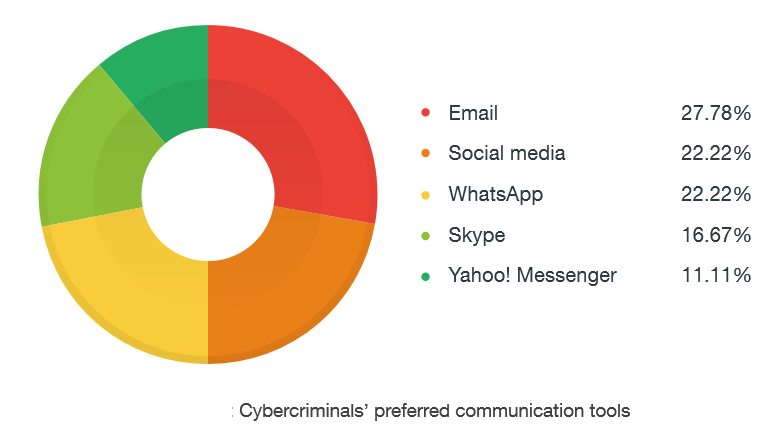
West African cybercriminals typically operate in tight-knit groups. Each group member constantly communicates with peers—sharing targets, compromised email accounts, tools, and best practices. Though cybercriminals use attack tools usually restricted to technical communities or only commonly seen in underground markets, the communication tools they use are less clandestine in nature. According to the INTERPOL survey, most West African cybercriminals use email and social media to communicate with one another although some still use IM applications such as Yahoo! Messenger.

Education and Training

West Africa has to invest in cybersecurity training and awareness. One of the global companies working in the policy, technology and management aspects of cybersecurity and digital forensics covering the region is First Atlantic Cybersecurity Institute. Governments, schools and businesses can take advantage of the training programs provided by Facyber.


Nanodegree Cybersecurity $2000 Scholarships for African Students

0

We are offering limited scholarships on our Nanodegree programs at First Atlantic Cybersecurity Institute to African students. This is a $2,000 value scholarship covering our Certificate and Diploma programs which are prerequisites to our Nanodegree programs. Free broadband internet access is also available for Nigerian students.

First Atlantic Cybersecurity Institute (Facyber) is a cybersecurity training, consulting and research company specializing in all areas of cybersecurity including Cybersecurity Policy, Management, Technology, Intelligence and Digital Forensics. Facyber is based in United States.

The clientele base covers universities, polytechnics, colleges of education, governments, government labs and agencies, businesses, civil organizations, and individuals. Specifically, the online courses are designed for the needs of learners of any discipline or field (science, engineering, law, policy, business, etc) with the components covering policy, management, and technology.

Structure

Programs are structured as Certificate, Diploma and Nanodegree programs with deep resources to support Learners.   Please see complete Facyber catalog and detailed Table of Contents.

Learn about
– Cybersecurity Policy (Certificate, Diploma, or Nanodegree)
– Cybersecurity Management (Certificate, Diploma, or Nanodegree)
– Cybersecurity Technology (Certificate, Diploma, or Nanodegree)
– Cybersecurity Intelligence and Digital Forensics (Certificate, Diploma, or Nanodegree)

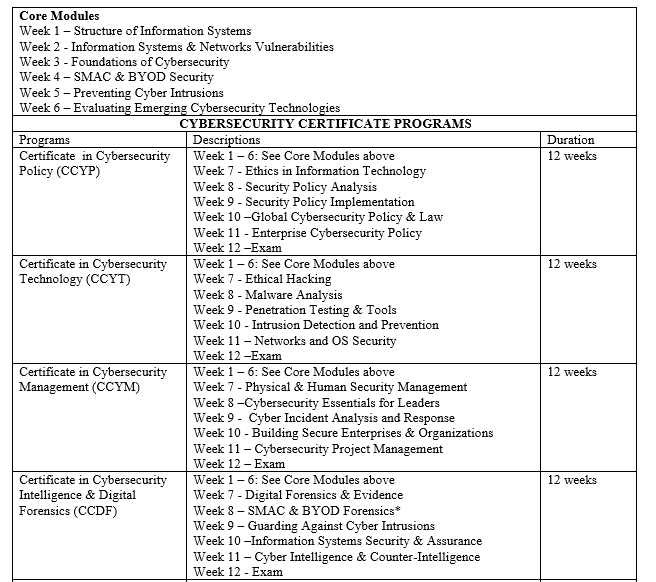
Our Cybersecurity education is structured around four key pillars of policy, management, technology and digital forensics. This implies that we cover all the core needs of any organization or state institutions. While some staff like corporate lawyers may require training on policy, some staff like IT managers may need technical skills. Others like business leaders will find the management module useful. We deliver all these programs through our web portal . The program structure is presented below: certificate programs take 12 weeks; diploma programs which require certificate programs as perquisites take 24 weeks (inclusive of the certificate programs) and the nanodegree programs require a live (virtual) one week training with the diploma programs as prerequisites

Program Descriptions

  • Certificate in Cybersecurity Policy (CCYP): Certificate in Cybersecurity Policy deals with the policy analysis and implementation aspects of cybersecurity. It presents theory and topical issues, at government and enterprise levels, with both technical and managerial components in the fields of information systems security. The program helps learners develop skills on the policy, ethical, and legal issues associated with cybersecurity and information security.
  • Diploma in Cybersecurity Policy (DCYP) Capstone: This is a practical-oriented program where learners are tasked with developing solutions for a theoretical or real case cybersecurity policy issue with the guidance of a mentor. A project report is required at the end of the program.
  •  Certificate in Cybersecurity Technology (CCYT): The Certificate in Cybersecurity Technology is designed to provide learners with skills to analyze multi-faceted complex cybersecurity issues, develop capabilities to make strategic decisions to protect organizations from threats and become competent cybersecurity professionals.
  • Diploma in Cybersecurity Technology (DCYT) Capstone: This is a practical-oriented program where learners are tasked with developing capabilities in the core technical aspect of cybersecurity. Learners will have access to some tools and equipment to work throughout this program. A project report is required at the end of the program.
  • Certificate in Cybersecurity Management (CCYM): The Certificate in Cybersecurity Management equips and prepares learners with modern skills to become effective managers across the broad nexus of cybersecurity and intrusion preventions in organizations. The central core is developing capacity to prevent anticipated cyber intrusions, using experiences to mitigate future threats, and formulating and implementing enterprise-level cybersecurity roadmaps. The program also explores the roles of regulation, policy developments, legal instruments and civil liberties.
  • Diploma in Cybersecurity Management (DCYM) Capstone: This is a practical-oriented program where learners are tasked with developing cybersecurity project management capabilities with the guidance of a mentor. Here, learners develop cybersecurity implementation frameworks. A project report is required at the end of the program.
  • Certificate in Cybersecurity Intelligence & Digital Forensics (CCDF): The Certificate in Cybersecurity Intelligence & Digital Forensics is structured to provide modern skills to those interested in digital forensics, digital intelligence and uncovering digital evidence. The program equips learners with broad analytical frameworks and prepares them to become competent cyber investigators.
  • Diploma in Cybersecurity Intelligence & Digital Forensics (DCDF) Capstone: This is a practical-oriented program where learners are tasked with developing capabilities in digital forensics, digital evidence and digital intelligence. Learners will have access to some tools and equipment to work throughout this program. A project report is required at the end of the program.

Applications

To apply, you need to get a letter from your HOD or Dean indicating that you are a current student in an African university. Send that along with your resume to info@facyber.com and cc audrey.kumar@milonics.com . In a cover letter, explain why Facyber should offer you a scholarship for our Nanogree program, priced at $2000. This program will take 24 weeks since the students selected will automatically be accepted in the Certificate and Diploma programs which are prerequisites to the nanodegree programs.

Free Broadband Internet

If you are in Owerri (Nigeria), we are making our office available for students who want to enroll in our programs but have limited access to internet. If you do enroll, not necessarily via this scholarship, we welcome you to 124A Okigwe Road, Owerri. There, you will have access to our programs at no extra broadband cost. This broadband service is supported by Fasmicro, our Nigeria office.

Deadline: March 31 2017

info@facyber.com

Key factors in African HealthTech sector for making healthcare affordable and accessible

0

The future of healthcare will be driven by using technology to improve many aspects of healthcare system. Machine learning will be a critical part of that equation.

In Africa, this is heating up and many entrepreneurs are getting into the business of health-tech.

Lot of startups are currently mushrooming which is a good sign as far as heath technology is concerned. Upon integration in medicine, AI  and different technology components take care of ‘repetitive work’ like analysis of X-Rays. This in turn leads to saving the radiologists’ time and thereby lead to them devoting more time towards patients.

According to experts, the healthcare market represents $3 trillion, almost 20 percent, of the U.S. economy. It notes that this market also is plagued by a level of gross inefficiency and under-performance largely unseen in any other industries in our post-internet world. The paradigm, however, is shifting dramatically.

In Africa, the numbers are certainly different as we have not been investing in healthcare. But the opportunity for disruption is certainly huge for a continent with more than 1.2 billion people. After agriculture, healthcare is another industry with latent opportunity for bold entrepreneurs to redesign and create value.

The Startups

Africa’s healthcare is such a bloated and bureaucratic industry that, at first glance, it might seem immune to disruption by innovators. But that is changing. Some emerging startups in Africa working on different heath-tech areas include the following:

  • medexperts is an online Community of Practice designed for Nigerian healthcare professionals and the Nigerian Public
  • The Cardiopad offers nurses and cardiologists an innovative methods for performing cardiac examinations and remote interpretations
  • Mozambikes brings lower cost, yet higher quality bicycles to the people of Mozambique
  • MedicRAM (Medical Records And Management) is an innovative modular health IT solution that is intended to transform the way healthcare is managed
  • Santé Africa is a mobile app connecting doctors with patients, providing education to those who seek it and offering access to medical supplies at the convenience of your home.
  • ClaimSync is an end-to-end claims processing platform that enables hospitals and other healthcare providers easily prepare medical claims and send them electronically to health insurance companies
  • MobiSure is a disruptive mobile medical insurance for the poor.
  • QuaWater develops and delivers products and projects that significantly improve the quality of people’s drinking water
  • Ruby Cup is a menstrual cup, an alternative menstrual hygiene product made of medical grade silicone that can be re-used up to 10 years.
  • Penda Health is a social enterprise that provides health services designed for low and middle income women in Kenya.

The ability for these companies to move to the next level will be determined by their capacities to deepen their computational capabilities.

Machine Learning /Electronics

Machine Learning can be programmed to work efficiently with precision medicine which is built on the unique genetic characteristics of a patient. It is natural that people have different genomes, AI would integrate with this and display vital statistics (and errors, if any) relatively early. AI will help patients in preventing them from turning chronic.

This vision is that with artificial intelligence and machine learning,  these innovators can strive to program the systems in such a way that the lifespan of people is increased.  Even life expectancy ratio would increase manifold.  Another important aspect is foetal monitoring in pregnant women. This is now evolving big-time across the world.

African startups will naturally need capabilities in embedded electronics to make this transition. Most are still at the level of software and largely data collection on websites. To collect, process and make sense of the data, electronics will be part of the equation.

Rounding Up

Making healthcare affordable and accessible is critical in Africa. That will only happen when sensible regulations are put in place in the continent along with innovations by our tech entrepreneurs. It is not likely that we are going to see the change coming from products made by GE, Samsung and other global giants.

They do not really understand us because our challenges are never their challenges. So, African innovators are the ones that must step up and transform the continent.

The next few years look promising but we still need capital to take risks on the most ambitious innovators.

How IoT and Big Data are Transforming Healthcare Systems

0

The modern Internet of Things as we know it today is the love child of internet technology, in particular the ability to transfer and process large amounts of data in the cloud, and the smartphone value chain, which also supplies the hardware underpinning IoT.

The ecosystem of IoT is changing the world. Healthcare sector is one major sector that is affected.

Technologies changing global healthcare solutions

Public clouds push and pull data in a mutual procedure to our smart devices in routine use. IoT (Internet of Things) connects partially to related industry information that is helpful for customers to arrive at tailored and better decisions.

Technologies like big data and machine assist service providers to diagnose and prescribe appropriate medicine in advance. Complete course and personalized diagnostics of medicine is the existing scope of machine learning.

Data analytics provides many prospects that help healthy behavior. Health analytics assist healthcare providers in connecting and helping patients outside the clinic. Analytical tools are helpful for patient’s behavior guidance, it not only tracks but also gives specific instructions to develop and maintain health behavior.

Major progress has been made in the sector of curing and managing diseases, extending life expectancy and enhancing the overall quality of life. If consider all is good, you are partially right; in fact, new challenges are usually offered.

Since the average life expectations of humans are increasing; long-term health conditions require continuous monitoring and ongoing treatment. These requirements put extra pressure on already extended healthcare systems and ever-increasing rates. The require of the hour is an answer for reforming and decreasing rates of healthcare monitoring and delivery with enhancing complete quality and making it available and suitable to patients.

Healthcare and IOT devices

Industry experts like Gartner predict that more than 25 billion of devices will be connected through IoT by the end of 2020. How many will be monitoring or medical devices? Many wearable devices such as track weight, heart rates, quality and amount of sleep, strength level of workouts; persons give close attention to these details and manage their health vigorously using wearable devices.

People undergoing from health issues; utilise sophisticated monitoring devices to track and report level hydration, blood sugar, blood oxygenation, lung capacity, mood swings, Body Mass and also capillary blood flow.

The capacity to allocate, regulate and control dosages of medicine is now offered in the form of smart pill bottles. Finally, doctors are using their mobile, smart devices to deliver healthcare and also state ”visit” synopsis that is transformed to text and stored in patient digital medical records as a component of their medical history.

Access to healthcare developments allows more individual to appropriately follow day-to-day activities. Furthermore, you can control your health issues from your home instead of visit a hospital. Now you can enhance your quality of life using IoT devices and other smart technologies.

Not only persons but also healthcare providers can professionally offer healthcare services with these devices. They can track patient’s health, manage medicine and treatments from a remote location, thus enhancing the healthcare level delivered to many patients at the same time. You are able to dictate physicians and summaries of discharge, thus maintaining up-to-date electronic health records.

With the help of a managed service provider to electronic change your healthcare solutions.

Healthcare and Big Data

Big Data has huge potential to change the healthcare sector; big data tools gather billions of data points that can be utilized for health management in three main areas:

·        Descriptive analytics: It calculates what has happened, such as cost, frequency and resources.

·        Predictive analytics: It uses the descriptive data to predicate expected results in the future.

·        Prescriptive analytics: It offers the ability to make positive decisions considering anticipating predictions.


Contributed by Arjun Dedaniya of Teksun Systems