

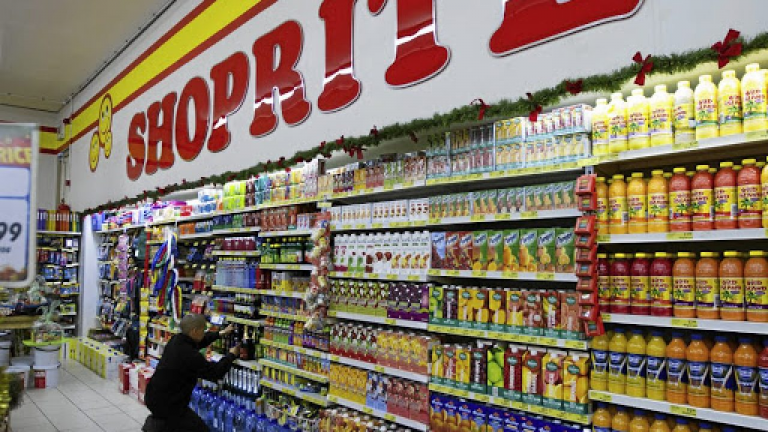
When Shoprite first opened in Nigeria in 2005, it was more than a supermarket. For many Nigerians, it became a lifestyle hub, a place where families shopped together, lovers went on dates, and children experienced their first taste of modern retail. The South African brand represented progress and modern consumer culture. Nearly two decades later, that story has taken a different turn. Shoprite’s retreat from Nigeria, marked by empty shelves, shuttered outlets, and lost jobs, is about more than one retailer leaving. It reflects deep challenges in the Nigerian economy, shifting consumer behaviour, and the unforgiving realities of doing business in the country.
Competition Meets a Changing Market
In its early days, Shoprite dominated the organized retail space. Over time, local supermarkets such as Bokku, Justrite, Jendol, Prince Ebeano, Blenco, and Reno spread into neighborhoods and began to change the game. Their strategy was simple. They moved closer to consumers, cut operating costs, and built strong ties with local buying habits. For many shoppers struggling with high transport costs, proximity now matters more than grandeur. A quick stop at Jendol around the corner beats a trip to Ikeja City Mall. By tailoring their formats to everyday realities, these indigenous retailers steadily chipped away at Shoprite’s dominance.
The Erosion of Consumer Power
Shoprite was never just about products. It was also about experience. The aroma of freshly baked bread, in-store promotions, and long but memorable queues were part of its charm. It was a place where Nigerians enjoyed modern shopping culture. Yet experience depends on affordability. As inflation rose, incomes shrank, and the cost of living spiked, many Nigerians could no longer treat Shoprite as a destination. What was once aspirational became a luxury. More households now practice survival shopping, picking up staples in local markets rather than filling trolleys in malls. Retail is powered by demand, and when consumer pockets run dry, even the strongest brands cannot keep their shelves stocked.
Register for Tekedia Mini-MBA edition 20 (June 8 – Sept 5, 2026).
Register for Tekedia AI in Business Masterclass.
Join Tekedia Capital Syndicate and co-invest in great global startups.
Register for Tekedia AI Lab.
Policy and Economic Strain
Shoprite’s exit cannot be separated from Nigeria’s economic environment. Heavy taxes, foreign exchange shortages, high import costs, and unreliable infrastructure created a business model that was difficult to sustain. The signs of strain were visible long before closures became official. Social media was filled with images of empty shelves and aisles stocked with little more than bottled water. These were not isolated incidents but warnings that the market was no longer supporting a brand that had once symbolized modern retail.
Policy plays a decisive role in business survival. In Nigeria’s case, the cost of operating outweighed the benefits. Shoprite is not only a victim of competition but also a casualty of economic choices that made it harder for large retailers to remain profitable.
What the Exit Reveals
Every closed Shoprite outlet leaves more than empty aisles. Hundreds of employees lose their livelihoods. Suppliers from farmers to logistics providers lose contracts. Malls that depended on Shoprite as an anchor tenant lose foot traffic. The collapse of such chains has ripple effects that spread far beyond the shop floor and into families and communities. Shoprite’s retreat is therefore not only a business narrative. It shows that foreign brands cannot survive on reputation without adapting to local realities. It highlights that consumer spending is the true heartbeat of retail, and when households cannot afford to shop, even the most established names falter.

For Nigeria, the exit should be a warning. The country does not lack entrepreneurs or customers. What it lacks is an enabling environment where both can thrive. Without reforms in taxation, infrastructure, and currency stability, more exits are likely to follow. Empty Shoprite shelves are not simply the end of one brand but a symbol of how fragile the wider retail sector has become.