DD
MM
YYYY

PAGES

DD
MM
YYYY

spot_img

PAGES

Home Blog Page 2917

Developing countries to dismiss IMF and WTO austerity measures: What’s next?

0
  • Dr. Kaze Armel, Xiangtan University, School of Law, China-Africa Institute for Business and Law, Associate Research Fellow
  • Zhang Wenxuan, Xiangtan University, School of Law, Master Student


  1. Strong Demand for adjustments within the IMF and WTO 

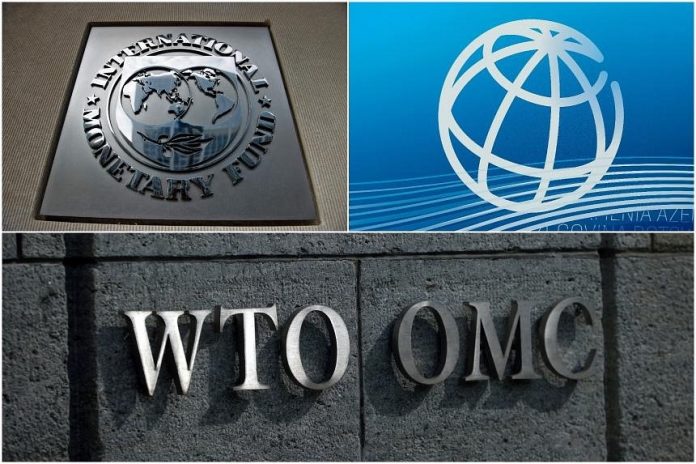
At the upcoming BRICS summit in Kazan, scheduled for October 2024, a significant focus will be on reforming international financial institutions, particularly the International Monetary Fund (IMF) and the World Trade Organization (WTO). Russian Foreign Minister Sergey Lavrov has underscored the urgency of these discussions, emphasizing that such reforms are crucial for enhancing global economic governance and ensuring it better reflects the growing influence of emerging economies.

The Global South nations are advocating for changes that align the governance structures of the IMF and WTO with contemporary economic realities. They contend that these institutions remain skewed in favor of developed nations, marginalizing the Global South. Among their key demands are adjustments to the IMF’s quota system to grant more influence to developing nations and the revitalization of the WTO’s dispute settlement mechanism, which has been paralyzed for years.

This conversation arises amidst long-standing dissatisfaction with the IMF and WTO, as their policies have frequently been seen to exacerbate economic challenges in borrowing nations. In particular, IMF loans have often been tied to conditions that force countries to implement austerity measures and remove subsidies, leading to widespread unrest in nations such as Egypt, Brazil, Morocco, and Venezuela, among others.

  1. Global South nations face IMF austerity measures: Historical background

Egypt’s 1977 Bread Riots remain one of the most significant episodes of social unrest linked to IMF-imposed austerity measures. In exchange for a loan, the Egyptian government attempted to reduce its deficit by cutting subsidies on basic food items, including bread, a staple for much of the population. This decision sparked widespread protests across major cities like Cairo, Alexandria, and Suez. Demonstrators, many of whom were already grappling with poverty, saw the subsidy cuts as a direct attack on their livelihoods. The unrest, which resulted in numerous deaths and the deployment of military forces, was severe enough that the government quickly reinstated the subsidies to restore order.

Fast-forward to more recent times, Egypt’s engagement with the IMF remains fraught with controversy. In 2016, the country secured a 12 billion USD loan, which came with conditions such as further subsidy cuts, tax reforms, and a reduction in the public sector wage bill. These measures triggered further protests, particularly when bread subsidies were again targeted in 2017. This economic liberalization strategy, while aimed at addressing Egypt’s chronic budget deficit and foreign exchanges shortages, has led to rising inflation and exacerbated inequality. With over 30% of Egyptians living below the poverty line, these austerity measures have sparked fears of renewed instability similar to the 1977’s riots.

Brazil experience with IMF programs, though different in scope, also highlighted the tensions between austerity and social welfare. In the late 1990s, Brazil turned to the IMF during a financial crisis, securing billions in loans to stabilize its currency. However, the IMF insisted on strict fiscal austerity measures, including cuts to public services and government spending. While the program helped stabilize Brazil’s economy in the long term, it was met with widespread opposition, particularly from labor unions and civil society groups. Critics argued that the austerity measures hindered growth, increased unemployment, and disproportionately affected the poor.

Morocco’s 1981 subsidy cuts, imposed under IMF pressure, led to the infamous Casablanca riots, often referred to as the Bread Riots. The Moroccan government, facing a balance-of-payment crisis, lifted subsidies on essential goods such floor, sugar, and milk, resulting in price hikes up to 76%. This triggered widespread protests, primarily in Casablanca, where thousands took to the streets to demonstrate against the rising cost of living. The unrest escalated into violence, with government forces responding harshly. Official estimates placed the death toll at 66, but opposition groups claimed it exceeded 600. The unrest underscored the deep social discontent triggered by IMF austerity measures, particularly in countries where large segments of the population rely on subsidies for basic necessities.

Similarly, in Nigeria, the IMF Structure Adjustment Program or SAP, led to widespread protests in 1989. The SAP, aimed at restructuring Nigeria’s economy through austerity measures, included the removal of subsidies and devaluation of the currency. These policies sparked protests, starting with university students and quickly spreading across the country. Demonstrators, frustrated with rising inflation, unemployment, and economic hardship, turned violent, leading to riots in major cities. The Nigerian government refused to back down from the IMF-imposed policies, despite the unrest and loss of lives. The protests forced the government to introduce some relief measures, including job creation programs and bursaries for students, though the core elements of the SAP remain intact.

Venezuela’s Caracazo riots of 1989 were a direct result of IMF-backed austerity measures that pushed the population into extreme economic hardship. After being elected on a platform of opposing neoliberal policies, President Carlos Andres Perez quickly reversed course and implemented a series of IMF-enforced economic reforms. These included sharp increases in fuel and transportation costs, liberalization of prices, and cuts to public spending. The steep hike in public transportation fares, combined with soaring prices of essential goods, ignited widespread protests in Caracas, and other cities. The government’s response was severe, deploying the military and enforcing a state of emergency, which resulted in mass casualties. While the official death toll was reported at around 300, estimates suggest that up to 3000 people may have died during the riots. The social unrest and heavy-handed repression of the Caracazo were pivotal in digitimizing Venezuela’s ruling order, ultimately contributing to the rise of Hugo Chavez, who leveraged the discontent to position himself as a champion of the poor.

Similarly, In Indonesia, Pakistan and Kenya, IMF austerity measures have triggered significant social and political turmoil. In Indonesia, during the Asian financial crisis of 1997, IMF-mandated reforms, including subsidy cuts and Bank closures, led to mass protests and riots. These conditions culminated in the fall of President Suharto’s regime. In Pakistan, successive IMF programs since the 1980s have enforced austerity measures that have exacerbated poverty and led to protests, often intensifying the country’s economic and political instability. Kenya experiences similar unrest in the 1990s due to IMF-imposed structural adjustment programs, which led to the removal of subsidies and public spending cuts, triggering widespread social unrest and long-term economic difficulties.

  1. IMF’s Structural Adjustment Programs 

The core grievances of the Global South toward the IMF revolve around its Structural Adjustment Programs (SAP), these programs widely implemented during the 1980s and 1990s, demanded austerity measures, privatization, and trade liberalization as conditions for financial assistance. Critics argue that such policies disproportionately harm developing countries by prioritizing fiscal discipline and debt repayment over essential social services and long-term economic development. Furthermore, the IMF’s approach is often seen as undermining sovereignty, as it compels borrowing nations to adopt policies that primarily serve the interests of wealthy creditor countries.

Concerns also extend to the decision-making processes within the IMF, which are perceived to favor developed nations due to the disproportionate voting power they hold. This imbalance often results indecisions that do not align with the needs of the Global South. Additionally, the IMF’s frameworks for debt restructuring are seen as inadequate, with many developing countries arguing that these mechanisms fail to address the root causes of debt crises or provide substantial relief. The IMF’s emphasis on fiscal consolidation has also been criticized for leading to cuts in essential public services such as healthcare and education, which hinder sustainable development and exacerbate inequality.

  1. WTO Trade Rules

Similar frustrations exist with the WTO. Developing countries have long argued that the WTO’s trade rules disproportionately benefit developed nations. The agreement on Trade-Related Aspects of Intellectual Property Rights, or TRIPS for instance, imposes stringent intellectual property protections that restrict access to medicines and technology in poorer countries. Moreover, the WTO’s agricultural policies tend to favor rich countries with large agribusiness sectors, disadvantaging small-scale farmers in developing nations who struggle to compete with subsidized imports.

The disparity in negotiating power is another significant issue. Many developing countries lack the technical expertise and resources to engage effectively in WTO negotiations, leaving them at a disadvantage compared to wealthier nations. This often results in trade agreements that cater to the interests of developed countries. Additionally, the growing trend toward plurilateral agreements—where a subset of WTO members negotiate specific trade rules has raised concerns about the marginalization of countries outside these deals, particularly those in the Global South. This approach is viewed as undermining the multilateral nature of the WTO and threatening the inclusivity of global trade governance. The disfunction of the WTO’s dispute settlement mechanism has also drawn widespread criticism. With its Appellate Body effectively incapacitated, smaller and developing countries are particularly disadvantaged, as they rely on the system to challenge unfair trade practices by more powerful nations.

  1. Global South proposal for reforms within the IMF and WTO

In response to these challenges, the Global South has put forward several proposals for reform. First and foremost, they advocate for a restructuring of the IMF’s loan conditions to allow for more flexibility and consideration of the specific socio-economic contexts of borrowing nations. They also call for a reallocation of voting power within the IMF to reflect the current global economic landscape and ensure that developing countries have a stronger voice in decision making. On debt restructuring, the Global South has proposed the establishment of a multilateral legal framework under the United Nations, which would allow debtor nations to negotiate collectively fairer terms. This would help level the playing field and provide more effective debt relief mechanisms. There is also a push for the IMF to align its policies with the United Nation’s Sustainable Development Goals, integrating social and environmental considerations into its economic programs.


Developing countries emphasize the need for greater local ownership of IMF-supported reforms, urging the institution to work closely with local governments to design policies that are better suited to their specific needs. For the WTO, reforms must focus on creating a more equitable system that ensures all member countries, regardless of their economic power, have an equal say in shaping global trade rules. This include addressing imbalances in trade policies, improving transparency, and restoring the functionality of the dispute settlement system. Only through such comprehensive reforms, can these institutions regain the trust of the Global South and work   toward a more inclusive global economic order.

Helio’s Partnership with Shopify and the Introduction of Blinks on X

0

In a groundbreaking move that is set to revolutionize the e-commerce landscape, Helio has partnered with Shopify, enabling merchants to leverage the power of Blinks for selling items on X, the platform formerly known as Twitter. This collaboration marks a significant milestone in the integration of social media and online retail, offering a seamless shopping experience for users and a new horizon of opportunities for merchants.

The partnership between Helio and Shopify is a response to the growing demand for more integrated and user-friendly shopping experiences on social media platforms. With the rise of digital marketplaces, consumers are looking for quicker and more convenient ways to shop, and this collaboration is poised to deliver just that.

Understanding Blinks

Blinks, powered by the Solana blockchain, are fast, secure, and efficient payment methods that facilitate transactions with the speed of light. They represent a new era of digital payments, offering a frictionless shopping experience directly from social media posts. With Blinks, the cumbersome process of navigating away from the social platform to complete a purchase is eliminated, allowing for instant gratification and a smoother user journey.

The Impact on Merchants

For merchants, the integration of Blinks on X via Shopify is a game-changer. It simplifies the sales process, reduces the barriers to purchase, and opens up a new channel for reaching potential customers. By tapping into the vast user base of X, merchants can showcase their products to a broader audience, increase engagement, and drive sales with unprecedented efficiency.

Consumers stand to gain immensely from this innovative shopping method. The ability to purchase items directly from a post on X not only saves time but also enhances the overall shopping experience. With the assurance of security provided by the Solana blockchain, shoppers can transact with confidence, knowing their personal information is protected.

The Future of Shopping on X

The introduction of Blinks on X signifies a shift towards a more interconnected and streamlined digital economy. As social media continues to evolve, the boundaries between networking and commerce are blurring, paving the way for a new paradigm where shopping is an integral part of the social experience.

The integration of Blinks on X, powered by the Solana blockchain, has opened up a new avenue for seamless transactions on social media. If you’re looking to get started with using Blinks on X, here’s a concise guide to help you begin.

Step 1: Set Up Your Wallet
To use Blinks, you’ll need a compatible Solana wallet. Download and install a wallet that supports Blinks, such as the Backpack Wallet. Follow the instructions to create and secure your wallet.

Step 2: Integrate with Shopify
If you’re a merchant, ensure your Shopify store is set up to accept Blinks. This may involve adding a new payment method in your Shopify settings and linking your Solana wallet.

Step 3: Create Blinks-Enabled Posts
Once your wallet is ready, you can create posts on X that include Blinks. These posts will allow customers to make purchases directly through X without leaving the platform.

Step 4: Engage with Customers
Engage with your audience on X and promote your Blinks-enabled posts. Make sure to highlight the ease of transaction and security provided by the Solana blockchain.

 Step 5: Monitor and Manage Transactions
Keep track of your sales and manage transactions through your Shopify dashboard. The process is designed to be user-friendly and efficient.

The partnership between Helio and Shopify, culminating in the launch of Blinks on X, is a testament to the innovative spirit of both companies. It underscores the potential of blockchain technology in transforming the e-commerce sector and highlights the growing trend of social shopping. As this initiative takes off, it will be fascinating to watch how it influences consumer behavior and reshapes the online retail landscape.

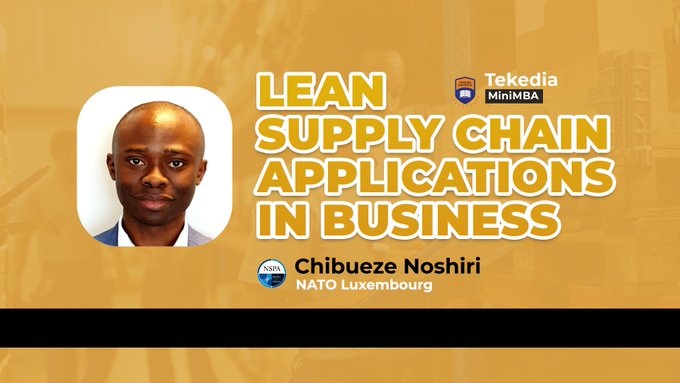
Lean Supply Chain Applications in Business – Tekedia Mini-MBA

0

The world of commerce is nothing but supply chain. If you improve your supply chain, you can deepen your competitive advantages in the market. Our faculty, Chibueze Noshiri, will explain how to design, develop and execute a winning supply chain framework. The end result is business growth. Join us.

Tue, Sept 24 | 7pm-8pm WAT | Lean Supply Chain Applications in Business – Chibueze Noshiri, NATO Luxembourg

Tekedia Mini-MBA

Who is Vitalik Buterin, the man behind Ethereum?

0

If you are not new to the crypto landscape, you have probably heard about Vitalik Buterin quite a few times. Vitalik Buterin was born in Russia but emigrated to Canada, and he is a man who has been involved in the Bitcoin space from the early beginning, writing articles for Bitcoin magazines. However, people know him the most as the man behind Ethereum because he is one of the co-creators of the platform. Ethereum is one of the most important blockchains worldwide, as it brought plenty of innovations in the crypto sphere, including non-fungible tokens, dApps, and decentralized applications.

Buterin has always been interested in the crypto world and how to buy crypto currency, and this is why he traveled around the world in 2013 to speak with Bitcoin developers, and from the conversations, he realized he could be able to design a better blockchain that overcomes the shortcomings of Bitcoin. In the end, he succeeded in putting his ideas into practice, as he was able to create Ethereum, one of the leading blockchains.

In this article, we will explore details from the past of the co-creator of Ethereum and how he succeeded in creating Ethereum.

Vitalik Buterin’s childhood

Vitalik Buterin was born on 31 January 1994 in Kolomna, Russia, where he lived until the age of six. After that, he moved to Canada with his parents, who were looking for better employment opportunities. When he was in the third grade at a Canadian primary school, little Vitalik was placed in a program for the gifted, where he discovered that he was different from his colleagues and even teachers, as he possessed particular talents and skills.

For example, he was predisposed to programming and math, had a strong interest in economics, which appeared at a very early stag, and was able to add three-digit numbers in his head very fast, twice as fast as his colleagues. He even said that people considered him quite a math genius. Then, Vitalik was enrolled in a private institution, Abelard School, in Toronto. This institution had a considerable impact on how Buterin perceived education, and here he developed more than ever his hunger for learning, where his main goal in life was to gain knowledge.

As an extracurricular activity, he enjoyed playing World of Warcraft. However, after Blizzard removed a special feature from the game, Buterin renounced playing the game and understood why centralized services were horrible.

The Student Life of Vitalik Buterin

When he grew, Vitalik became interested in finding a new direction in his life, and this is how he came across Bitcoin in 2011. Although at first, he was suspicious, because he couldn’t really understand how Bitcoin could be valuable if it had no physical backing, he changed his opinion soon after. From that moment, he became fascinated by Bitcoin and searched for more information about it. He also wanted to buy Bitcoin to enter the experimental economy officially, but he didn’t have the cash to buy the digital coin nor the computational power to mine BTC. So, he started to look for other solutions, and this is the way in which he began to write articles for a blog, which rewarded him with around 5 BTC per article.

His articles attracted Mihai Alisie, a Bitcoin enthusiast from Romania, who co-founded Vitalik to launch his Bitcoin Magazine in late 2011. After this event, he was traveling, writing, and working over 30 hours per week in the crypto sphere, so he decided to quit university.

He was very interested in Bitcoin, and this is why he traveled around the world to discover essential insights from Bitcoin developers. The conclusion of this was that Vitalik could create a more successful and sustainable blockchain that would have more application possibilities and would not be limited to a single use case, as it happened with Bitcoin at that time. Vitalik looked at the protocols that Bitcoin was using, and he knew that the protocols could be generalized with the help of a Turing-complete programming language. This programming language makes a computer solve every particular problem if it has the necessary memory and an appropriate algorithm.

He tried to tell developers about what he had discovered, but his proposal was refused, which led to the birth of Ethereum.

How Ethereum came to be

In late 2013, Buterin created a white paper with the idea he had and sent it to a few of his friends, who shared it even further. After seeing the white paper, people became interested in the concept, and approximately 30 individuals reached out to Vitalik to discuss it. At the very beginning, the idea of Ethereum was about a digital coin, but the vision changed, and in 2014, the team behind Ethereum figured out that decentralized file storage could be brought to life with just a small number of code lines.

The project was released to the public in January 2014, and the team consisted of Buterin, Mihai Alisie, Charles Hoskinson, Anthony Di Iorio, Gavin Wood and Joe Lublin. They decided to hold an initial coin offering (ICO) to be able to fund the development, and they raised more than 31,000 BTC, which was around $18 million at that time. Then, the Ethereum Foundation was established, a nonprofit organization with its base in Switzerland.

Ethereum was designed with several principles, including universality, simplicity, agility, modularity, non-censorship, and non-discrimination. Over the years, Ethereum has undergone several upgrades to improve its blockchain, and some of the most renowned ones are the Shanghai hard fork and the London and Berlin upgrades.

What will the future bring to Ethereum?

Buterin wants Ethereum to rule the metaverse universe in the future, where people can interact virtually in a vast online world. At the moment, Ethereum is an important blockchain that hosts Ether, the second largest cryptocurrency by market cap. Ethereum forever changed the crypto landscape, as it introduced concepts that were unknown until then, including smart contracts and decentralized finance.

Credit Cards Are Not Bad

0

Question: “Sir, thanks for your note on how to become financially independent in America. I want to ask you Sir, is opening a credit card bad as many in our village community have suggested?”

My Response: Having a credit card is NOT bad. What is bad is the illusion that a loan (yes, a credit from a credit card) is not a responsibility. So, instead of focusing on the credit card, focus on what the money you are getting via credit would be used for. In America, credit is part of the system, and you must NOT be fearful of running a life built on credit. But remember: after running, you count the miles, they say. If they give you a loan, that money must be repaid. That it came as a plastic card does not mean it is not US dollars!

Let me share an experience which could help you. Many years ago when I made it into America, I sought insights on how to quickly get into the American financial system, understanding that there was no village to relocate to, if one cannot pay the bills (in Nigeria, if you become homeless in the city, you can move to your village!).  I went to the foreign students office; they referred me to a woman, Maureen, in the account services. Maureen gave me a small book on building credits, and told me three things:

  • You must build credit in America.
  • To do that, since you just arrived from Nigeria, call your bank or a credit card company, and ask for a prepaid credit card.
  • Where possible, buy everything with that card, and at the end of the month, pay things off. Do not carry a balance!

I did not have enough but I did send Chase $200, and they sent me a prepaid credit card. I did as she instructed; I picked an extra student job in the farm (Instrumentation Engineer, managing sensors and electronics in the university farm which covered hectares of land. Was an IT guy in a bank in Lagos). Within 3 months, Chase returned the deposit, and increased the card to $500. Then $1000, $5000, $20000, etc. 

Over the years, I have had a near-perfect credit score: hovering around 820-845 out of possible 850. And that has saved me tons of money because every bank considers me a low-risk borrower. With a good credit, where others are charged 21%, you can get the same credit at 6%.

Finally, those telling you NOT to touch credit cards are not helping you because you must build credit if you want to unlock possibilities in America. What you should not touch is spending money with a plastic on an illusion that it is not USD.

How Can I become financially successful in America?