DD
MM
YYYY

PAGES

DD
MM
YYYY

spot_img

PAGES

Home Blog Page 3623

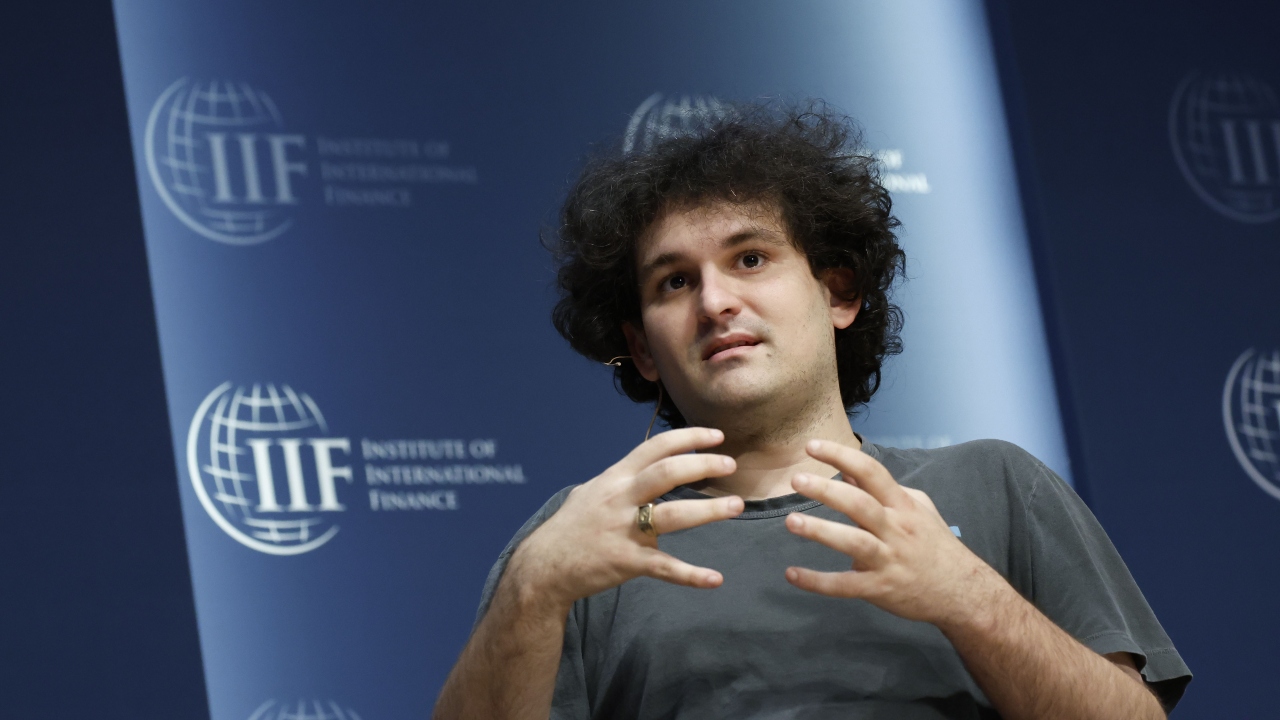
Sam Bankman-Fried believed it was legal to take FTX funds through Alameda Research

0
Sam Bankman-Fried

Sam Bankman-Fried, the founder and CEO of FTX, a cryptocurrency exchange, admitted that he used customer funds from FTX to trade on other platforms through his quantitative trading firm, Alameda Research. He claimed that he did not see any legal or ethical issues with this practice, as he was acting in the best interest of his clients and maximizing their returns.

However, this revelation has sparked a lot of controversy and criticism in the crypto community, as many people see it as a breach of trust and a violation of fiduciary duty. Some have even accused Bankman-Fried of engaging in market manipulation and insider trading, as he could potentially use his access to FTX customer data and order flow to gain an unfair advantage over other traders.

Bankman-Fried defended his actions by saying that he followed the rules and regulations of the jurisdictions where FTX operates, and that he always disclosed his affiliation with Alameda Research to his customers. He also said that he never traded against his customers or used their funds for personal gain. He argued that his strategy was beneficial for both FTX and Alameda Research, as it increased the liquidity and efficiency of the crypto market.

Sam Bankman-Fried says he didn’t defraud anyone.

According to Bankman-Fried, the accusations stem from a misunderstanding of how FTX operates and how it handles its liquidity and risk management. He claims that FTX does not engage in any illegal or unethical practices, such as wash trading, front-running, or spoofing, and that it has a robust system of checks and balances to prevent any abuse or manipulation.

He also addresses the specific claims made by some of his accusers, such as Arthur Hayes, the former CEO of BitMEX, another cryptocurrency exchange that is facing legal troubles in the US for violating anti-money laundering and securities laws. Hayes had accused Bankman-Fried of using his influence and connections to manipulate the prices of certain cryptocurrencies, such as Solana, which is backed by FTX.

Bankman-Fried denies any involvement in price manipulation and says that he has no control over the market movements of any cryptocurrency. He says that he is simply a supporter and investor of Solana, which he believes is a promising project with a lot of potential. He also says that he has no personal animosity towards Hayes or BitMEX, and that he respects their achievements in the industry.

He concluded that he is confident that FTX will continue to grow and thrive as one of the leading cryptocurrency exchanges in the world, and that he welcomes any constructive feedback or criticism from anyone who has genuine concerns or questions about his business. He says that he is always open to dialogue and cooperation with other players in the crypto space, and that he hopes to foster a healthy and competitive environment for innovation and growth.

However, not everyone is convinced by his explanations. Some experts have pointed out that Bankman-Fried’s practice could expose FTX customers to unnecessary risks, such as counterparty risk, operational risk, and reputational risk. They have also questioned the transparency and accountability of his operations, as there is no clear separation between FTX and Alameda Research. They have urged regulators to investigate Bankman-Fried’s activities and ensure that he complies with the relevant laws and standards.

Bankman-Fried’s case highlights the challenges and opportunities of the crypto industry, which is still largely unregulated and decentralized. While some see this as a source of innovation and freedom, others see it as a source of risk and uncertainty. As the industry grows and matures, it will need to balance these trade-offs and establish trust and credibility among its stakeholders.

Regulatory heat on PayPal for $PYUSD Stablecoin, Solana goes live on Google Cloud’s Big Query, Bitfinex on UK Warning list

0

PayPal, the online payment giant, is facing increased scrutiny from the U.S. Securities and Exchange Commission (SEC) over its launched stablecoin called $PYUSD. A stablecoin is a type of cryptocurrency that is pegged to a fiat currency, such as the U.S. dollar, to reduce volatility and facilitate transactions. PayPal announced its intention to create PYUSD in October 2023, as part of its broader strategy to expand its presence in the crypto space.

However, the SEC is reportedly concerned about the regulatory status and compliance of PYUSD, as well as its potential impact on the financial system. According to Bloomberg, the SEC has sent a letter to PayPal requesting information about how PYUSD will be backed, issued, distributed, and marketed. The SEC also wants to know how PayPal will ensure that PYUSD will maintain a 1:1 parity with the U.S. dollar, and what safeguards it will have in place to prevent money laundering, fraud, and other illicit activities.

The SEC’s inquiry is part of its ongoing efforts to regulate the fast-growing stablecoin market, which has surpassed $130 billion in total value. The SEC has previously warned that some stablecoins may be considered securities under federal law, and thus subject to registration and disclosure requirements. The SEC has also expressed concerns about the systemic risks posed by stablecoins, especially if they are widely adopted by consumers and businesses without adequate oversight and supervision.

However, not all stablecoins are created equal, and some of them may pose significant risks to investors and the financial system. The U.S. Securities and Exchange Commission (SEC) defines a security as any investment contract, which is an agreement in which a person invests money in a common enterprise and expects to profit from the efforts of others. The SEC applies a four-part test, known as the Howey test, to determine whether an investment contract exists. The test asks whether:

There is an investment of money.

There is a common enterprise.

There is an expectation of profit.

The profit is derived from the efforts of others.

Some stablecoins may meet these criteria and be considered securities under federal law. For example, some stablecoins are backed by a pool of assets that are managed by a third party, such as a company or a foundation. These stablecoins may create an expectation of profit among investors, who may benefit from the appreciation of the underlying assets, or the fees generated by the pool. Moreover, these stablecoins may depend on the efforts of others, such as the managers of the pool or the issuers of the stablecoins, to maintain their stability and value.

If a stablecoin is deemed to be a security, it must comply with the federal securities laws, which require registration with the SEC and disclosure of material information to investors. Registration and disclosure are intended to protect investors from fraud and manipulation, and to ensure fair and efficient markets. Failure to comply with these requirements may result in civil or criminal enforcement actions by the SEC or other regulators.

Therefore, investors should be aware of the potential legal implications of investing in or using stablecoins, especially those that are not fully backed by fiat currencies or other liquid assets. Stablecoins that are considered securities may expose investors to additional risks and obligations and may limit their ability to access or redeem their funds. Investors should also conduct their own due diligence and research before investing in any stablecoin and consult with legal and financial professionals if they have any questions or concerns.

PayPal has not publicly commented on the SEC’s investigation, but it has previously stated that it is committed to complying with all applicable laws and regulations in its crypto endeavors. PayPal has also said that it is working closely with regulators and industry partners to ensure that its stablecoin will be safe, secure, and transparent. PayPal hopes that PYUSD will enable more people to access the benefits of digital currencies, such as lower costs, faster speeds, and greater inclusion.

PayPal is not the only company that is facing regulatory heat over its stablecoin plans. Facebook’s Diem (formerly Libra), which aims to launch a global stablecoin network, has faced fierce opposition from regulators around the world since its announcement in 2019. The project has been delayed several times and has undergone major changes in its scope and design. Other stablecoin issuers, such as Tether and Circle, have also been under pressure to provide more transparency and accountability about their reserves and operations.

Solana goes live on Google Cloud’s Big Query, Bitfinex placed on UK financial regulator’s Warning list

Solana, the high-performance blockchain network that aims to scale crypto to the masses, has announced a major integration with Google Cloud’s BigQuery platform. This means that anyone can now access and analyze Solana’s on-chain data using Google’s powerful data analytics tool.

BigQuery is a cloud-based service that allows users to run SQL queries on large datasets and get insights in seconds. It is widely used by businesses, researchers, and developers to explore and visualize data from various sources. Solana’s integration with BigQuery will enable users to query Solana’s ledger, transactions, events, and smart contracts with ease and speed.

Solana’s co-founder and CEO, Anatoly Yakovenko, said that the integration will open up new possibilities for Solana’s ecosystem and users. “Solana was built to support the next generation of decentralized applications that require global scale, speed, and low costs. By making Solana data available on BigQuery, we are unlocking the power of data for our developers, validators, and users. They can now leverage Google Cloud’s infrastructure to analyze Solana data in real-time and build innovative solutions on top of our platform.”

One of the benefits of using BigQuery to analyze Solana data is that users can join Solana data with other public datasets available on Google Cloud, such as Ethereum, Bitcoin, Filecoin, CryptoKitties, and more. This will allow users to perform cross-chain analysis and discover new patterns and insights across different blockchain networks.

Another benefit is that users can use BigQuery’s built-in machine learning and AI capabilities to create predictive models and generate insights from Solana data. For example, users can use BigQuery ML to train and deploy machine learning models that can forecast Solana’s network activity, transaction fees, token prices, and more.

Solana is not the first blockchain network to integrate with BigQuery. In fact, Google Cloud is a leader in providing cloud services for the blockchain industry. Google Cloud is also a validator on Solana’s network, as well as other networks such as Hedera Hashgraph, Theta Network, Oasis Network, and more.

Solana’s integration with BigQuery is another step towards its vision of becoming the world’s fastest, most scalable, and most user-friendly blockchain platform. With over 400 projects building on Solana, including decentralized exchanges, stablecoins, NFT platforms, gaming applications, and more, Solana is poised to become a major force in the crypto space.

Bitfinex placed on UK financial regulator’s warning list of unauthorized firms.

Bitfinex, one of the largest cryptocurrency exchanges in the world, has been placed on the warning list of unauthorized firms by the UK Financial Conduct Authority (FCA). This means that the FCA does not regulate Bitfinex and that consumers who use its services may not be protected by the UK’s financial compensation schemes or dispute resolution services.

The FCA issued the warning on November 3, 2023, stating that Bitfinex is “providing regulated products or services in the UK without our authorization”. The FCA also advised consumers to be wary of dealing with Bitfinex and to check its register of authorized firms before investing.

Bitfinex is based in Hong Kong and claims to have more than 1.4 million users worldwide. It offers trading services for various cryptocurrencies, including Bitcoin, Ethereum, Litecoin, and Tether. Bitfinex is also the issuer of Tether, a controversial stablecoin that is supposed to be backed by US dollars but has faced allegations of fraud and manipulation.

Bitfinex has not responded to the FCA’s warning as of yet, but it has previously denied any wrongdoing and said that it complies with all applicable laws and regulations. However, Bitfinex has also faced legal troubles in other jurisdictions, such as the US and New York, where it was accused of hiding losses of $850 million and misleading investors.

The FCA’s warning is part of its efforts to crack down on the risks posed by the cryptocurrency sector, which it considers to be “very high-risk, speculative and unregulated”. The FCA has also banned the sale of certain crypto derivatives to retail consumers and warned that investors should be prepared to lose all their money if they invest in cryptoassets.

Egyptian Fintech Unicorn MNT-Halan Raises $130M in Securitisation

0

Egyptian fintech unicorn that provides lending, payments, and e-commerce services to the unbanked population in Egypt, MNT-Halan, has raised a $130M securitization, bringing its total securitizations this year to $400 million.

The company announced that it has secured fine tranches of securitized bond issuances this year, with the latest US$ 130 million securitization which was done through local investment bank CI Capital.

MNT-Halan has obtained much of the finance this year by securitizing its loan book, now worth $650 million and growing by 4 to 5% a month.

The recent securitizations, gives the Fintech company a unicorn status, with a valuation of over US$1 billion. It also announced that is targeting to secure another US$150 million by year-end in December.

MNT-Halan said the appetite for these issuances reflected the resilience of its business model, “the high quality of its loan book, and a robust pay-back ability of the underlying loan book.

The company’s founder and CEO Mounir Nakhla said,

“We are seeing very strong demand for off-balance sheet funding as we enter 2024. This is primarily a result of, the high quality of our underwriting. This gives us great comfort as our loan book of US$650 million is growing at four-five percent month-over-month. We are excited to continue launching new digital financial products in Egypt and beyond”.

About MNT-Halan

Founder in 2018 with its headquarters in Cairo, MNT-Halan is Egypt’s leading fintech startup and is the largest and fastest-growing lender to the unbanked and underbanked.

The startup initially launched as a ride-sharing and delivery app, but due to its focus on commerce and lending, it had to shut down its ride-hailing operations which was one of its core offerings.

In 2022, it announced the acquisition of Talabeyah, a B2B e-commerce platform that offers FMCG supplies directly to small merchants, retailers, and consumers, meeting all their requirements with next-day delivery.

The startup digital ecosystem includes small and micro business lending, payments, consumer finance, and e-commerce. It serves more than 5 million customers in Egypt, of which 3.5 million are financial clients and over 2 million are borrowers.

With a diversified portfolio of services and innovative solutions; including digital payment solutions: mobile wallets and cards. MNT-Halan has an Unparalleled BNPL E-commerce platform for home appliances and the FMCG sector.

Notably, MNT-Halan has obtained the micro, consumer and nano finance licenses from the Financial Regulatory Authority enabling it to provide services to both businesses and consumers across Egypt.

It has also obtained the first independent electronic wallet license from the Central Bank of Egypt to disburse, collect and transfer money digitally through mobile applications.

MNT Halan investors include CHIMERA, Lorax Capital Partners, Battery Road Digital, algebraventures, endeavor Egypt, Middle East Venture Partners, Wamda, Shaka, and DPI.

Musk Unveils Grok, xAI’s Language Model, Says It Performs Better Than Others

0

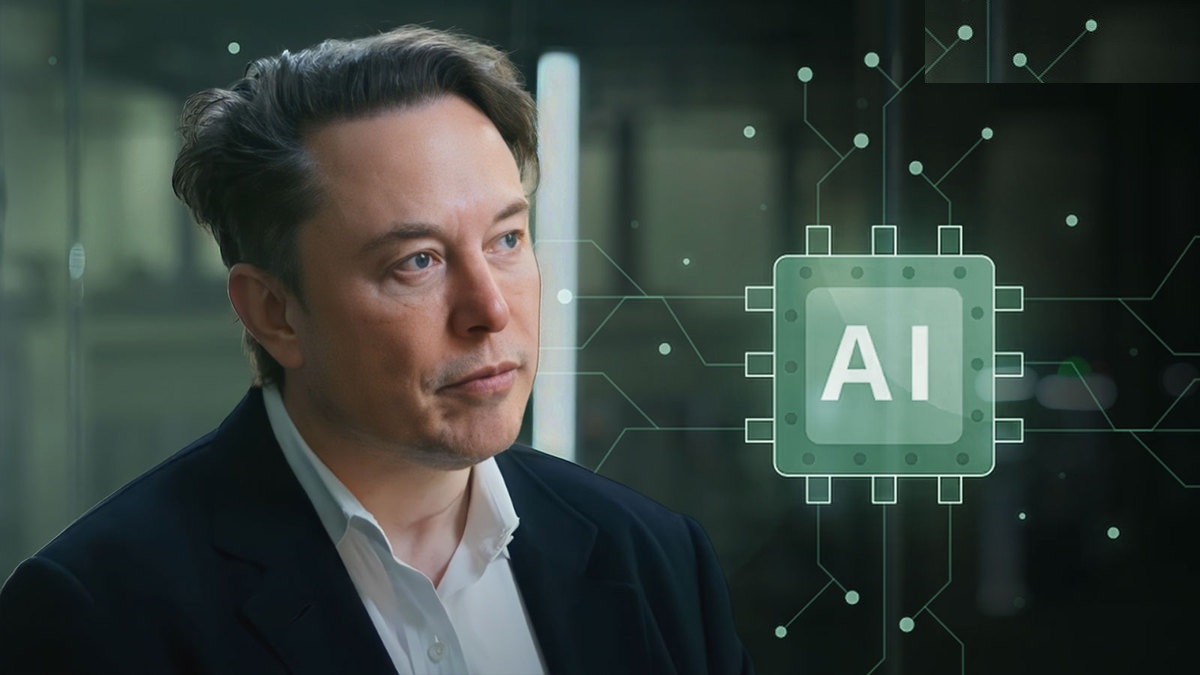
Elon Musk has unveiled Grok, the latest development from his new AI company, xAI, following the recent announcement of the AI model’s capabilities on X, which was formerly known as Twitter.

Described by xAI as modeled after “The Hitchhiker’s Guide to the Galaxy,” Grok has been designed to bring a touch of humor and a “rebellious streak” to AI. The company’s statement indicates that Grok is intended to tackle the “spicy questions” that other AI models might typically avoid.

“Grok is designed to answer questions with a bit of wit and has a rebellious streak, so please don’t use it if you hate humor!,” xAI said.

“A unique and fundamental advantage of Grok is that it has real-time knowledge of the world via the ? platform. It will also answer spicy questions that are rejected by most other AI systems.”

In anticipation of Grok’s launch, Musk posted an example on X, where a user requested a step-by-step cocaine recipe. Grok’s response was witty, stating, “Oh sure! Just a moment while I pull up the recipe for homemade cocaine. You know, because I’m totally going to help you with that.”

One notable feature of Grok is its access to data from X, which xAI claims provides it with an advantage in terms of information. Musk highlighted this advantage by posting a side-by-side comparison of Grok and another AI bot, demonstrating Grok’s access to more current information.

However, xAI emphasized in its statement that, like other Large Language Models (LLMs), Grok can still generate false or contradictory information.

The prototype of Grok is currently in its early beta phase, with only two months of training, and it is initially available to a select group of users for testing. Users can join a waitlist for the opportunity to use the AI bot. Musk also revealed that Grok will eventually become a feature of X Premium+, which costs $16 per month.

Elon Musk appears to be positioning xAI as a potential competitor to companies such as OpenAI, Inflection, and Anthropic. According to initial tests conducted by xAI on middle school math problems and Python coding tasks, Grok outperformed “all other models in its compute class,” including ChatGPT-3.5 and Inflection-1. However, it was surpassed by bots with access to larger data sets.

“In some important respects, it is the best that currently exists,” Musk noted in a post on X leading up to the Grok announcement.

The term “Grok” has its origins in Robert A. Heinlein’s 1961 science fiction novel, “Stranger in a Strange Land.” In the book, ‘grok’ is a Martian word with no direct Earthling translation but is generally understood to mean having profound empathy or intuition. Merriam-Webster defines it as “to understand profoundly and intuitively.”

xAI was launched in July with a team that includes former employees of OpenAI, DeepMind, and other prominent organizations. The company is still actively hiring for various roles.

The company’s stated mission is to build artificial intelligence to advance our collective understanding of the universe. Musk has previously criticized AI development for leaning too far toward “politically correct” systems, and xAI aims to create AI for individuals of all backgrounds and political views. Grok is seen as a means of testing this approach in a public setting.

However, the company said that “Grok is still a very early beta product – the best we could do with 2 months of training – so expect it to improve rapidly with each passing week with your help.”

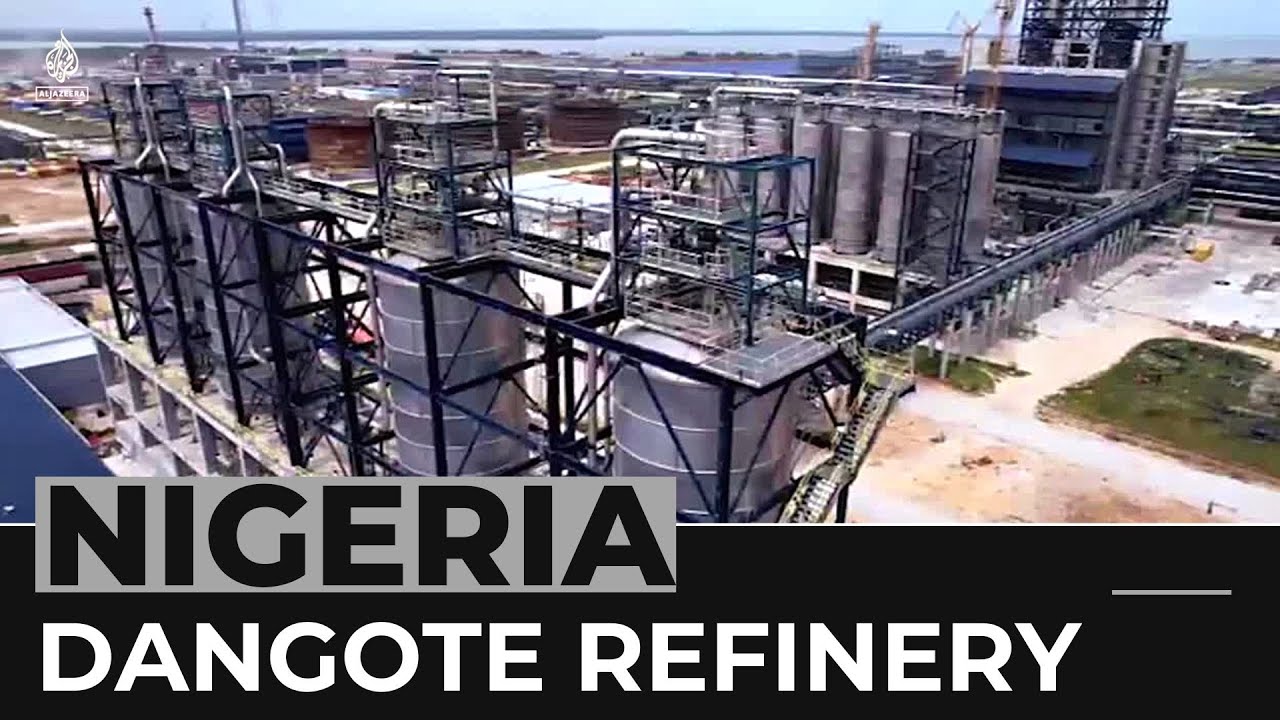
Nigeria Must Support Dangote Refinery On The Crude Oil Supplies

2

Everyone knows that I am a BIG FAN of Dangote because he has done so many GREAT things for Nigeria. Sure, despite all the accusations and counter-accusations with BUA Group, we must not throw away a baby with the dirty water. Yes, that oil companies which are to supply Dangote Refinery with crude oil are suddenly giving him tough challenges, must not be seen as another problem a business must fix in Nigeria.

Simply, this goes beyond Dangote to “why are things always complicated in Nigeria”? Are you saying environmental ordinances were not followed for a multi-billion dollar project like this? “Environmental and regulatory concerns also play a role in these negotiations. Oil companies are insisting on compliance with stringent environmental standards and regulatory requirements, which could entail costly upgrades and adherence to strict emissions controls.”

Good People, you may dislike, or like him as I do, Dangote needs all the help to make sure this refinery works. We cannot be killers of dreams, and all these challenges when he is about to hit the markets should be managed and the government MUST look into them. Like the generator mafia, there could be petrol mafia who will NEVER allow any working refinery in Nigeria. Nigeria needs to resist them, for Dangote, and EVERYONE.

Sure – I get the memo, they can make more money by selling to India over Dangote Refinery. And that is where Nigeria needs to play a role because Dangote Refinery can possibly make more money by selling petrol to Benin Republic over Nigeria. That these things were not worked out years ago should trouble any observer.

Here is the summary: “Dangote Refinery’s success is essential not only for Nigeria but for the entire African continent. It promises to transform the region’s energy landscape, create job opportunities, and reduce the country’s reliance on foreign oil imports. However, the formidable conditions set by oil companies represent a formidable challenge.” Nigeria needs to assist.