DD
MM
YYYY

PAGES

DD
MM
YYYY

spot_img

PAGES

Home Blog Page 4073

Kudos, Knocks in the Naira Floating Digital Debate

0
Nigeria Naira US Dollar

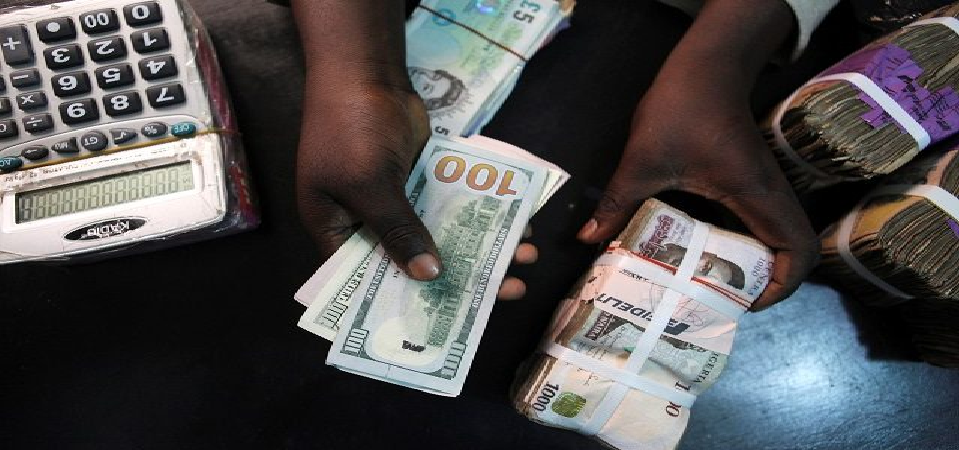
Nigerians will remember President Muhammadu Buhari’s Naira redesign, which caused physical and emotional pain to people of all ages and socioeconomic backgrounds, for months. During the policy’s implementation, President Bola Ahmed Tinubu was the presidential candidate of the All Progressives Congress, and he promised that if elected, he would reverse the policy.

However, in an effort to address fundamental issues obscuring the Naira’s strength against foreign currencies, President Tinubu announced Naira floating as a new policy. Since the policy’s inception, Nigerians, particularly experts and public affairs analysts, have been identifying potential positive and negative consequences of the policy through various lenses.

In this piece, after monitoring people’s views on Twitter for more than five days, our analyst reports that the discussion about the policy so far has been embedded with various kudos and knocks, with the majority of the knocks primarily connected with the trust deficit in governance and political leaders.

There is a discussion about the potential economic impact of floating the Naira. Some individuals question whether floating the currency in Nigeria’s current economic situation will increase the value of the dollar in the supply side. Others mention the expectation that floating the Naira could improve trade and bring various benefits to Nigeria’s economy.

Some individuals express skepticism and criticize the government’s policies, suggesting that previous announcements or actions were deemed fake news. They mention instances such as the Nigeria Air project, subsidy removal, and the initial dismissal of the idea of floating the Naira.

There is a mention of a change in terminology, where individuals argue that the government may have renamed certain policies to present them in a more favourable light. Specifically, the tweets suggest that the term “floating” was used instead of “devaluation” to describe the change in the Naira’s exchange rate.

Some individuals draw comparisons to previous instances where policies or proposals were initially dismissed as fake news before being implemented. Examples mentioned include the Muslim-Muslim ticket. The tweets imply that dismissing something as fake news does not necessarily mean it won’t be implemented eventually.

Government Duties to Citizens

Citizens express frustration and skepticism regarding the implementation of various government policies. They expect the government to fulfill its duty of effectively implementing policies that benefit the citizens. Some tweets highlight the importance of transparency and truthfulness in government actions. Individuals criticize the government for initially dismissing certain policies as fake news and later implementing them. This suggests that citizens expect the government to be honest and transparent about its intentions and decisions.

Civic Responsibilities of Citizens to Government

The tweets suggest that citizens have a responsibility to hold the government accountable for its actions. They question the credibility of government announcements, policies, and changes in terminologies, indicating a need for citizens to be vigilant and critical in evaluating the government’s actions.

Our analyst notes that by sharing their opinions on social media, citizens demonstrate their engagement with political matters and exercise their right to free expression. This highlights the civic responsibility of citizens to actively participate in public discourse and contribute to the shaping of policies and decisions.

What Michel Foucault Says About President Tinubu’s Service Chiefs’ Appointment

0

From the post-independence era to the military regimes, which lasted for 33 years, and to the return of democracy in 1999, Nigerian leaders have had the course of appointing and suspending service chiefs. Archival materials show that forming and consolidating security architecture through the appointment of Chiefs of Defense Staff, Army Staff, Naval Staff, Air Staff, Inspector-General of Police, and Chief of Defense Intelligence is a matter of power and knowledge relationships between the presidents and the chiefs in both administrations.

However, as discussions continue about the appointment of the new service chiefs by President Bola Ahmed Tinubu, our analyst notes that Michel Foucault’s views on security and discipline can offer valuable insights into the appointment and its implications. While Foucault’s work primarily focused on broader societal structures and institutions, we can draw parallels to understand the power dynamics and disciplinary mechanisms at play in such appointments.

Power and Security

Foucault’s analysis highlights the close relationship between power and security. He argues that security measures are often used as a justification for the exercise of power and control. In the context of President Tinubu’s appointment of service chiefs, it is essential to consider how the concept of security is framed and employed to consolidate power and maintain control. Critics need to know that the appointment of service chiefs could be influenced by political considerations, maintaining loyalty, and protecting the interests of those in power. Foucault’s perspective reminds us to question the motives behind security-related decisions and examine whether they serve the broader interests of society or merely reinforce existing power structures.

Disciplinary Mechanisms

Foucault’s concept of discipline sheds light on the mechanisms used to control individuals within institutions. These mechanisms, such as surveillance, normalization, and hierarchical structures, ensure obedience and conformity to established norms and power dynamics. When applied to the appointment of service chiefs, Foucault’s analysis encourages us to scrutinize the selection process, potential biases, and the extent to which it fosters critical thinking, accountability, and diverse perspectives. Are the appointments driven by a desire for true expertise and meritocracy, or do they reflect the perpetuation of existing power relations and disciplinary mechanisms within the military and security apparatus?

Resistance and Subversion

Foucault also emphasises the potential for resistance and subversion within systems of power and discipline. He argues that power is not solely a repressive force but can also be subverted and transformed through individual and collective actions. In the context of President Tinubu’s appointment of service chiefs, it is crucial to consider whether alternative voices and perspectives were taken into account. Did the appointment process incorporate mechanisms for checks and balances, ensuring that dissenting viewpoints and expertise were considered? Foucault’s insights remind us to seek transparency, inclusivity, and a diversity of voices in decision-making processes to prevent the consolidation of power and to promote robust security strategies.

[Updated with Westpac Response] The Westpac’s Withdrawal Limit

3

Westpac Responds with this comment: “Please note the information and comments which have been attributed to Westpac are inaccurate. The comments have not come from official spokespeople. The $1,000 default daily cash withdrawal limit, for example at ATMs, is not new. What is actually changing is that customers can now set a different cash withdrawal limit on their Westpac Debit Mastercard, either above or below $1,000 (up to a maximum amount of $2,000).”


If you are a Westpac customer, you may have noticed some changes in how you can use your debit card. Starting from June 2023, Westpac has introduced a default cash withdrawal limit of $1,000 AUD per day, which is about $667 USD. This means that you can only take out this amount of cash from ATMs or branches using your debit card.

According to Westpac, this change is part of their efforts to provide better security and convenience for their customers. They claim that reducing the cash withdrawal limit will help protect customers from fraud and theft, as well as encourage them to use more digital payment options.

Westpac also says that this change reflects the declining demand for cash in Australia, as more people prefer to pay with cards or mobile devices. According to a report by the Reserve Bank of Australia, the share of cash transactions in Australia dropped from 27% in 2019 to 13% in 2022. The report also found that 72% of Australians were “low cash users” in 2022, using cash for 20% or less of their in-person transactions.

If you are a Westpac customer who rarely uses cash, this change may not affect you much. You can still use your debit card to make online payments, tap-and-go transactions, or insert transactions up to $8,000 AUD per day, which is about $5,343 USD.

However, if you are a Westpac customer who relies on cash for your daily expenses, this change may cause some inconvenience. You may have to plan ahead and withdraw cash in advance if you need more than $1,000 AUD per day. You may also have to pay fees if you use other banks’ ATMs to withdraw cash.

If you are unhappy with this change and want to increase your cash withdrawal limit, you can contact Westpac and request a higher limit. However, Westpac says that they will only approve requests on a case-by-case basis and for exceptional circumstances.

Alternatively, you can switch to another bank that offers higher cash withdrawal limits or more flexible debit card options. For example, some banks allow you to set your own cash withdrawal limit or offer fee-free ATM access across Australia.

Westpac’s decision to restrict customers to the $667 withdrawal limit is part of a broader trend of reducing cash usage in Australia. While this may benefit some customers who value security and convenience, it may also disadvantage some customers who depend on cash for their daily needs. If you are a Westpac customer, you should be aware of this change and how it affects your spending habits.

Nigeria Ranks Among Top 10 Countries on Global Crypto Adoption

0

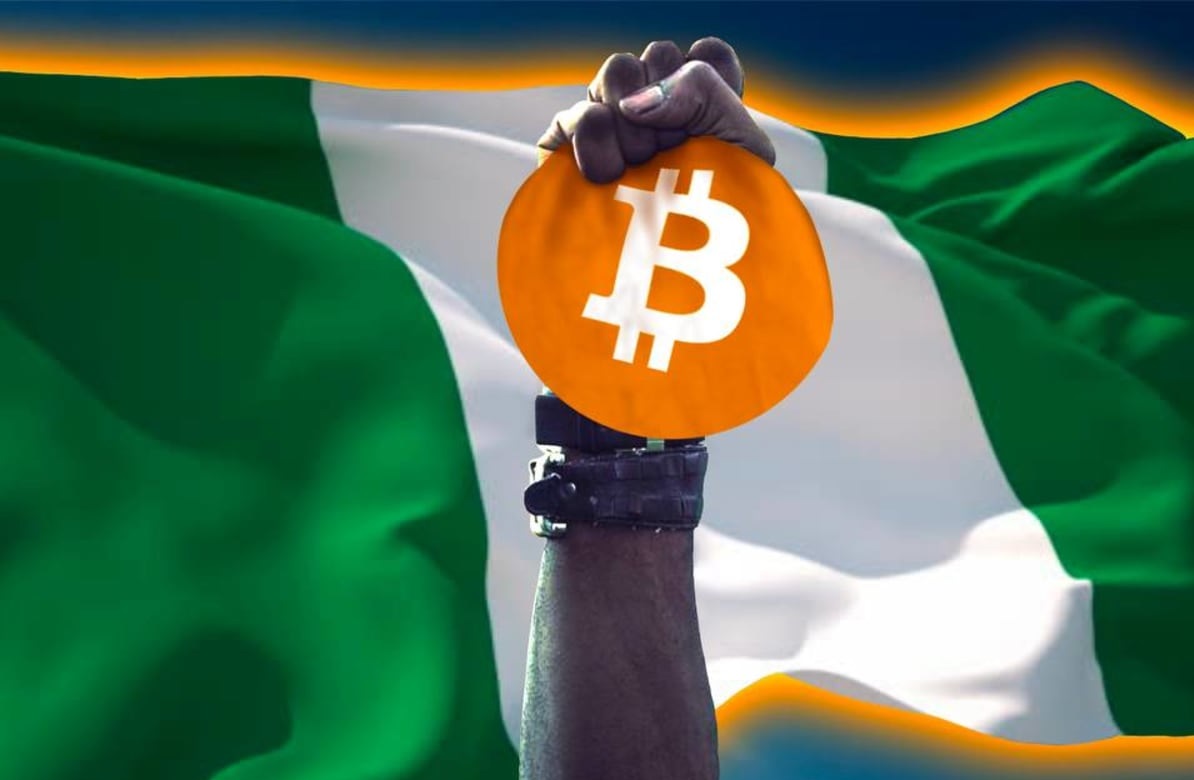
A PwC-EMURGO Africa report 2023, revealed that Nigeria ranked among the top 10 countries in the world with the highest rate of crypto adoption, with 47 percent of the population owning or using digital currencies.

The report provided an expansive and insightful analysis of the emergent influence of blockchain and Web 3.0 technologies within Africa and the Middle East and North Africa, MENA, region.

Emurgo Africa and PwC, one of the leading global accounting firms, proudly unveil the highly anticipated State of Web3.0 Report. This groundbreaking publication showcases the exponential growth of the global blockchain industry. Investors are keen to fund blockchain startups and companies, having injected approximately USD 88.5 million in Kenya, Nigeria and South Africa in 2021. in Kenya, Nigeria and South Africa in 2021.

Web 3.0 technologies are experiencing exponential growth and expansion in Africa, with the potential to bring transformative change to various industries such as trade and industry, financial services and lending, supply chain management and logistics and healthcare provision and accessibility.

EMURGO stated that Nigeria’s position emphasized its role in propelling financial inclusion and nurturing innovation in the digital currency sector in West Africa.

In a statement disclosed in the report, the CEO of EMURGO Africa, Ahmed M. Amer, was quoted stating how Web 3.0 technologies are already redefining the African digital landscapes.

In his words, “Web 3.0 technologies are offering innovative solutions to long-standing challenges, empowering individuals and communities across continents. This report presents an in-depth exploration of the potential of these technologies to drive positive change.

“It highlights the importance of fostering a collaborative environment between stakeholders, policymakers, and regulators to unlock the full potential of Web3.0”.

Nigeria has continued to have a growing adoption rate of cryptocurrency, despite the federal government warnings regarding the use of cryptocurrencies in the country.

This saw the Central Bank of Nigeria (CBN) issue a circular in 2017, warning banks and other financial institutions against dealing with virtual currencies.

The circular explicitly banned banks and other financial institutions from using, holding, trading, or transacting virtual currencies in any capacity. For existing customers that are virtual currency exchanges, guidance was provided on how to approach such entities, including ensuring that effective AML/CTF controls are in place.

Several factors such as the devaluation of local currency, economic instability, and remittances, have spurred a growing demand for the adoption of cryptocurrencies as users seek to use it as a hedge against inflation, amongst others.

However, in 2021, Nigeria’s Securities and Exchange Commission SEC announced the launch of a regulatory framework for digital assets and the creation of a Digital Assets and Blockchain Office.

This indicated a shift towards a more favorable regulation for the crypto market in Nigeria. In addition, in 2022 the SEC released a set of new regulations guiding the issuance, exchange, and custody of digital assets in Nigeria.

Notably, Nigeria has also recorded a growing number of blockchain startups and organizations. The blockchain landscape in the country is evolving with more businesses and organizations, both in the private and public sphere, exploring the technology.

This has spurred the Central Bank of Nigeria (CBN), to draft the ‘Nigeria Payments Systems Vision 2025’, as it seeks to engage relevant stakeholders to utilize blockchain technology for the review and implementation of remittance solutions.

Also, Nigeria has seen a growing adoption of Non-fungible tokens (NFT), which are being used in various fields such as music, art, fashion, and real estate. Several trends pertaining to NFTs have emerged in the country, one such trend is the use of NFTs to sell digital artworks.

On the African continent, Blockchain and Crypto Assets are increasing in popularity across the continent. The adoption of blockchain technology is slow but progressive, while the cryptocurrency market is growing significantly.

According to Chainalysis, Africa’s cryptocurrency market grew by over 1200% between 2020 and 2021, with Kenya, Nigeria, South Africa, and Tanzania ranking in the global top 20 for crypto adoption.

The adoption of Blockchain by African countries is reported to be the fastest in the world. Overall, Web 3.0 technologies are demonstrating a rising uptake in the African continent.

Implications of Russia’s Civil Uncertainty on Stocks and Crypto

0

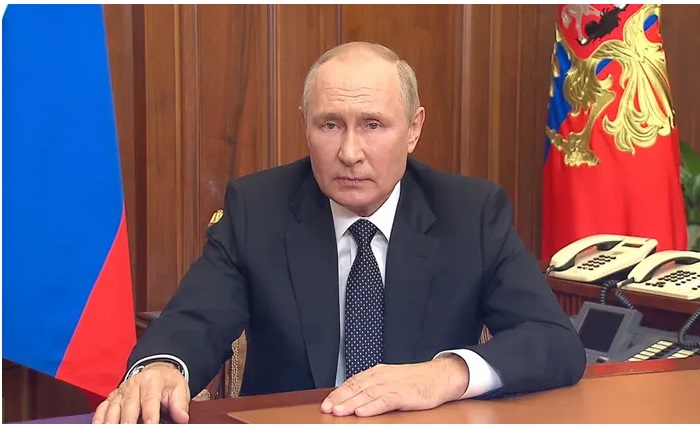
The recent events in Russia have shaken the world and raised many questions about the future of the country and its economy. The attempted coup by Yevgeny Prigozhin, the leader of the Wagner mercenary group, against President Vladimir Putin and his military leadership has plunged Russia into a state of uncertainty and instability.

Prigozhin, who accused the Russian army of attacking his forces in Ukraine, vowed to march on Moscow with his 50,000 fighters and seize power. He later backed down after talks with Belarusian President Alexander Lukashenko, but his actions have exposed the fragility of Putin’s regime and the discontent among some of his allies.

Russia is one of the largest economies in the world, with a GDP of $1.7 trillion in 2022. It is also a major exporter of oil and gas, which accounts for about 60% of its exports and 40% of its budget revenues. Therefore, any political turmoil in Russia could have significant impacts on the global energy markets and the stock prices of energy companies.

For example, after Prigozhin announced his rebellion on Friday, June 23, oil prices surged by more than 4%, reaching their highest level since October 2021. This was due to fears that Prigozhin’s forces could disrupt Russia’s oil production or exports, or that Putin could retaliate by cutting off supplies to Europe or other countries. Oil companies such as ExxonMobil, Chevron, BP, Shell, and Total saw their shares rise as well, as they benefit from higher oil prices.

However, not all stocks reacted positively to Russia’s civil uncertainty. Some sectors that depend on trade or investment with Russia could suffer from reduced demand or increased risks. For example, European automakers such as Volkswagen, BMW, Renault, and Peugeot saw their shares drop on Friday, as Russia is one of their largest markets. Similarly, technology companies such as Apple, Microsoft, Google, and Facebook could face challenges in accessing or operating in Russia, as the country has imposed strict regulations and restrictions on foreign tech firms in recent years.

Russia is also a major player in the crypto space, with an estimated 10% of global crypto users and miners based in the country. According to a report by Chainalysis, Russia ranked third in terms of crypto adoption in 2021, behind Vietnam and India. The country has a large and active community of crypto enthusiasts, developers, traders, and investors, who use crypto for various purposes such as remittances, savings, payments, speculation, or evasion of sanctions.

Therefore, any political instability in Russia could have significant impacts on the crypto market as well. On one hand, some crypto users could see crypto as a safe haven or a hedge against inflation or currency devaluation in times of crisis. This could increase the demand and price of crypto assets such as Bitcoin, Ethereum, or stablecoins. On the other hand, some crypto users could face increased risks or challenges in accessing or using crypto services in Russia. This could reduce the supply or liquidity of crypto assets or cause disruptions or delays in transactions or transfers.

For example, after Prigozhin announced his rebellion on Friday, Bitcoin prices spiked by more than 5%, reaching over $31,800 for the first time since May 2023. This was due to increased demand from Russian crypto users who sought to protect their wealth or move their funds out of the country amid uncertainty. However, some Russian crypto exchanges such as Binance and EXMO reported technical issues or delays in processing withdrawals or deposits on Friday and Saturday, as they faced increased traffic or pressure from regulators or banks.

Russia’s civil uncertainty has significant implications for the global markets, especially stocks and crypto. The situation is still evolving and unpredictable, so investors and traders should be cautious and vigilant about any changes or developments that could affect their portfolios or strategies. As always, it is important to do your own research and due diligence before making any financial decisions.