DD
MM
YYYY

PAGES

DD
MM
YYYY

spot_img

PAGES

Home Blog Page 4103

Blackrock is Adding More Bitcoin to its Balance Sheet

0

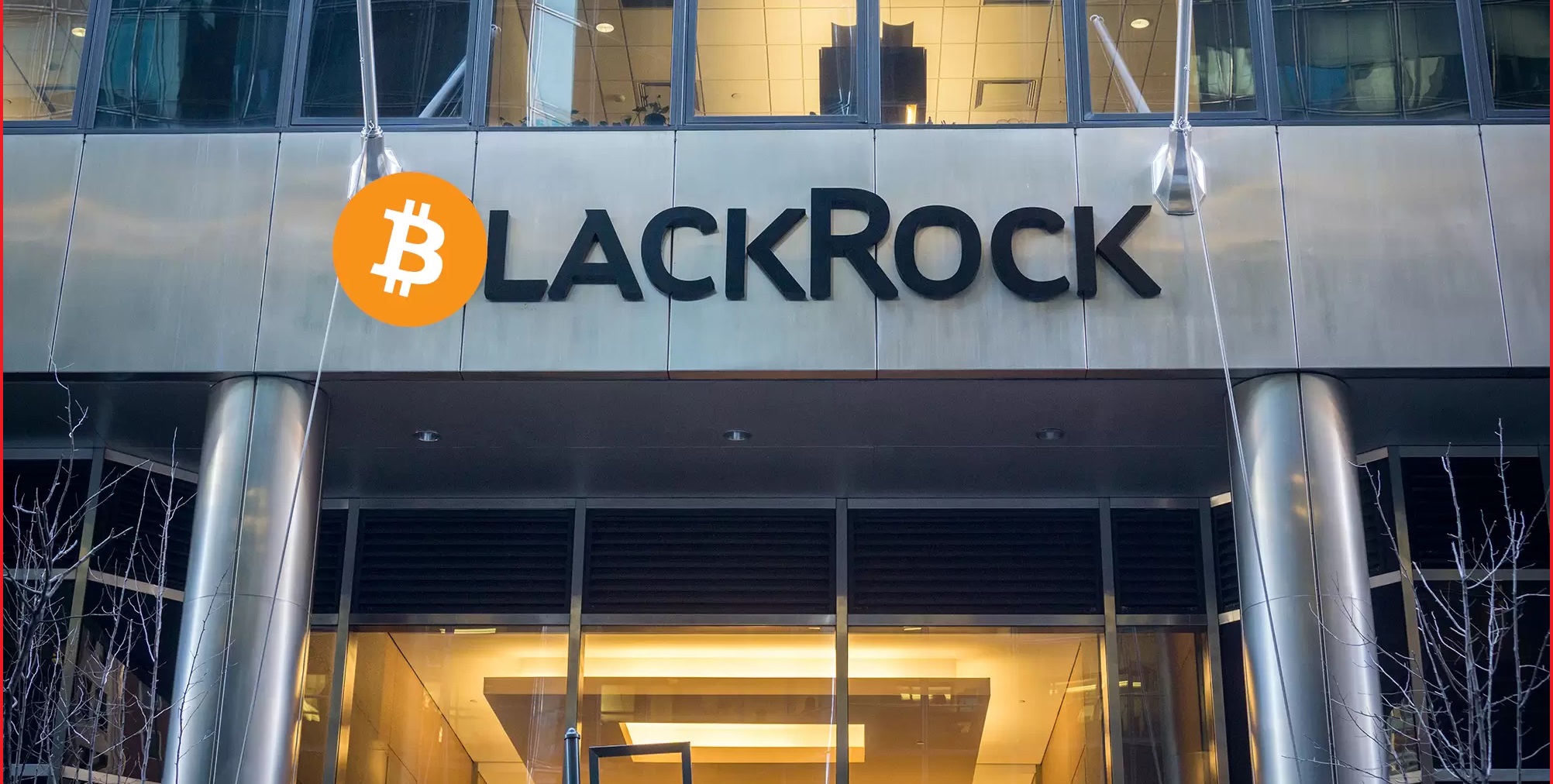
BlackRock, the world’s largest asset manager, has announced that it is increasing its exposure to bitcoin by adding more of the cryptocurrency to its balance sheet. The move comes as bitcoin continues to soar in value, reaching new all-time highs in 2023.

According to a recent filing with the Securities and Exchange Commission (SEC), BlackRock has purchased an additional 1,000 bitcoins, worth about $100 million at current prices, for its Global Allocation Fund. The fund, which has over $100 billion in assets under management, now holds about 2,000 bitcoins, or 0.002% of its portfolio.

BlackRock is not the only institutional investor that is betting on bitcoin. In 2021, several prominent companies, such as Tesla, MicroStrategy, Square, and PayPal, announced that they had invested in or accepted bitcoin as a form of payment. These moves boosted the credibility and adoption of bitcoin as a store of value and a medium of exchange.

Bitcoin is a decentralized digital currency that operates on a peer-to-peer network without any intermediaries or central authority. It was created in 2009 by an anonymous person or group using the pseudonym Satoshi Nakamoto. Bitcoin uses cryptography to secure transactions and create new units of currency. It has a limited supply of 21 million coins, which are expected to be mined by 2140.

Bitcoin has several advantages over traditional fiat currencies, such as low transaction fees, global accessibility, transparency, and resistance to inflation and censorship. However, it also faces several challenges, such as volatility, scalability, security, and regulatory uncertainty.

BlackRock’s decision to add more bitcoin to its balance sheet reflects its confidence in the long-term potential of the cryptocurrency. It also signals that more institutional investors are recognizing the value proposition of bitcoin and are willing to diversify their portfolios with this emerging asset class. This decision is a significant endorsement of bitcoin’s viability as an alternative asset class that can offer diversification and hedging benefits to investors.

Bitcoin has been gaining momentum in the past year, reaching new highs and attracting more institutional and retail interest. The cryptocurrency has also shown resilience in the face of regulatory and technical challenges, such as the crackdown in China and the network upgrade known as Taproot. Bitcoin’s supporters argue that it is a scarce and decentralized form of money that can serve as a hedge against inflation and currency devaluation.

BlackRock’s decision to add more bitcoin to its balance sheet reflects its confidence in the long-term potential of the cryptocurrency. By allocating a portion of its assets to bitcoin futures, BlackRock is signaling that it believes that bitcoin can provide attractive returns and risk-adjusted performance for its clients. BlackRock is also taking advantage of the growing liquidity and maturity of the bitcoin futures market, which offers lower costs and higher efficiency than buying and storing bitcoin directly.

BlackRock’s move is likely to have a positive impact on the broader adoption and acceptance of bitcoin as a legitimate asset class. As the leader in the asset management industry, BlackRock’s endorsement of bitcoin can influence other institutional investors to follow suit and allocate some of their funds to the cryptocurrency. This can increase the demand and value of bitcoin, as well as its stability and security. Moreover, BlackRock’s involvement in the bitcoin futures market can contribute to the development and innovation of the cryptocurrency ecosystem, fostering more transparency and regulation.

BlackRock’s decision to add more bitcoin to its balance sheet is a bold and forward-looking step that demonstrates its vision and leadership in the asset management industry. By embracing bitcoin as a viable alternative asset, BlackRock is not only enhancing its own portfolio, but also paving the way for more widespread adoption and recognition of the cryptocurrency among investors and regulators.

BlackRock has filed for an exchange-traded fund that tracks the price of Bitcoin, giving investors exposure to the cryptocurrency without having to directly buy it. In a Securities and Exchange Commission filing, the world’s largest asset manager said it would use Coinbase as its custodian. U.S. regulators have not yet approved any Bitcoin ETFs; proposals from Fidelity and other firms have been rejected on the basis that cryptocurrencies are vulnerable to fraud and market manipulation. The asset class is under increased regulatory scrutiny, with the SEC suing Coinbase and Binance earlier this month. (LinkedIn News)
How To Rebuild A Nation Via A Platform Strategy

1

Construction workers build platforms. Those platforms can serve bricklayers, carpenters, painters and anyone working in the project. In internet business,  great companies engineer products with duality: products which are also platforms. Facebook is a product and also a platform. The most valued top 10 tech companies in the world have products with platform duality. With platforms, you have CUSTOMERS; products deliver consumers.

Interestingly, we can use the same construct we use in building companies to build and rebuild a nation. Platforms for economic growth include constant electricity, security, decent road networks, supply chain systems and those basic amenities you expect from governments. When you build them, you turn your citizens from Consumers to Producers because they will have platforms to operate on. If you do not, they remain mere consumers, feeding on imports because they have zero platform to tinker or do things.

The greatness of America comes from its platforms which include interstate roads, airports, good universities, etc. Upon those platforms, great companies are then built. Remove those platforms, everything fades.

Nigeria needs to build economic platforms to bring shared prosperity to its citizens. Nigeria does not need to build companies and join in free enterprises; it simply needs to provide platforms and We The People will then build and unlock opportunities on top of those platforms.

Because of Facebook platform, we see Like buttons and Comment sections to like, share and comment using Facebook on this blog. Just like we use construction platforms when building houses, when you mount them, you never know everyone who will use them. But you know that no matter who, the platform will help in the house construction. The platform supports the bricklayers, carpenters, painters and plumbers. Simply, it makes it possible for you to build on top of one project phase to another; from bricklaying to plastering to painting. Digital platforms do similar works: you begin with texts but over time, you have messaging, video, etc as products all integrated as one.

TMS Network (TMSN) Presale Surges in Popularity, Outshining Solana (SOL) and Polkadot (DOT)

0

TMS Network (TMSN) has recently taken center stage with its presale, captivating the crypto community. While established tokens like Solana (SOL) and Polkadot (DOT) have held their ground, TMS Network’s (TMSN) remarkable ascent is capturing the spotlight. Let’s delve into the latest developments surrounding Solana (SOL) and Polkadot (DOT), and explore the reasons behind TMSN’s rising popularity.

Solana (SOL) – Fading Glory Amidst Regulatory Turmoil

The once-promising Solana (SOL) has experienced a tumultuous journey recently, leaving investors disheartened and skeptical about its future. The Securities and Exchange Commission’s (SEC) classification of Solana (SOL) as a security has cast a dark cloud over the token’s prospects. While the Solana (SOL) Foundation expressed its disagreement with the SEC’s decision, the damage had already been done. In an attempt to alleviate concerns, the Solana (SOL) Foundation reassured its members, and emphasized its commitment to creating the best blockchain for a decentralized future. However, the effects of the SEC’s crackdown were immediate, with investors losing faith in Solana (SOL). The recent announcement by cryptocurrency exchange, Robinhood, to stop supporting Solana (SOL), Cardano, and Polygon only added fuel to the fire, exacerbating the downward trend. Currently priced at $15.47, Solana (SOL) stands 94.05% below its all-time high.

Polkadot’s (DOT) Stumbling Blocks: Struggling for Relevance

While Polkadot (DOT) once held promise as a revolutionary cross-chain integration platform, it now finds itself grappling to keep up with the pace. Despite its cutting-edge technology and collaborations with Moonbeam and Hydra DX, Polkadot (DOT) is facing challenges that have led to a decline in its market standing. One notable collaboration involves the integration of Web2 services, and the Web3 universe through Phala Network’s Phat Contract, leveraging Polkadot’s (DOT) technological prowess. This integration of Polkadot (DOT) aims to bridge the gap between Ethereum Virtual Machine (EVM) and Substrate blockchains, facilitating seamless transitions and communications across different blockchains. Currently, Polkadot (DOT) is priced at $4.53. Polkadot (DOT) faces an uphill battle in reclaiming its position in the market. Polkadot’s (DOT) value stands 91.76% below its all-time high, signaling the need for a reevaluation of its strategies and offerings.

TMS Network (TMSN): The Rising Star of the Crypto Universe

In stark contrast to the struggles of Solana (SOL) and Polkadot (DOT), TMS Network (TMSN) has emerged as a beacon of hope and innovation in the crypto space. One of the standout features of TMS Network (TMSN) is its commitment to providing traders with a wealth of resources to enhance their trading experience. Unlike other platforms like Solana (SOL) and Polkadot (DOT), TMS Network (TMSN) offers a range of educational materials, empowering users to refine their trading strategies and stay ahead of the game. Whether it’s on-chain analytics, trading bots, or portfolio management tools, TMS Network (TMSN) ensures that traders have access to the latest cutting-edge technology. What truly sets TMS Network (TMSN) apart is its unique social trading feature. Investing in TMS Network (TMSN) also comes with a range of enticing incentives. Token holders not only gain voting rights within the network but also enjoy a share of commission revenue, and access to premium services provided by TMS Network (TMSN). The project has seen a staggering 4,300% increase in its token value, sending shockwaves through the market. While the token has reached $0.104, market analysts predict an even brighter future, with projections of TMS Network (TMSN) crossing $2 after the presale event.


Join the Presale:

Presale: https://presale.tmsnetwork.io

Website: https://tmsnetwork.io

Telegram: https://t.me/TMSNetworkIO

Twitter: https://twitter.com/@tmsnetwork_io

US Prosecutors Withdraw New Charges Brought Against SBF, FTX Founder

0

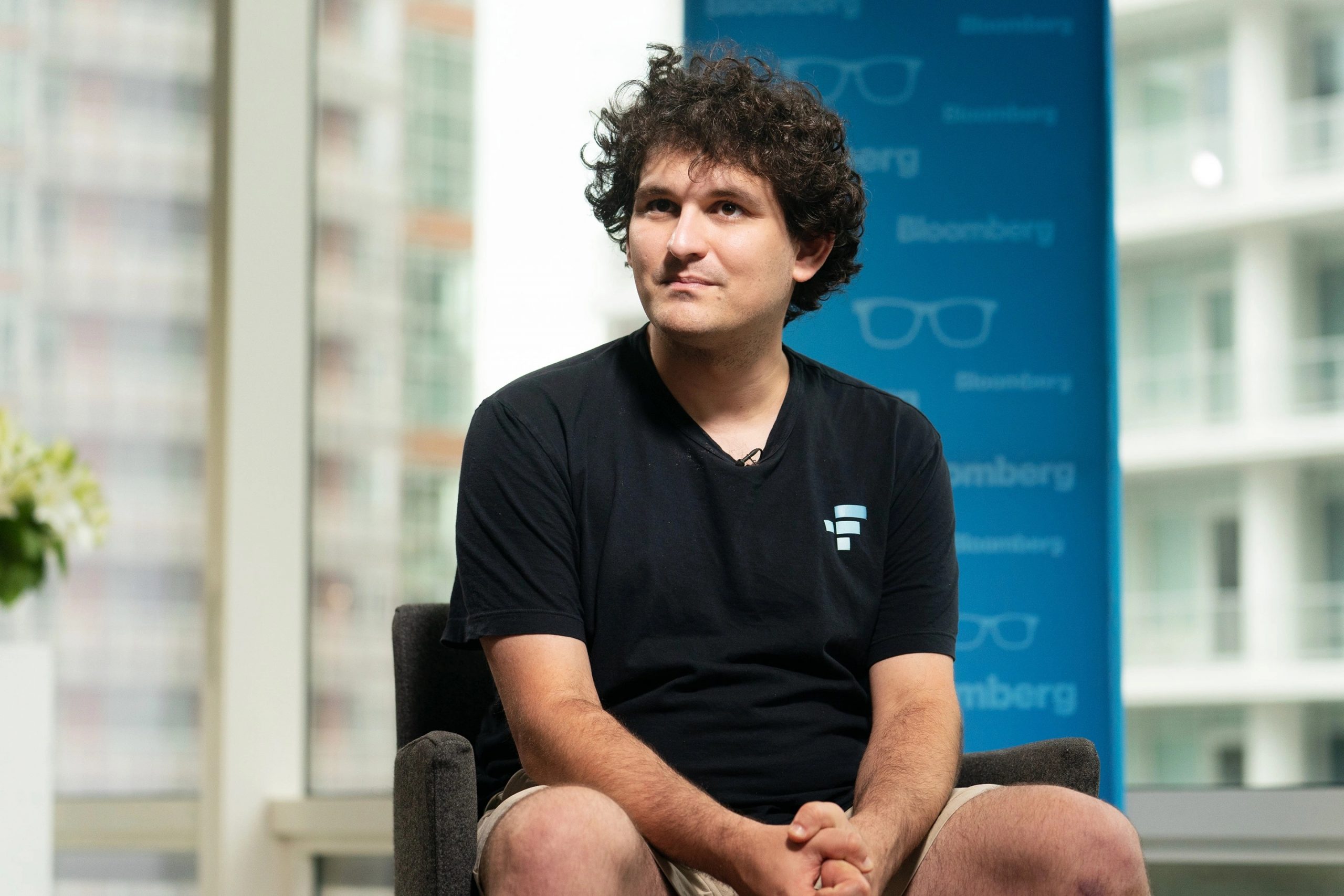
In a surprising turn of events, the US prosecutors have decided to withdraw all charges against Sam Bankman-Fried, the founder and CEO of FTX, one of the largest cryptocurrency exchanges in the world. The charges were related to alleged violations of anti-money laundering and securities laws by FTX and its affiliates.

The prosecutors did not provide any explanation for the sudden withdrawal of the charges, which were filed in September 2022. The charges had accused Bankman-Fried and his associates of operating an unregistered securities exchange, facilitating illegal transactions, and failing to comply with KYC and AML requirements.

Bankman-Fried, who is also the founder of Alameda Research, a quantitative trading firm, has denied any wrongdoing and maintained that FTX operates in compliance with all applicable laws and regulations. He has also expressed his willingness to cooperate with the authorities and provide any information they may need.

The withdrawal of the charges is a major victory for Bankman-Fried and FTX, which have been facing increased scrutiny and pressure from regulators around the world. FTX is one of the most popular and innovative platforms in the crypto space, offering a wide range of products and services, such as futures, options, leveraged tokens, prediction markets, NFTs, and more.

The crypto community has reacted positively to the news, with many praising Bankman-Fried for his vision and leadership. Some have also speculated that the withdrawal of the charges may indicate a shift in the US government’s stance on crypto regulation, which has been largely unclear and inconsistent so far.

However, some experts have cautioned that the withdrawal of the charges does not mean that FTX is free from regulatory risks. They have advised FTX and other crypto platforms to continue to adhere to best practices and standards in order to avoid potential legal troubles in the future. This situation might signal a relaunch of FTX.

The crypto world has been shaken by the recent events surrounding FTX, one of the largest and most innovative exchanges in the industry. FTX was founded by Sam Bankman-Fried (SBF), a former Wall Street trader who became a crypto billionaire and philanthropist. FTX offered a variety of products and services, such as futures, options, leveraged tokens, prediction markets, and even NFTs.

However, things took a turn for the worse when FTX faced a liquidity crisis and a withdrawal freeze in November 2022. SBF announced that he had reached an agreement with Binance, the world’s largest crypto exchange, to sell FTX.com to them for an undisclosed amount. He also said that he would work with Binance to clear out the withdrawal backlog and ensure that all customers’ funds were covered 1:1.

This announcement sparked a lot of controversy and speculation in the crypto community. Some praised SBF for his honesty and transparency, while others accused him of mismanagement and fraud. Some wondered what would happen to FTX’s innovative products and services, while others questioned Binance’s motives and intentions.

One of the most intriguing possibilities that emerged from this saga was the idea of FTX 2.0, a reboot of FTX under a new name and a new leadership. A group of FTX creditors and supporters formed a coalition to advocate for this idea, claiming that it would benefit both the customers and the industry. They argued that FTX 2.0 would give customers a chance to recover their funds, challenge Binance’s dominance, and create a better and safer exchange for everyone.

The coalition was inspired by other successful stories of crypto exchanges that recovered from major setbacks, such as Bitfinex, which repaid its customers after a $72 million hack in 2016. They also pointed out that John Ray III, the newly appointed CEO of FTX, was billing for work related to FTX 2.0.

However, there are many challenges and uncertainties facing this idea. For one thing, FTX is facing multiple lawsuits and investigations from regulators and creditors, who are demanding their money back. The IRS alone has filed 45 claims worth $44 billion against FTX. For another thing, it is unclear whether Binance would agree to let FTX 2.0 operate independently or compete with them. Moreover, it is uncertain whether FTX 2.0 would be able to retain its original vision and innovation under new management.

Tinubu Inaugurates National Economic Council, Appoints Special Advisers

0

On Thursday, Nigeria’s President Bola Tinubu inaugurated the National Economic Council (NEC), expressing his commitment to sustaining the revitalization of the nation’s economy.

In his address to the council, Tinubu urged its members, the governors of the federation, to collaborate and support his administration’s efforts in transforming the country’s economy. He reminded them of the eight priority areas outlined in his inaugural speech, which include security, economy, job creation, agriculture, and infrastructure, among others.

Tinubu acknowledged the enormity of the task of growing the economy but emphasized that he and the governors should not complain, instead highlighting the importance of harnessing the nation’s potential to drive substantial growth. The NEC’s inauguration took place one week after President Tinubu directed the council to convene and devise interventions to mitigate the impact of petroleum subsidies.

Concluding his remarks, the president reiterated that collaboration among NEC members is essential and should not be seen as a crime. The meeting began with the presence of several governors from various states, including Kwara, Osun, Kogi, Ekiti, Nasarawa, Akwa Ibom, Enugu, Cross River, Plateau, Kebbi, Katsina, and Benue, among others.

Additionally, key figures in attendance included the Secretary to the Government of the Federation, the Chief of Staff, the Group Chief Executive Officer (GCEO) of the Nigerian National Petroleum Company Limited (NNPCL), the Acting Accountant General of the Federation, the Acting Governor of the Central Bank, and Permanent Secretaries from the Budget and National Planning and Federal Capital Territory Administration departments.

The president also approved on Thursday, the appointment of the following as Special Advisers:

 Mr. Dele Alake Special Adviser, Special Duties, Communications and Strategy 

Mr. Yau Darazo Special Adviser, Political and Intergovernmental Affairs 

Mr. Wale Edun Special Adviser, Monetary Policies 

Mrs. Olu Verheijen Special Adviser, Energy 

Mr. Zachaeus Adedeji Special Adviser, Revenue 

Mr. Nuhu Ribadu Special Adviser, Security 

Mr. John Ugochukwu Uwajumogu Special Adviser, Industry, Trade and Investment. 

Dr (Mrs.) Salma Ibrahim Anas Special Adviser, Health.

The Ribadu’s surprise

However, the appointment of Ribadu has raised eyebrows. In 2007, Ribadu as the Chairman of the Economic Financial Crimes Commission (EFCC), declared before the Senate that Tinubu, the then Lagos State governor, was among the top five stealing governors.

Other governors mentioned by Ribadu included Orji Uzor Kalu, Ahmed Sani yerima, George Akume, and Abudulahi Adamu. He told the Senate that Tinubu’s corruption was so deep that it had an international dimension to it.

Thus, it’s surprising to see Ribadu, who was revered as an anticorruption czar during his time as the head of Nigeria’s anti-graft agency, support, and work for Tinubu, who he indicted and declared “not fit to hold public positions.”