DD
MM
YYYY

PAGES

DD
MM
YYYY

spot_img

PAGES

Home Blog Page 453

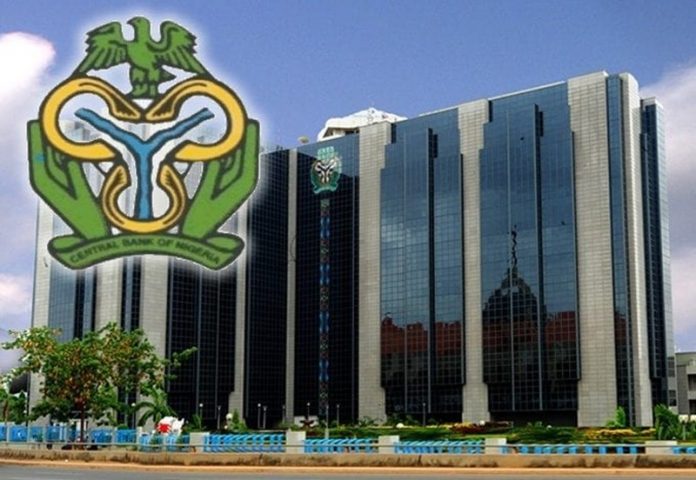
CBN Cuts Interest Rate to 27%, Economist Says It’s Not Enough for Nigerian Economy

0

The Central Bank of Nigeria’s Monetary Policy Committee (MPC) has trimmed the benchmark interest rate by 50 basis points, lowering the Monetary Policy Rate (MPR) from 27.5 percent in July to 27 percent at its 302nd meeting held September 22–23, 2025.

The decision, reached by the 12-member Committee, marks the most significant signal yet that the apex bank is shifting from a strict inflation-fighting stance toward measures aimed at stimulating economic growth.

The MPC also retained the asymmetric corridor around the MPR at +260 and -250 basis points, providing a framework for liquidity management and underlining the CBN’s cautious approach to potential market volatility.

Governor Olayemi Cardoso, briefing journalists after the meeting, said the decision was predicated on five consecutive months of disinflation, improved macroeconomic stability, and forecasts pointing to further inflation moderation through the rest of the year.

“The stability in the macroeconomic environment offered some headroom for monetary policy to support economic growth and recovery,” Cardoso said.

Key Policy Adjustments

Alongside the rate cut, the Committee announced other liquidity management measures:

  • The cash reserve requirement (CRR) for commercial banks was reduced to 45 percent, while that of merchant banks was retained at 16 percent.
  • A new 75 percent CRR was imposed on non-TSA public sector deposits, aimed at tightening excess liquidity.
  • The liquidity ratio was kept unchanged at 30 percent.
  • The standing facilities corridor was adjusted to boost interbank market activity and strengthen monetary policy transmission.

The MPC noted that despite sustained disinflation, excess liquidity in the banking system—largely fueled by fiscal releases from improving government revenues—remained a risk. It stressed that enhancing the effectiveness of the interbank system was critical for transmitting policy changes into real sector outcomes.

Disinflation Momentum and Stability Factors

Committee members pointed to the stronger disinflationary momentum in August 2025, the fastest in five months, as evidence of progress. They attributed this trend to earlier policy tightening, exchange rate stability, a surplus in the current account balance, and rising capital inflows.

They also highlighted the continued moderation in petrol (PMS) prices and increased crude oil production, both of which contributed to easing inflationary pressures.

Private Sector Applause and Cautions

The Center for the Promotion of Private Enterprise (CPPE) praised the decision as “strategic and well-timed,” describing it as a deliberate shift from stabilization to growth acceleration.

Dr. Muda Yusuf, CEO of CPPE, argued that persistently high interest rates had constrained private sector credit, raised borrowing costs, and slowed business expansion.

“This decision signals a deliberate effort to shift focus from stabilization to accelerating growth,” Yusuf said. “If supported by complementary fiscal measures, it could unlock the economy’s full potential.”

According to CPPE, easing credit conditions should allow banks to expand lending capacity, particularly toward small and medium enterprises (SMEs), which are most affected by borrowing costs. The group believes the move could boost investment, enhance capacity utilization, and ultimately support job creation.

Despite the optimism, CPPE emphasized that monetary easing alone will not be enough. The think tank urged fiscal authorities to sustain consolidation efforts, prioritize infrastructure development, and implement structural reforms to attract more capital.

Security challenges, CPPE noted, also remain a major obstacle, undermining rural productivity and discouraging private sector investment.

“If sustained and matched by fiscal discipline, infrastructure delivery, and stronger institutions, this policy direction could position Nigeria on a path toward sustainable, inclusive, and resilient economic growth,” Yusuf added.

Skepticism Over the Pace of Cuts

Some analysts, however, see the reduction as too modest to significantly alter credit conditions. Economist Kalu Aja said, “High Monetary Policy Rates can harm MSMEs, which are crucial for creating jobs. No MSME could borrow at 27.50, none can borrow at 27%. So whilst the CBN is on the right trajectory in its rate cuts, the speed and volume of cuts are also imperative.”

He argued that Nigeria needs a steeper easing cycle, projecting that a rate closer to 15 percent—paired with tax reforms—would meaningfully stimulate enterprise growth.

The MPC’s decision has reopened debates about how effective interest rate adjustments are in fighting inflation in an economy like Nigeria’s. Economists note that rate hikes typically succeed where strong linkages exist between money supply and inflation. In Nigeria, however, supply constraints—particularly in food and services—have often driven price surges more than liquidity levels.

With inflation moderating, the CBN appears to be recalibrating its stance to balance stability with growth. But the effectiveness of the new approach will hinge on whether the fiscal side can deliver structural improvements that enhance productivity and tame the non-monetary drivers of inflation.


Paga Expands Into US Market, Launches Digital Banking Solution For African Diaspora

0

Paga Group, a UK-headquartered financial technology company and one of Africa’s fastest-growing firms, has announced its expansion into the United States by launching a digital banking service designed for Africa’s diaspora community.

Developed in collaboration with a US-regulated bank, this new service provides Africans living in the US with seamless access to modern, cross-border financial solutions. With only a valid form of identification and a US residential address, customers can now open and manage a fully regulated US bank account, giving them the ability to conduct essential banking transactions with ease.

The rollout begins with a focus on Nigerians in the US, marking the first phase of Paga’s broader global growth strategy. The initiative aims to break down long-standing barriers to cross-border finance and promote inclusive, accessible, and modern banking services for Africans worldwide.

“Millions of Africans abroad face unnecessary hurdles when it comes to basic financial services,” said Tayo Oviosu, Founder and Group CEO of Paga. “Opening a bank account, saving in a stable currency, or sending money home is often expensive, complicated, or even out of reach. In the United States alone, over 4.5 million African immigrants navigate a system that was never designed for them. We are breaking down those barriers.

Paga’s expansion to the U.S is significant, as the Nigerian-born immigrant population in the country has more than doubled over the past two decades, growing at an average rate of 4.8% annually and reaching 476,000 in 2023. In parallel, remittances to Nigeria continue to play a pivotal role in supporting families and fueling economic growth, climbing to $21 billion in 2024, up from $19.5 billion in 2023.

Paga’s new account comes with physical and virtual Visa debit cards, fully compatible with Apple Pay, Google Pay, and Plaid enabling users to link popular third-party apps like Robinhood and Venmo. Customers can also send money directly to US or Nigerian bank accounts, with expansion to other countries planned for the near future.

Unlike traditional remittance services, Paga’s platform is built primarily for banking and payments, empowering Africans to participate freely in global commerce. The first phase specifically serves people who live across two worlds particularly members of the Nigerian diaspora, allowing them to manage both their US and Nigerian financial needs from a single, integrated wallet.

Founded in 2009, Paga Group is one of Africa’s pioneers in building the infrastructure for the future of money in Africa. The mobile payment company is building an ecosystem to enable people digitally send and receive money, creating simple financial access.

Over the past 16 years, Paga has remained committed to its mission to make it simple for one billion people to access and use money. What began as an agency banking pioneer has evolved into a robust digital payments and financial services ecosystem.

Leveraging its best-in-class, multicurrency, highly scalable digital payments and financial services engine, Paga serves the ecosystem through three business lines: Paga (Consumer), Doroki (SME Merchant), and Paga Engine (Enterprise Infrastructure). 

Today, the fintech powers seamless personal payments, supports business operations across thousands of merchants, and delivers scalable technology infrastructure that empowers individuals and enterprises alike to thrive in the digital economy.

In 2024, Paga processed 124 million transactions worth N8.7 trillion (approximately US$5.6 billion). Fast forward to March 2025, the fintech facilitated over 460 million transactions worth over N23 trillion ($44 billion) in transactions since its launch. Paga currently processes over US$1 billion per month. In May 2025, the company was ranked among the Financial Times’ fastest-growing companies in Africa list.

This marked the third consecutive year Paga has earned a spot on the prestigious list, placing it in an elite group of just 18 companies to have achieved this distinction since the ranking began.

In Nigeria, Paga promotes income growth and financial empowerment serving millions of customer wallets, saving them time and money. Over 29 million people have used Paga’s services, and Paga’s ecosystem has contributed to job creation at scale with over 1,000 direct jobs and 100,000 indirect jobs created.

Through its enterprise infrastructure platform, Paga Engine, the company supports hundreds of enterprise clients. Meanwhile, its merchant platform serves merchants with over 100,000 points of presence and has impacted more than 300,000 lives who directly depend on the jobs created through the merchant network.

With its recent expansion to the U.S, Paga is positioning itself as a key player in bridging financial gaps for African communities abroad, reinforcing its mission to enable financial inclusion on a global scale.

Kenyan Remittance Startup Bonto Shuts Down Operations Eight Months After Securing CBK Licence

0

Bonto, a Nairobi-based remittance fintech startup, has officially ceased operations. It shut down two years after launching and less than eight months after receiving its licence from the Central Bank of Kenya (CBK).

Bonto founder and CEO Yoann Copreaux announced via a LinkedIn post, that the startup, which specialised in remittances and foreign exchange services, stopped processing transactions on August 15 and soon after requested the revocation of its licence. The CBK confirmed the revocation last week, marking the official end of Bonto’s short-lived journey.

According to Yoan Copreaux, the decision to close the startup came after a series of operational and market challenges that made the business unsustainable. He further noted that, FX margins collapsed, making the breakeven scale unrealistic. In addition, remittance fees remained low or virtually non-existent, while compliance requirements continued to rise, particularly affecting Money Remittance Providers (MRPs).

Unlike established MRPs that could rely on legacy clients, Bonto was essentially “building in the desert,” a far more challenging task. Efforts to sell the licence were also unsuccessful. Bonto reached out to over 50 fintech companies, signed multiple NDAs, and received five offers. However, none were viable when factoring in CBK approval timelines and the monthly financial losses the company would incur while waiting for a transfer.

“Closing was an emotionally tough decision, but ultimately it was the only rational path forward,” the CEO stated, emphasizing that continuing operations would have only deepened losses. Despite the setback, Bonto expressed deep gratitude to its stakeholders. The company thanked its clients and partners for their support and recognized the dedication of its team.

As part of the shutdown process, Bonto is offering its CBK-approved office space and a Canadian MSB licence to interested parties. The company’s founder acknowledged the personal toll of the closure but emphasized the importance of taking time to reset before embarking on the next venture.

Before the shutdown, Bonto was a Nairobi-based fintech startup specializing in foreign exchange (FX) services and money remittances, primarily targeting cross-border transfers to and from Kenya. Founded in 2022, it positioned itself as a tech provider in Kenya’s competitive remittance market, aiming to offer competitive FX rates and efficient transfer solutions for businesses and individuals.

The Nairobi-based remittance fintech startup, aimed to differentiate itself in Kenya’s competitive remittance market through innovative offerings focused on efficiency, transparency, and user-centric design.

These include;

1. Competitive FX Rate Platform

Bonto provided a digital platform offering real-time, competitive foreign exchange (FX) rates for cross-border transfers, particularly for USD-KES and other major currency pairs. The platform prioritized transparency, displaying live rates to help users avoid hidden fees common in traditional remittance services.

Unlike larger incumbents (e.g., Western Union or banks), Bonto’s lean, tech-driven model aimed to minimize overheads, passing savings to users through tighter spreads.

2. Low-Cost Remittance Model

Bonto targeted near-zero or significantly reduced fees for remittances, challenging the high costs of legacy providers. This was particularly appealing for small and medium-sized businesses (SMBs) and individuals sending frequent, smaller transfers. The company leveraged software to streamline operations, reducing the need for physical infrastructure, which allowed it to compete with giants like M-Pesa or WorldRemit on cost.

3. Focus on Digital-First Experience

Bonto offered a fully digital interface, likely accessible via a mobile app or web platform (bonto.africa), designed for seamless onboarding and transfers. This catered to Kenya’s tech-savvy population and diaspora communities. The platform emphasized user experience, with features like instant transfer confirmations and easy tracking, addressing pain points in traditional remittance processes.

4. Tailored Solutions for SMBs

Bonto positioned itself as a partner for small businesses engaged in cross-border trade, offering tools to manage FX risks and optimize international payments. This was a niche focus compared to competitors focusing on individual consumers. It aimed to support Kenya’s growing SME sector by providing affordable access to global payment networks.

5. Regulatory Compliance as a Strength

After securing its Money Remittance Provider (MRP) license from the Central Bank of Kenya in January 2025, Bonto marketed its compliance as a trust factor, ensuring secure and regulated transactions in a market wary of fraud. Its adherence to CBK’s stringent standards allowed it to build credibility, even as a small player.

While innovative, Bonto’s offerings faced headwinds in a saturated market. The low-fee model, while attractive, was unsustainable due to collapsing FX margins and rising compliance costs, as noted by CEO Yoann Copreaux.

Bonto’s innovations highlighted the potential for tech-driven remittance solutions in Kenya but also exposed the market’s structural barriers. The startup exit underscores broader challenges for Kenya’s fintech remittance space, while inflows grew, smaller firms face viability issues amid competition and costs.

Reeve Collins Launches STBL Stablecoin For Yield Generation as MetaMask Token Is Confirmed

0

Reeve Collins, co-founder of Tether (USDT) and its first CEO from 2013 to 2015, has launched a decentralized stablecoin protocol emphasizing yield generation for users.

The project, known as STBL, represents what Collins describes as “Stablecoin 2.0,” shifting value from issuers back to the community through transparency, productivity, and community governance. Unlike traditional stablecoins where yield often stays with issuers, STBL uses a three-token model backed by real-world assets (RWAs) like U.S. Treasuries, allowing users to retain and earn yield without lockups or staking.

The project’s Token Generation Event (TGE) for the governance token $STBL occurred on September 16, 2025, marking its official debut. It’s already live on BNB Chain, with listings on Binance Alpha, Kraken, and PancakeSwap. Mainnet rollout is planned for late 2025.

Collateralized by tokenized RWAs from partners like BlackRock’s BUIDL fund, Ondo, BENJI, and USDY. Over $500 million in institutional commitments, including $100 million from Franklin Templeton (with $1.6 trillion AUM), have been secured.

Yield Focus enters a $230+ billion stablecoin market where yield-bearing options (e.g., Ethena’s USDe at ~$4.5 billion market cap) are surging. STBL aims to make stablecoins “productive” by splitting principal and yield into separate streams, enhancing liquidity for DeFi, payments, and remittances.

How the Three-Token Model Works

STBL introduces a novel “yield-splitting” mechanism to address limitations in existing stablecoins (e.g., overcollateralized like DAI, reserve-backed like USDC/USDT, or algorithmic like FRAX). Users deposit RWAs to mint tokens, keeping yield accessible and programmable.

Stablecoin (spendable principal) | Pegged 1:1 to USD; backed by RWAs like T-bills; fully liquid for payments, trading, or DeFi without losing yield. Non-custodial and transparent on-chain.

Yield accrual captures passive yield (e.g., ~5% APY from Treasuries); tradeable, pledgeable, or reinvestable separately from principal. No staking required. Governance (community token) enables voting on protocol upgrades, interoperability, and staking for additional yields. Current market cap ~$200 million, seen as undervalued by early observers.

This model contrasts with older stablecoins by redirecting yield to users, fostering a “user-centric” ecosystem. Collins has emphasized in interviews that it creates “sustainable yield mechanisms” while maintaining stability.

Collins co-founded Tether in 2014 (initially as Realcoin), which grew from under $1 billion to $142 billion market cap, powering much of crypto’s trading volume. After leaving in 2015, he hinted at yield-bearing stablecoins to attract income-seeking investors.

Earlier in February 2025, he announced Pi Protocol (with tokens USP and USI) as a precursor focused on DeFi yield from bonds/RWAs, planned for Ethereum/Solana in H2 2025. STBL appears to be the realized evolution of that vision, co-founded with Avtar Sehra (Libre Finance) and backed by Wave Digital.

The project aligns with 2025 trends: tokenized Treasuries exploding in adoption, DeFi protocols unlocking liquidity while retaining yield, and stablecoins surpassing traditional payment networks in volume. Institutions like BlackRock are integrating it for compliant, on-chain exposure.

X discussions highlight its potential to “eat market share” due to institutional ties and Binance integration. Some predict quick listings and growth, though new launches can be volatile. It faces rivals like USDT, USDC, USDe, and Mountain Protocol’s USDM (offering ~5% yield). As a new entrant, peg stability and regulatory scrutiny (e.g., RWA compliance) will be key.

Phase 1 (TGE/listings) complete; Phase 2 adds governance; future phases include staking for extra yields and cross-chain interoperability.

The Confirmation of a MetaMask Token ($MASK) By Joseph Lubin Carries Several Implications For Users

Joseph Lubin, Ethereum co-founder and ConsenSys CEO, recently confirmed that a native token for MetaMask—likely ticker $MASK—is indeed coming “very soon,” potentially sooner than many expected.

This announcement has sparked widespread excitement in the crypto community, with speculation around airdrops for active users (e.g., those using swaps or bridges). In an interview on The Block’s “The Crypto Beat” podcast (aired September 18, 2025), Lubin stated:

The MASK token is coming—it may come sooner than you would expect right now.” He tied it directly to decentralizing aspects of the MetaMask platform, such as governance and features like swaps and Snaps.

No exact launch date was given, but the phrasing “very soon” aligns with the “sooner than expected” hint. Prediction markets like Polymarket now give strong odds (over 70%) for a 2025 release, with some betting on Q4.

The token aims to distribute control and ownership to the community, building on MetaMask’s role as the leading Ethereum wallet over 30 million monthly active users. It could enable voting on updates, fee sharing, or enhanced DeFi integrations.

While unconfirmed, early users (especially swap/bridge participants) are prime candidates. No official snapshots or claims yet—beware of scams. This fits ConsenSys’ push for Ethereum decentralization via tools like MetaMask, Infura, and Linea. It could boost ETH ecosystem activity amid rising “animal spirits” in the market.

The $MASK token is expected to enable decentralized governance, allowing users to vote on features, updates, or fee structures. This could shift MetaMask from a ConsenSys-controlled product to a community-driven protocol, aligning with Web3 ethos.

Token issuance may distribute economic incentives to users, incentivizing long-term engagement and loyalty. Anticipation of a potential airdrop based on wallet usage, swaps, or bridge transactions is already driving users to increase on-chain activity via MetaMask. This could spike transaction volumes on Ethereum and Layer 2 networks like Arbitrum or Linea.

The hype around $MASK has led to phishing attempts and fake token claims on X and other platforms. Users must stay vigilant, relying only on official MetaMask/ConsenSys channels. As the leading Ethereum wallet, a token could solidify MetaMask’s position against competitors like Coinbase Wallet or Phantom, especially by enhancing DeFi and NFT integrations.

Increased user engagement (swaps, bridging, etc.) could drive higher transaction fees and activity on Ethereum and its scaling solutions, benefiting validators and Layer 2 protocols. The token aligns with ConsenSys’ broader portfolio (Infura, Linea, Codefi), potentially creating a unified economic system that strengthens Ethereum’s infrastructure.

The announcement has fueled hype on X, with prediction markets showing 70%+ odds of a 2025 launch. This could draw speculative investment into Ethereum and related tokens. Depending on supply, utility, and airdrop mechanics, $MASK could command significant market interest, potentially mirroring successful token launches like $ENS or $UNI.

A high-profile launch could signal renewed “animal spirits” in the crypto market, especially if timed with a bullish cycle, boosting altcoin interest. The token could incentivize developers to build more Snaps custom plugins, enhancing MetaMask’s functionality (e.g., cross-chain support, advanced DeFi tools).

With $MASK enabling new features or rewards, DeFi protocols and NFT platforms integrated with MetaMask may see increased usage, fostering innovation. As a U.S.-based company (ConsenSys), the token launch may face regulatory hurdles, especially if classified as a security by the SEC. Compliance will be critical to avoid delays or restrictions.

The $MASK token could reshape MetaMask’s role in Web3, deepen Ethereum’s dominance, and spark market excitement, but its success hinges on execution, regulatory clarity, and community adoption. Stay tuned to official channels for updates.

SEC Pushes to Implement Trump’s Executive Order on Crypto in 401(k) Accounts

0

President Donald Trump signed Executive Order 14123, titled “Democratizing Access to Alternative Assets for 401(k) Investors,” directing federal agencies, including the Securities and Exchange Commission (SEC) and the Department of Labor, to revise regulations and guidance.

This aims to enable participant-directed defined-contribution retirement plans, such as 401(k)s, to include alternative assets like cryptocurrencies, private equity, and real estate. The order addresses restrictions under the Employee Retirement Income Security Act (ERISA) of 1974, which has limited such investments to protect savers, but proponents argue it democratizes access to higher-return opportunities typically available to wealthy or institutional investors.

As of September 23, 2025, the SEC faces mounting pressure to act swiftly. Labor Secretary Lori Chavez-DeRemer praised the order for promoting flexibility and eliminating “one-size-fits-all” approaches, signaling inter-agency coordination.

However, implementation isn’t immediate—fiduciaries must still ensure investments are “prudent” under ERISA, meaning employers and plan administrators will need to vet options carefully to avoid liability.

Critics, including Sen. Elizabeth Warren and economists like Gerald Epstein, warn of heightened risks: cryptocurrencies’ volatility, private equity’s high fees often 2% management plus 20% performance, and lack of transparency could jeopardize the $12 trillion in U.S. retirement savings.

Proponents, including firms like BlackRock and Vanguard, highlight potential diversification benefits for long-term investors with high risk tolerance. The SEC has not yet issued final rules, but industry groups are lobbying for expedited guidance, potentially by year-end.

US-UK Partnership Forms Crypto Task Force

The U.S. and UK announced the Transatlantic Taskforce for Markets of the Future, a joint initiative co-chaired by UK Chancellor Rachel Reeves and U.S. Treasury Secretary Scott Bessent.

This task force, operating through the existing UK-US Financial Regulatory Working Group, will deliver policy recommendations within 180 days on cryptocurrency regulation, digital asset oversight, and cross-border collaboration.

Focus areas include stablecoin alignment, tokenization of traditional assets, wholesale digital markets innovation, and anti-money laundering (AML) standards for crypto firms. The partnership stems from Trump’s recent UK state visit and reflects a shared push to position both nations as global crypto leaders amid renewed U.S. enthusiasm.

Coinbase, a key participant in the discussions, endorsed the effort, advocating for a “stablecoin corridor” and mutual recognition of regulatory regimes to boost innovation without stifling growth. UK trade groups like the Cryptoasset Business Council hailed it as a “vote of confidence,” noting the UK’s lag in adoption compared to the U.S.

This move could harmonize rules—e.g., UK’s planned 2026 crypto licensing with U.S. stablecoin frameworks—reducing barriers for firms like Coinbase operating transatlantic. However, challenges remain: balancing innovation with consumer protection, especially post-FTX scandals.

The task force seeks industry input, potentially accelerating global standards. These developments signal accelerating mainstream integration of crypto into finance, but with ongoing debates over risks versus rewards.

Over 90 million Americans with 401(k) plans could access cryptocurrencies, private equity, and real estate, potentially diversifying portfolios beyond traditional stocks and bonds. Alternative assets like Bitcoin have historically seen high returns (e.g., 60% annualized returns in some periods), appealing to younger, risk-tolerant investors.

SEC and Department of Labor guidance could clarify rules, encouraging employers to offer crypto options without fear of liability. This aligns with Trump’s deregulatory push, potentially streamlining approvals by late 2025.

Opening 401(k)s to crypto could drive billions into digital assets, boosting market liquidity and mainstream adoption. Firms like BlackRock and Coinbase could benefit from new investment products (e.g., Bitcoin ETFs).

Mass adoption could amplify market volatility, especially if retail investors panic-sell during downturns. Economic inequality may widen if high-risk assets disproportionately benefit wealthier, sophisticated investors.

Implications of US-UK Crypto Task Force

Harmonized rules (e.g., stablecoin frameworks, AML standards) could create a seamless transatlantic crypto market, reducing compliance costs for firms like Coinbase. A “stablecoin corridor” might enhance cross-border transactions, boosting efficiency.

Misaligned priorities (e.g., UK’s stricter licensing vs. U.S.’s lighter-touch approach) could delay consensus, prolonging uncertainty for businesses. Joint policy recommendations by March 2026 could position the US and UK as global crypto hubs, attracting investment and talent.

Tokenization of assets (e.g., real estate, bonds) could revolutionize financial markets, per Coinbase’s advocacy. Overregulation or slow implementation could push innovation to less-regulated jurisdictions like Singapore or Dubai, as warned by industry groups.

Robust AML and fraud protections could rebuild trust post-FTX, encouraging broader adoption. Clear rules might stabilize markets by reducing speculative excesses. Balancing innovation with protection is tricky—overly stringent rules could stifle growth, while lax ones risk consumer losses, especially for retail investors.

A US-UK crypto alliance could set global standards, countering influence from China’s digital yuan or other centralized systems. This aligns with Trump’s pro-crypto agenda to maintain U.S. financial dominance.

Both developments reflect a pro-crypto shift in Western policy, driven by Trump’s agenda and UK’s need to compete post-Brexit. They could accelerate mainstream crypto adoption but face hurdles in balancing innovation, risk, and consumer protection.