DD
MM
YYYY

PAGES

DD
MM
YYYY

spot_img

PAGES

Home Blog Page 6813

The Sneezing that Wiped 12% off Bitcoin

0

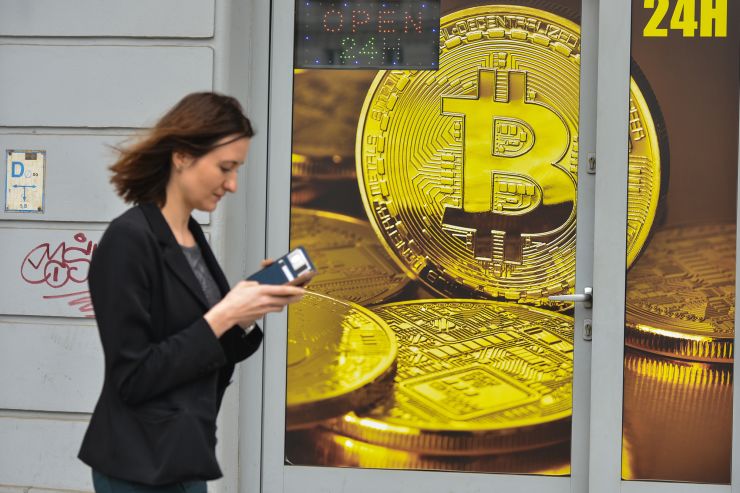
Whenever U.S. Federal Reserve Chairman sneezes, expect Bitcoin to look for a hiding corner. The cryptocurrency lost double digit value after the U.S. central bank boss said he has “serious concerns” on Facebook Libra, a stablecoin cryptocurrency which Facebook plans to unveil in coming months. But it was not only Bitcoin:”the world’s second and third-largest cryptocurrencies — ether and XRP — also fell. Ether was down 13% at $270 a token, while XRP fell 15% to about 33 cents”.

Bitcoin is sliding after Federal Reserve Chairman Jerome Powell poured cold water on Facebook’s plans to launch a cryptocurrency.

The world’s best-known digital coin — which has experienced a meteoric rise in 2019 — fell 12% to about $11,450 on Thursday, according to CoinDesk data.

Bitcoin had hit a 17-month high above $13,000 just two weeks ago. It’s currently up about 200% since the start of the year, having gathered momentum as large companies like Facebook and Fidelity get involved in the space.

But it began sliding as Powell said that he held “serious concerns” about Facebook’s planned digital currency Libra. The social network is looking to launch the token alongside a consortium of companies including Uber and Visa.

“Libra raises serious concerns regarding privacy, money laundering, consumer protection, financial stability,” Powell said at a congressional committee Wednesday. “These are concerns that should be thoroughly and publicly addressed.”

Yet, Bitcoin is still doing well, at least nearly doubling over the last few months.

How Facebook Libra Cryptocurrency Will Affect Nigerian Naira, Inflation, Banking

Performance and Execution – When All Nigerians Play “FIFA U-17 World Cup”

2

I will run a workshop in coming days for a major African brand. The firm wants us to put its team on the path of Performance and Execution, making it clear to the team that they could win despite competition from foreign firms. We have been looking at something really positive where Nigeria is the undisputed #1 in the world, and we found one: FIFA U-17 World Cup Tournament.

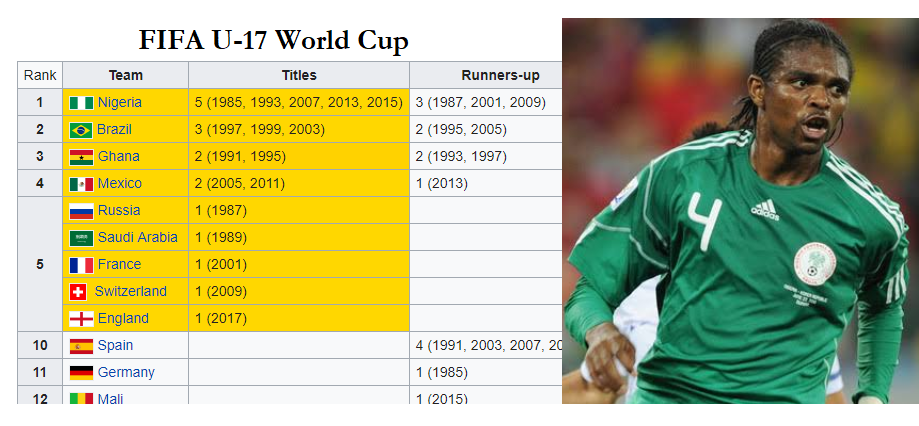
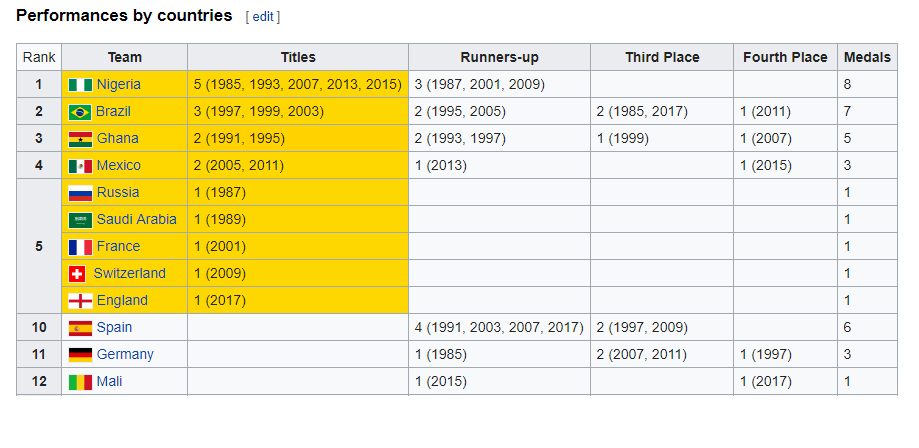
In the global competition, Nigeria has won 5 gold and three silver medals holding a total of 8 medals. Brazil comes second with 3 gold, 2 silver, and 2 bronze for a total of 7 medals. From this, we will draw insights on being hungry early, executing with sparks of excellence, and then lazily peaking before the dance begins.

Then, how can teams win, win and keep winning as President Trump would like to note: we will keep winning until our enemies will be tired. Yes, you will not be the one that will be tired, of winning, but those despising your wins.

How can all Nigerians play FIFA U-17 World Cup and win in other sectors of our national existence?

We are the best U-17 team in the world. Can we boast of another area in a positive way?


Nigeria’s Withholding Tax Model Goes Global, France to Unleash on Digital Techs

8

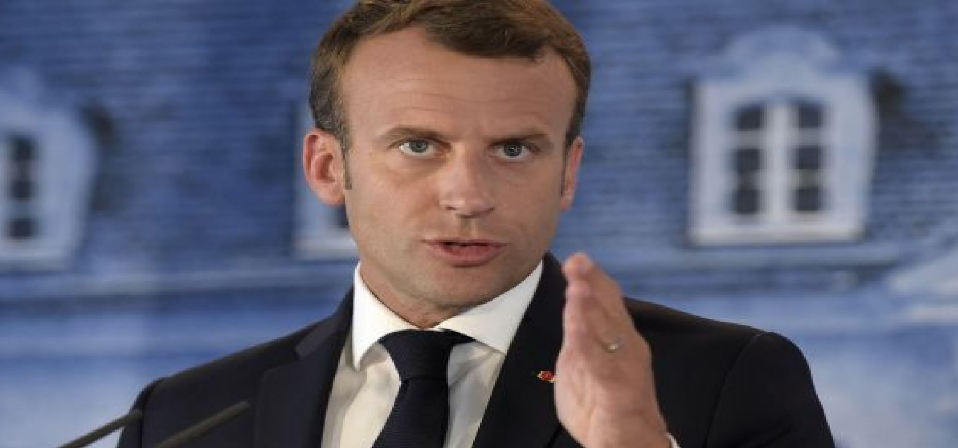
France wants to tax revenue of digital tech companies since they have no access to the profits as most are shipped to tax havens: “new law expected to be passed by the French parliament today would slap a 3% levy on firms like Google and Facebook for revenue made in France”, notes Quartz. This move will affect many U.S. digital firms like Google, Facebook and Twitter; America is not happy.

US President Donald Trump has ordered an investigation into France’s planned tax on tech giants – a move that could result in retaliatory tariffs.

His trade representative said the US was “very concerned” that the tax “unfairly targets American companies”.

On Thursday the French parliament is due to approve a 3% levy on revenue made by such companies as Google and Facebook inside the country.

France argues that these firms currently exploit global tax loopholes.

Tech giants are able to locate their headquarters in low-tax countries where they declare most of their profits, thereby minimising their tax bill.

U.S. should relax: Nigeria taxes revenue through Withholding Tax (WHT) and it is a good idea. Sure, if you want to do business with government in Nigeria, the WHT is designed because government is sure you will make profit. So, it wants to take its tax before anything; you may decide not to return to pay tax. But if you end up with a loss in the business activity, good luck getting a “refund” back.

American trade officials are probing the plan, on the basis that it could unfairly target U.S. firms. Trade Representative Robert Lighthizer: “The president has directed that we investigate the effects of this legislation and determine whether it is discriminatory or unreasonable and burdens or restricts United States commerce.” (Fortune newsletter)

Globally, the construct of taxing profit in the digital world makes no sense because in a sector where marginal cost tends to zero, you can practically shift profit as you want. Twitter makes money from Nigeria as our companies advertise therein but Twitter may never need an office in Nigeria to serve its Nigerian clients. The implication is that without a taxable jurisdiction in Nigeria, Twitter will not have anything to be taxed. To the taxman in Nigeria, Twitter does not exist.  Yes, Twitter tax will be $0 in Nigeria even though it makes money from Nigeria. That tax is zero because Twitter has no books for Nigeria and that means it has no profit to be taxed. Yes, Twitter profit is $0 in Nigeria for tax purposes because there is no taxable Twitter for Nigeria to tax. Add Netflix, Spotify and other digital firms to get the idea.

The French case is unique because these American companies do have offices but largely declare any profit therein. So, France struck to help its treasury with funds to keep things that make those companies to keep coming. Of course, U.S. will impose tariff on French imports and everything will normalize. I expect these contact-games going forward in the rich world. Nigeria should have its plans.

Why Smoking Waterpipe Tobacco aka Shisha is Harmful to Your Health

1

By Adaku Efuribe

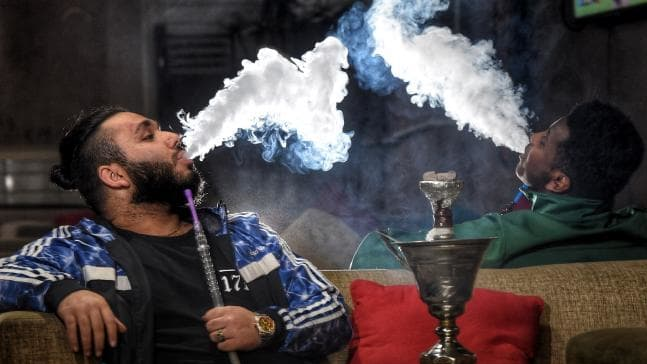
I wish to draw attention to a public health issue that has become popular in the major cities of Nigeria which is shisha smoking.

It is worthy of note that using shisha also poses the same risks as cigarette smoking.

I have decided to write this article to create some form of awareness about shisha.

Few days ago, I watched a youtube interview which featured a popular Nigerian artist and throughout the interview the artist engaged in a shisha smoking session which was quite shocking to me.

Following the recent issues emanating with codeine and tramadol abuse among youths in Nigeria, the federal ministry of health has to up their game in educating the general public on the harmful effects of social substances that are dangerous to health.

There are mixed messages regarding shisha coming from uninformed people that do not understand the ingredients that make up shisha.

The other day I read a comment on social media made by a young Nigerian lady; advising people that there is nothing wrong with shisha and using it is a way of taking nutritional supplements. The lady went on to say shisha is mixed with vitamins and minerals and those who engage in smoking it are getting their daily vitamins and minerals.

Her comment had hundreds of likes from people who are as uninformed as her.

The World Health Organisation (WHO) fact sheet on waterpipe tobacco smoking states that:

Waterpipe smoke is toxic. Laboratory analyses of waterpipe smoke reveal measurable levels of carcinogens (including tobacco- specific nitrosamines, polycyclic aromatic hydrocarbons [PAH], volatile aldehydes like formaldehyde, and benzene), and toxicants such as nitric oxide and heavy metals. Additionally, the burning charcoal generates high levels of carbon monoxide.

Systematic reviews of existing research point to significant associations between waterpipe smoking and lung cancer, periodontal disease and low birth weight . More recent data suggest probable associations with oral, oesophageal, gastric and urinary bladder cancer, as well as chronic obstructive pulmonary disease, cardiovascular disease, stroke, chronic rhinitis, male infertility, gastro-oesophageal reflux and impaired mental health.

Shisha smoking is becoming popular among artists and some celebrities in Nigeria. This is a worrisome trend as such people could easily influence their fans and followers into smoking it as well.

As a clinician, I don’t see anything classy in engaging in risky behaviors that could endanger one’s health and probably shorten life span.

I care about the health of Nigerians and any little information as regards to self care and healthy living would help especially in this day and age where our healthcare sector is a reflection of system failure in all quarters.

A lot of people believe that smoking shisha is safer than smoking cigarettes but this is not true unfortunately.

The key facts about shisha show that it is even more risky and harmful to health than cigarette smoking.

The British Heart foundation advises that shisha smoking – “also called hookah, narghile, waterpipe, or hubble bubble smoking – is a way of smoking tobacco, sometimes mixed with fruit or molasses sugar, through a bowl and hose or tube”.

Please see below key facts about shisha from a publication by the British Heart Foundation (BHF) to learn more:

What is in a shisha pipe?

Shisha pipes use tobacco sweetened with fruit or molasses sugar, which makes the smoke more aromatic than cigarette smoke. Popular flavourings include apple, plum, coconut, mango, mint, strawberry and cola. Wood, coal, or charcoal is burned in the shisha pipe to heat the tobacco and create the smoke because the fruit syrup or sugar makes the tobacco damp.

When you smoke shisha, you and anyone sitting near you are breathing in smoke which releases toxins including carbon monoxide and heavy metals –reducing your body’s ability to carry oxygen around in your blood.

How harmful is shisha smoking?

Traditionally shisha tobacco contains cigarette, tobacco so like cigarettes it contains nicotine, tar, carbon monoxide and heavy metals, such as arsenic and lead. As a result, shisha smokers are at risk of the same kinds of diseases as cigarette smokers, such as heart disease, cancer, respiratory disease and problems during pregnancy.


Is herbal shisha safer?

No it isn’t. Shisha, herbal or otherwise, usually contains tobacco. Fruit or herbal flavours do not mean the product is healthy. Even if you use tobacco-free shisha, you’re still at risk from the carbon monoxide and any toxins in the coal or charcoal used to burn the shisha.

Now that you know the key facts about shisha, I expect you to make an informed decision whether to use shisha or not considering the risks and associated diseases.

Healthy living is the greatest gift you can give yourself, why not choose health!

Author

The Challenges Ahead of AfCFTA (African Continental Free Trade Agreement)

2

By Samuel Nwite

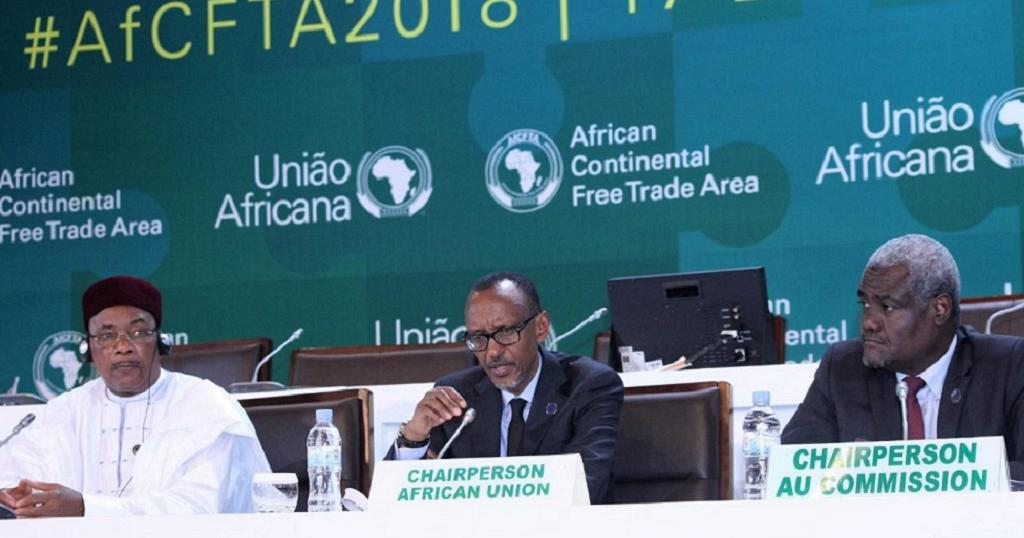
On July 7, the long awaited signature from Nigeria was finally given in Niamey, the Niger Republic capital by President Muhammadu Buhari, to the African Union (AU). It was received with a resounding applause because it’s keen to the implementation of African Continental Free Trade Agreement (AFCFTA) that started signature collection since 2018, and so far has 44 signatures of the continent’s 55 countries. AFCFTA was constituted in March 2018, with the goal of creating a single market enabled by free movement and a single currency. However, the unwillingness of some states to embrace the pact from inception created a shadow of doubt on the success that it projects.

For instance, Nigeria, the largest economy in the African continent that was expected to spearhead the move was until July 7, an observer of AFCFTA, even though it was already in force in 27 African countries. Kenya and Ghana were the first countries to tender their ratification instrument on May 10 2018, and others followed suit. On April 29, the threshold of 22 ratifying states for the free trade area to formally exist was reached, after Sharawi Republic tendered her ratification instrument, and AFCFTA became a force on 30 may 2019.

Although the late involvement by AU member countries delayed the trade pact that would have seen Africa gearing toward competition with their counterparts in Europe (Common Market) and Asia (ASEAN), it didn’t stop the good news that came from Niamey on July 7, “AFCFTA has become operational.” It was such a news that the world has waited for. The United Nations Economic Commission for Africa (UNECA) said the implementation could increase intra African trade by 52% in 2020. GDP and employment are expected to grow by 0.97% and 1.17% respectively. Intra-African growth is estimated at 33% and the continent’s trade deficit is expected to drop by 50.9%.  But there are challenges, apart from issues ranging from tariff to patent rights to duties etc. Africa has more integration barriers to beat in the markets than in agreements. And they come in their sizes as follows.

Language

There are over 2000 languages spoken in Africa, each commanding a profitable business interest. And to those who have been in the Intra-African trade, it’s a problem, a transaction stymieing barrier that usually takes a ton of losses before it could get even. And to get even, it must be narrowed to colonial languages of European origin, mainly, English, French, Portuguese and Spanish. But that doesn’t solve it in every case, there are those who word in Arabic, and the vast majority that can only communicate in local African tongues that could number in tens in one locality alone. For instance, Nigeria has a population of over 200 million, but only 53% of this number of people could speak the official language “English” fluently, the rest are divided into over 200 local tongues, relying on the Pidgin English to communicate. What this means is that a ‘Zulu only’ speaking South African who has a business to run in Nigeria may need more than 3 interpreters to function – one for ‘Zulu to English,’ Hausa, Yoruba, Igbo or pidgin to English, then back to Zulu. And this is the case with every other country in AFCFTA. Integration is stalled when mutual goods and services are disconnected by tongues.

Telecommunication

Intra-African telecommunication is the most expensive in the world. And as such, a bane of business facilitations, especially, for SMEs and startups struggling with so many other infrastructural deficiencies in their respective countries. Voice and broadband qualities don’t commiserate with the charges, and it becomes worse when you roam. Telecommunication companies in Africa, especially those of African origin are yet to reach a compromise that will enable affordable communication or augment their infrastructure to facilitate quality communication networks. And businesses that depend on them to execute financial and other transactions are at the receiving end of the brute spikes.

Transportation 

The African continent operates the most expensive air transport system in the world. A situation made possible by many factors that ‘poor intra-African rail line infrastructure’ is heading. The movement of people, goods and services depends mostly on road transportation for countries in the same region, and airplane, when you are going beyond your region. And that comes with costly price. A situation that has been blamed on the high cost of operations. Although there is Single African Air Transport Market (SAATM) designed for the implementation of open sky and integration in Africa, it doesn’t change the cost. Poor infrastructure, corruption, mediocrity and multiple taxation have taken deep seated positions in African aviation industries that the cost of flying is finding a place for itself in the sky. An African travelling to another African country may need to transit through European countries before he could get back to his African destination. Although the AFCFTA pledges to resuscitate SAATM, there are operational cost differences varying from country to country to contend with. So affordable air transport may not be attained soon and there is a need for practical alternative through rail transportation that will ease the movement of goods and services.

Single Currency

For Africa to integrate to the implementation AFCFTA, the currency barrier must be eliminated. Although the proposed single currency comes handy, Africa is not prepared to deal with the consequences. A single currency will mean a collective economic responsibility to member states, just like in the EU. The 2009 Greek economic crisis tested the EU’s support to member states to the tone of 320 billion euros in bailout funds. Member states like Germany took the lion share of the loans and made recommendation of austerity measures to be implemented by Greece, all in a bid to prevent the economic crisis from escalating to other EU member states. But Germany was only able to stand tall behind Greece because she was commanding a GDP of $3, 423, 470 million in 2010, and the proceeding years yielded more GDP per capita for her. In Africa, almost every member of AU is dealing with debt crisis, and her supposed economic giants, Nigeria and South Africa are still looking for loans from China and World Bank. So who will bail who? Everyone may be taking a fall for the financial indiscretion of one state.

There is also the issue of currency regulation that is usually done by the apex banks. Will AFCFTA member states be willing to bequeath currency control to one AU established bank? Will the Bank be able to establish a unified payment system that will facilitate easy, fast and secure payment from every corner of the continent? When regions like the ECOWAS is pushing for a regional currency (ECO) in the nearest future, these questions need to be answered in the future negotiations of AFCFTA.

Insecurity

Free movement and integration are attainable only when there is safety. In many African countries, civil unrest, terrorism, militia and ethnic violence are norms. Talk about Nigeria, Cameroon, Mali, Ethiopia, Kenya, South Sudan, Libya, Central African Republic (CAR) Democratic Republic of Congo (DRC) etc. Each of these countries are recording scores of death on the daily or periodically, and there is no solution in sight. The ravages of these conflicts are visible in concretes as well as humans. There are no markets, there are no buyers and there are no sellers or providers of goods and services in places where the utmost goal is survival.

The proposed AU passport will enable free movement of Africans no doubt, but not without security consequences. Boko Haram, Al-Shabbaab, ISWAP, ISIS and every militia group in Africa are likely going to see it as a means of exploiting the already damning security loopholes. And no African country is ready to contain the activities that may ensue thus.

Xenophobia

History has shown that getting across the border to the next African state isn’t where the integration lies, it lies in becoming part of the community that you crossed to mingle with.

In May 2008, streets in South Africa witnessed disturbing scenes of xenophobic attacks, stemming from unbridled intolerance of fellow Africans. Shops were looted, people were killed, and the South African government helplessly watched it all. The attacks perpetrated on the excuses of “foreigners are taking our jobs,” “they are committing crimes in our country,” were foreshadowing the discriminate barbarism that will hunt Africa’s integration in the future. It’s 2019, and Malawians, Nigerians, Zimbabweans (even members of SADC) are being asked to leave the country at the slightest provocation. So other nationals in South Africa live in xenophobic paranoia, even those who worked hard to establish private enterprises.

And so it is in West Africa. Ghana and Nigeria have been in sibling contentions that has resulted in one throwing out the other. In February, about 720 Nigerians were deported from Ghana, on the allegations of prostitution, Cybercrime and illegality. There have been subsequent complaints from Nigerians living in Ghana about maltreatment by the Ghanaian government and its people that on many occasions, the Ghana’s High Commission to Nigeria has to be summoned by the Nigerian government. (For instance, there was a complaint by the Nigerian Union of Traders Association Ghana (NUTAG) that the Ghanaian Government was asking them to raise their capital to $1 million or leave. In other case, there are just laws demanding that they shut their businesses down to make room for investments of Ghanaian origin. Ghana and Nigeria are leading members of ECOWAS that should be setting a leadership example in honoring the ECOWAS free movement and integration pact, unfortunately, some nationalistic elements stemming from ethnic jingoism have not only trumped the pact, but have set pessimistic precedents that place future engagements in doubt.

These unfortunate incidents are indications of some AU member states’ inability to control xenophobic revolution that usually plunges non-nationals to the ruin of everything they have worked for. The reason being that some of these governments see national interest in xenophobia. Therefore, the success of AFCFTA depends not only on documents signed in a conference room but mostly on the functions of elements beyond African borders.