DD
MM
YYYY

PAGES

DD
MM
YYYY

spot_img

PAGES

Home Blog Page 6906

Stanford SEED is Deepening Capabilities for SMEs in Africa

0

By Nnamdi Odumody

Small and medium scale enterprises (SMEs) play a vital role in the socio economic development of any nation. They create jobs and help accelerate wellbeing amongst citizens through entrepreneurial capitalism.

SMEs in developing economies are constrained by a lot of factors which include weak intellectual property rights, access to finance, and multiple taxes. These factors limit their capacities to scale, and becoming successful like their counterparts in developed markets.

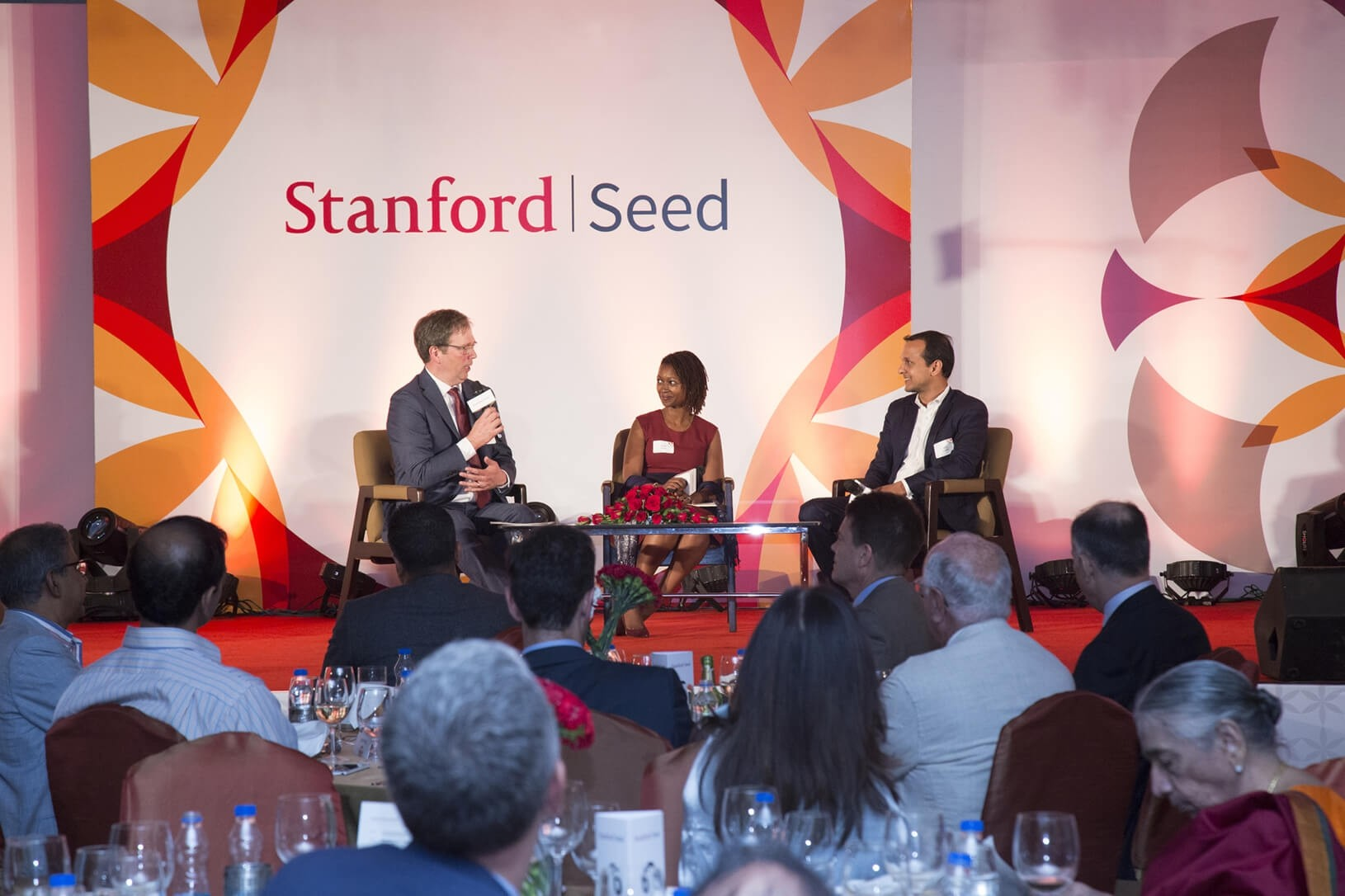
The Stanford University Graduate School of Business launched an initiative in 2013, Stanford Institute for Innovation in Developing Economies (Stanford SEED), to end the cycle of poverty in developing countries.

The Seed Transformation Program brings the power of innovation, entrepreneurship, and leadership to established businesses and their leaders — on the ground and in their communities.

We started in Africa, expanded to India, and our goal is to grow and scale to developing and emerging economies throughout the world. Stanford’s management training, one-on-one support, and networking opportunities empower business owners to lead their regions to greater prosperity.

Conducted largely outside of the classroom, this high touch one-year leadership program challenges leaders to assess their company’s vision, redefine strategies, and make ambitious changes toward exponential growth that will generate new jobs.

Its Business Transformation Programme is focused on SMEs which want to scale in West Africa, Central Africa, East Africa and India. This one year leadership program challenges leaders to access their company’s vision, redefine strategies and make ambitious changes towards exponential growth that will generate jobs. The program consists of intensive sessions taught by Stanford University faculty, and leading industry experts, in each of the countries under their operations, through an experiential learning model.

The Stanford SEED Transformational Programme curriculum is customized to address the challenges of CEOs in developing economies that run fast growing organizations. The attendees undergo trainings in leadership, strategy, entrepreneurial organizations, accounting, marketing, finance, value chain innovation, governance, business ethics, product, and services innovations.

Prospective applicants to this program must demonstrate commitment and potential to grow and scale their companies, by creating jobs, products or services which benefit the bottom of the pyramid and must lead organizations with revenues between $150,000 and $15 million.
Olam Plans To Acquire Dangote Flour, I Expect Dangote To Exit Sectors for Refinery & Petrochemicals

0

I expect Dangote Group to exit many sectors as a future of refinery & petrochemicals super-high growth empire is built. If you look at the business history of Aliko Dangote, he has pursued one playbook: upstream accumulation of capabilities. When crowd emerges in a sector, he exits. So, that Olam, the commodity trader, is possibly going to swallow Dangote Flour Mills, to boost its wheat market in Nigeria, is just the beginning. Since 1979, Dangote has climbed the business ladder by moving from downstream to upstream. And whenever there is huge concentration in a sector, he leaves. The refinery business will be the ultimate destination for that conglomerate.

Olam has made an offer of N130 billion to acquire all shares of Dangote Flour Mills that it doesn’t already own through its subsidiary, Crown Flour Mills.

In a notice sent to the Nigerian Stock Exchange on Tuesday, the board of Dangote Flour Mills said the money being offered will cover all its five billion issued shares.

“The consideration represents the enterprise value on a debt-free, cash-free basis, payable in cash at the closing of the proposed transaction.

“This consideration will be adjusted for the net-working capital and net debt as of 31 March 2019, or any other later date that may be agreed by the board of DFM to arrive at the final price payable to equity shareholders.

“The final price to be paid to the shareholders of the company would be adjusted downwards to exclude shares held by Olam through its subsidiary.”


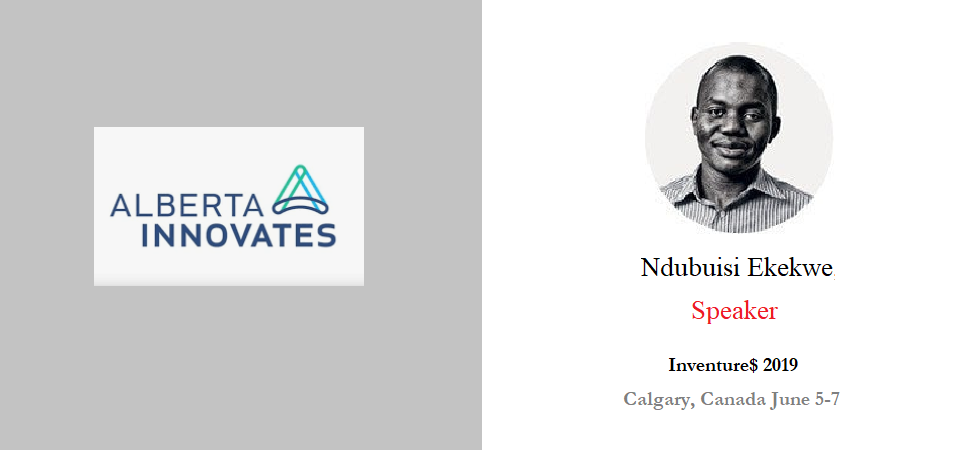
Connect with me at Inventure$ 2019, Calgary Canada – Speaking Therein

0

It is all set by the Government of Alberta. Connect with me at Inventure$ 2019. I will be speaking in this event. Inventure$ offers a great platform for deep conversations on technology and innovation. The event holds in Calgary, Canada on June 5-7, 2019.

INVENTURE$ 2019 is a must-attend ‘unconference’ for creative minds. Over three days we will bring venture capitalists, angel investors, startups, entrepreneurs, service providers and thought leaders together in Calgary to discover and share the latest in innovation, research, capital access and deal-making.

  • Date: June 5, 2019 – June 7, 2019
  • Time: All Day
  • Location: Calgary, Alberta, Canada
To connect, email my team here.

The China’s Dilemma

0

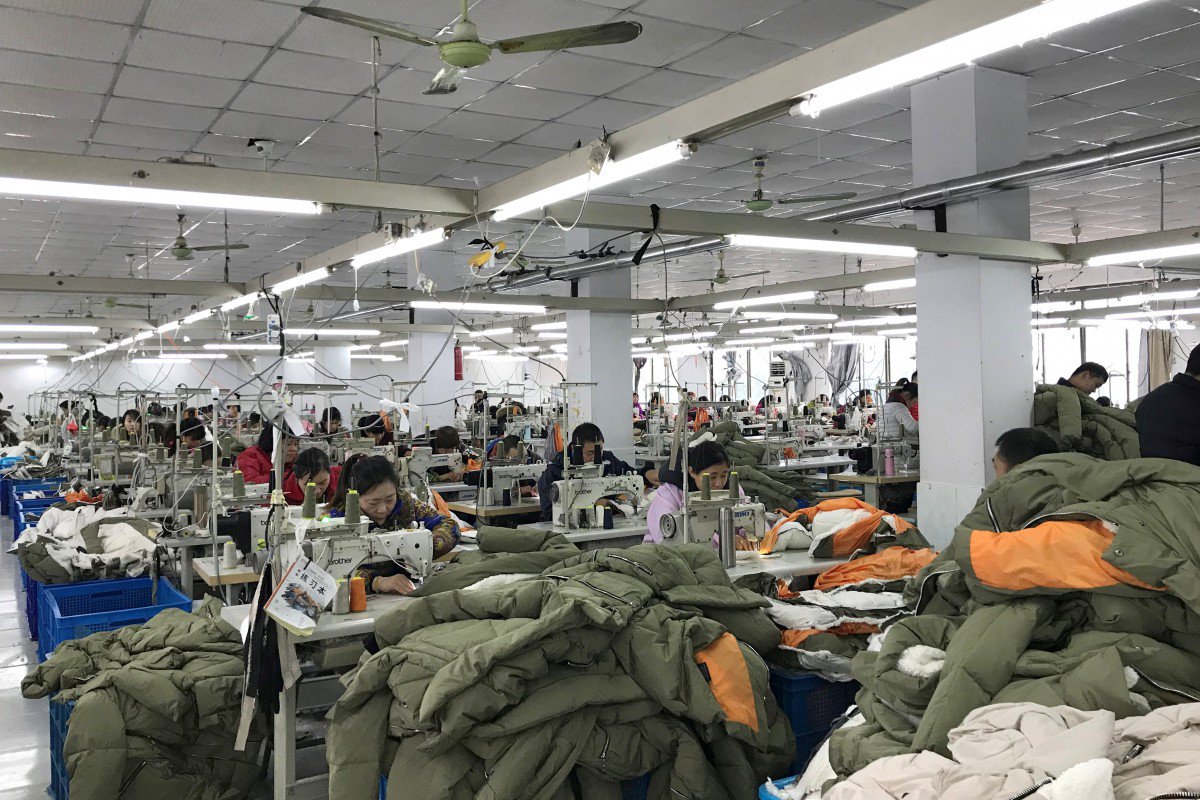
The world used to make a lot of things in Japan and elsewhere. Then, things moved to China. It remains so at the moment. Then, China began a global initiative – Belt and Road Initiative (BRI)– to create a new world order in its image. But Donald Trump arrived in the American White House – the seat of power.

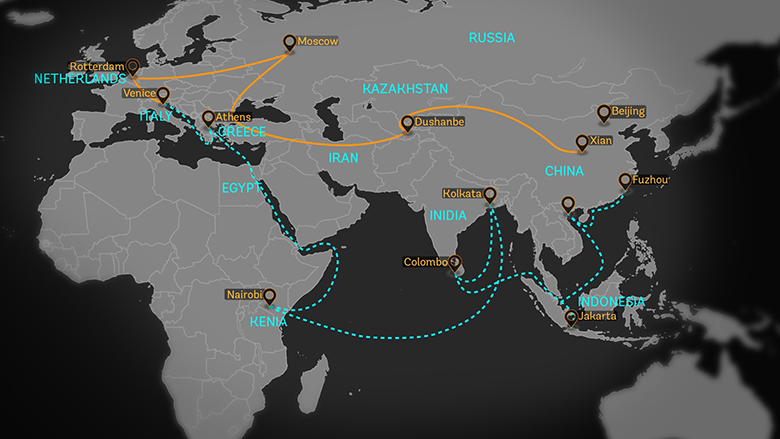
The Belt and Road Initiative (BRI) is an ambitious effort to improve regional cooperation and connectivity on a trans-continental scale. The initiative aims to strengthen infrastructure, trade, and investment links between China and some 65 other countries that account collectively for over 30 percent of global GDP, 62 percent of population, and 75 percent of known energy reserves. The BRI consists primarily of the Silk Road Economic Belt, linking China to Central and South Asia and onward to Europe, and the New Maritime Silk Road, linking China to the nations of South East Asia, the Gulf Countries, North Africa, and on to Europe. Six other economic corridors have been identified to link other countries to the Belt and the Road. The scope of the initiative is still taking shape—more recently the initiative has been interpreted to be open to all countries as well as international and regional organizations.

Crises started with trade negotiations, and paralyses set in. But China continues to invest in India and Vietnam – and other Asian countries. Interestingly, as it does that, many Western firms that used to send things to be made in China, now figure out that if this trade war continues, things made in China, could be imperiled.

So, why not move the production systems to Vietnam and India since we do not know how this trade war will end? And that is happening as FDI continues to accelerate in Vietnam, and many of the investors do that because of the core infrastructure China had funded, making the nation better for foreign investors.

Globalization is hard to predict. If Vietnam attracts more investments on producing things, China loses market share. China has invested on things that made Vietnam attractive. Yes, it accelerated this redesign in Asia even though it did not predict Trump.

Belt and Road Initiative (BRI) Map

As we panic over Chinese investments in Africa, let me assure you that no one can effectively predict what the future can offer. There would always be Donald Trump! Yes, if you go into the minds of some leading Chinese leaders today, they may be worried that a really challenging trade war can move production to depart from China to other Asian countries. Vietnam will benefit – it has critical infrastructure investments which are making the country attractive to the West. China has played a key role in those investments through its BRI funds.

Yet, everything is still at infancy: we do not know the final version of the U.S.-China trade agreement, if any. Once that is known, you will understand how China could have ironically accelerated the move of manufacturing out of its shores.This is a huge China’s dilemma as it continues to deepen and expand the BRI map.

LinkedIn Comment on Feed

  1. The man Donald Trump is the greatest event in the last two years, one man that managed practically turn everything about political correctness on its head. You do not need to like his personality, but his usefulness cannot be questioned, except those that enjoy hysteria… Let the table shaking continue, at least it could give some African leaders the ‘liver’ to question certain things about global order; you cannot blindly support globalisation if your own future cannot be guaranteed. Leaders need to ask questions and challenge anything you don’t seem to benefit from, others may frown at first; but you can still manage to bring them to negotiation table, for a better deal. Even the young man in North Korea can get the whole world to pay attention; you don’t just follow blindly.

  2. Ndubuisi – you assume China wants to be manufacturing / export centric economy. The OBOR investment in infrastructure around the world gives unparalleled access to market, resources and infrastructure for Chinese economy. The more integrated China is to the region- the more influence they yield. My response: Good point. In the long-term BRI is a great vision but in the short term, it may cause some pains. Yet, China’s access to new markets must compensate for potential displacement it causes its companies by strengthening their future competitors. If China funds electricity in Nigeria, Nigeria will stop importing most things from China as Nigeria can make those things at home.

  3. Apart from moving production out of China, manufacturers in China are beginning to worry that BRI is now making them to loose market to overseas competitors. Yes we don’t know what they future may hold, but instead of hoping that another Trump may show up tomorrow, it is better that we start making smart deals today with China. In a case of sovereign default (most Chinese loans are structured this way), there is nothing a 100 Donald Trump will do to reverse it – a case in point is hambonata port in siri-lanka

The Herman Cain’s “I would have to let go”

0

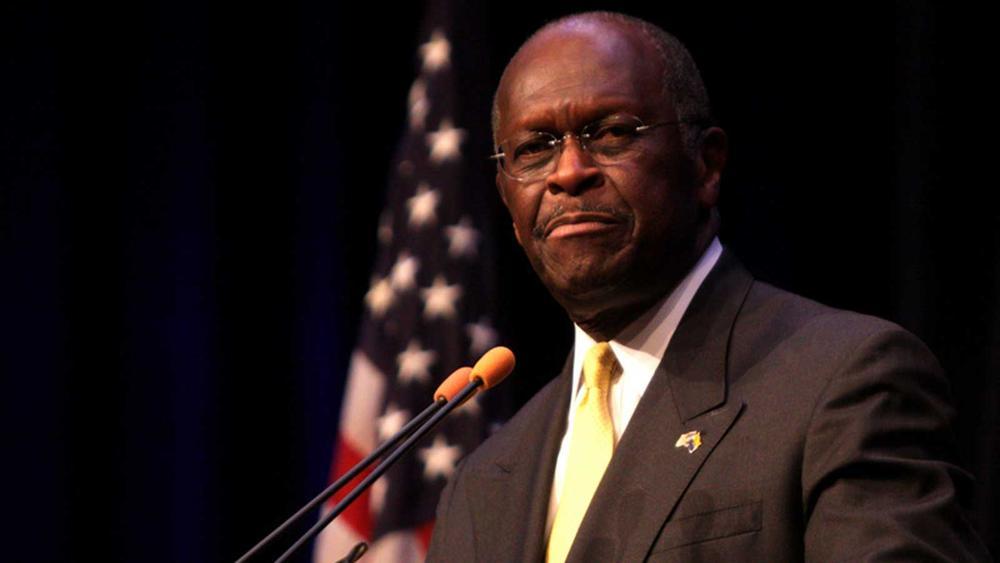
Herman Cain is an American businessman. He also ran for U.S. Presidency during which he came up with a moniker – 9-9-9 – as he postulated for a U.S. tax redesign. President Trump called Mr. Cain, and was on track to give him a position in the Federal Reserve board (U.S. equivalent of Central Bank of Nigeria). Cain, a part-time radio talk-show host [you need to be wickedly engaging to hold one in America, for long], was ebullient until they gave him a condition: practically, the man must be normalized as a commoner to serve America as a Fed board member.

That was too much for Cain. He gave up, and his response:

“I would have to let go of most of my business interests. I could not serve on any boards. I could not do any paid speeches. I could not advocate on behalf of capitalism, host my radio show or make appearances on Fox Business. Without getting too specific about how big a pay cut this would be, let’s just say I’m pretty confident that if your boss told you to take a similar pay cut, you’d tell him where to go.”

The politicians who did not want Cain (that is typical, some want you, some will not want you but most times the President gets what he wants) lost a target. Cain could not pay the prize of service here.

Now, think about Nigeria. We put extremely compromised people to lead institutions they should not come close to. Then, they enter and rig everything for themselves. Insane – have a medical director of a private hospital, serving as Chairman of the board of the government teaching hospital, in the same city, he runs clinics! Yet, we continue to wonder why the teaching hospital is not functioning.

In America, to do that job, you either exit from that private clinic or nothing. As they always say, there is a huge price to serve; Herman Cain just demonstrated the cost. Nigeria needs to upgrade our institutions to ensure conflicts do not derail our visioning systems.

Mr. Cain could not let go many things, and America said “thanks, there are others available”.