DD
MM
YYYY

PAGES

DD
MM
YYYY

spot_img

PAGES

Home Blog Page 6956

The Brilliance of Nigeria’s Gricd Frij on Eliminating Food and Drug Wastes

0

About 1.4 billion tonnes of food is lost annually due to lack of cold chain solutions. According to FIIRO, a Nigeria-based food research agency, a farmer loses between 40-50 percent of farm produce. This leads to price hikes in cost of food items, price fluctuations and food scarcity. More than 85 percent of farm owners in Nigeria are without access to cold chain storage solutions. Cooling and refrigeration rely an access to a reliable and affordable source of either electricity or diesel fuel which are often lacking or virtually nonexistent in rural areas.

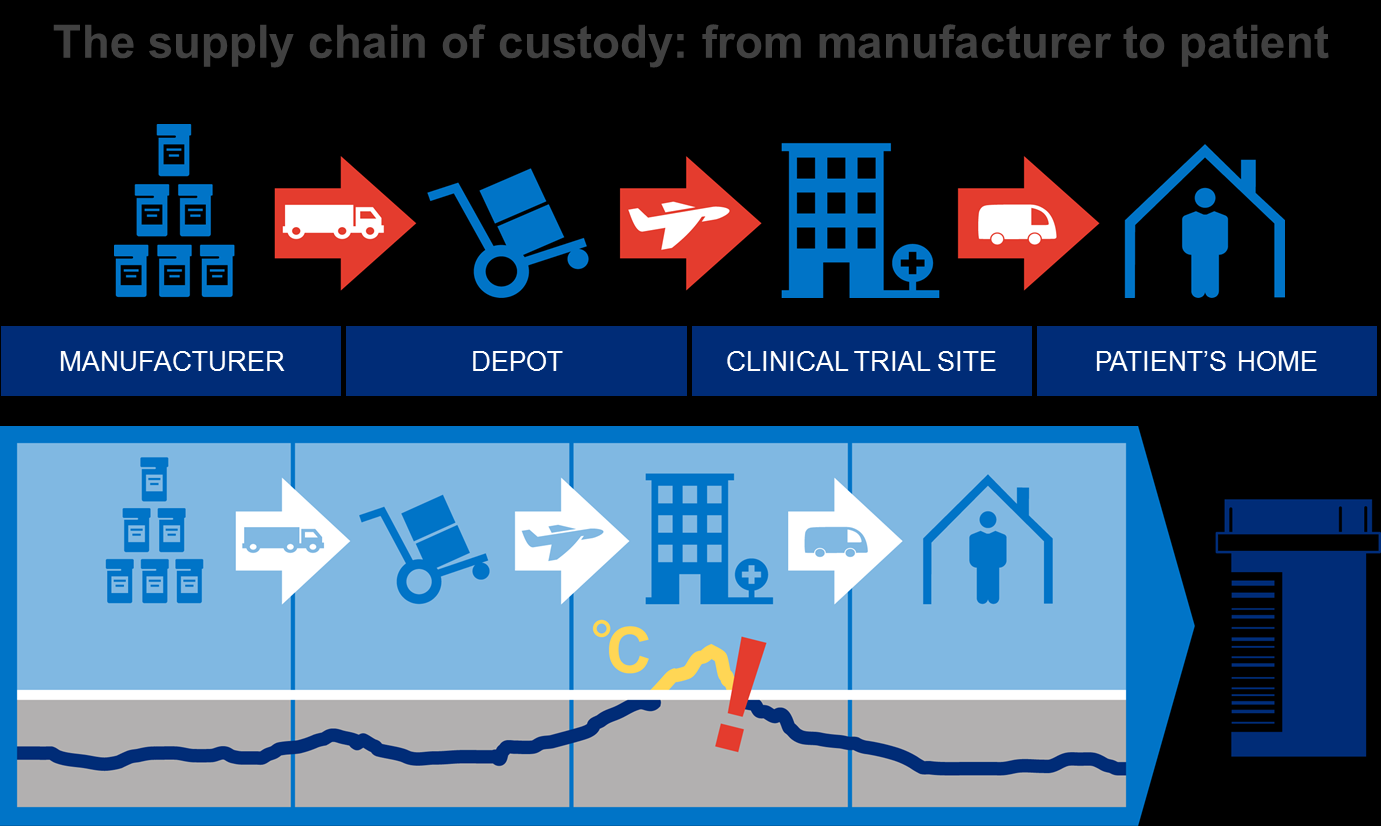
A cold chain or cool chain is a temperature-controlled supply chain. An unbroken cold chain is an uninterrupted series of refrigerated production, storage and distribution activities, along with associated equipment and logistics, which maintain a desired low-temperature range.

In healthcare, cold chain technology is required in the preservation and storage of healthcare products, medications and the dissemination of vaccines. Unfortunately 19.4 million infants do not receive routine immunization due to inadequate cold chain facility during transportation and storage. About 1.5 million annual deaths could have been prevented if there were adequate cold chain storage facilities.
Oghenetega Iortim, a business development expert with expertise spanning different industries which include power, information technology, oil and gas where he built solutions for Nigerian Gas generating revenue of over $1million per annum, and his Cofounder Richard Amiola, a renewable energy expert, who has embarked on projects which harness the potential of renewable energy such as regenerative braking, thermoelectric generation, piezoelectricity and solar energy, decided to come up with a solution to this problem.

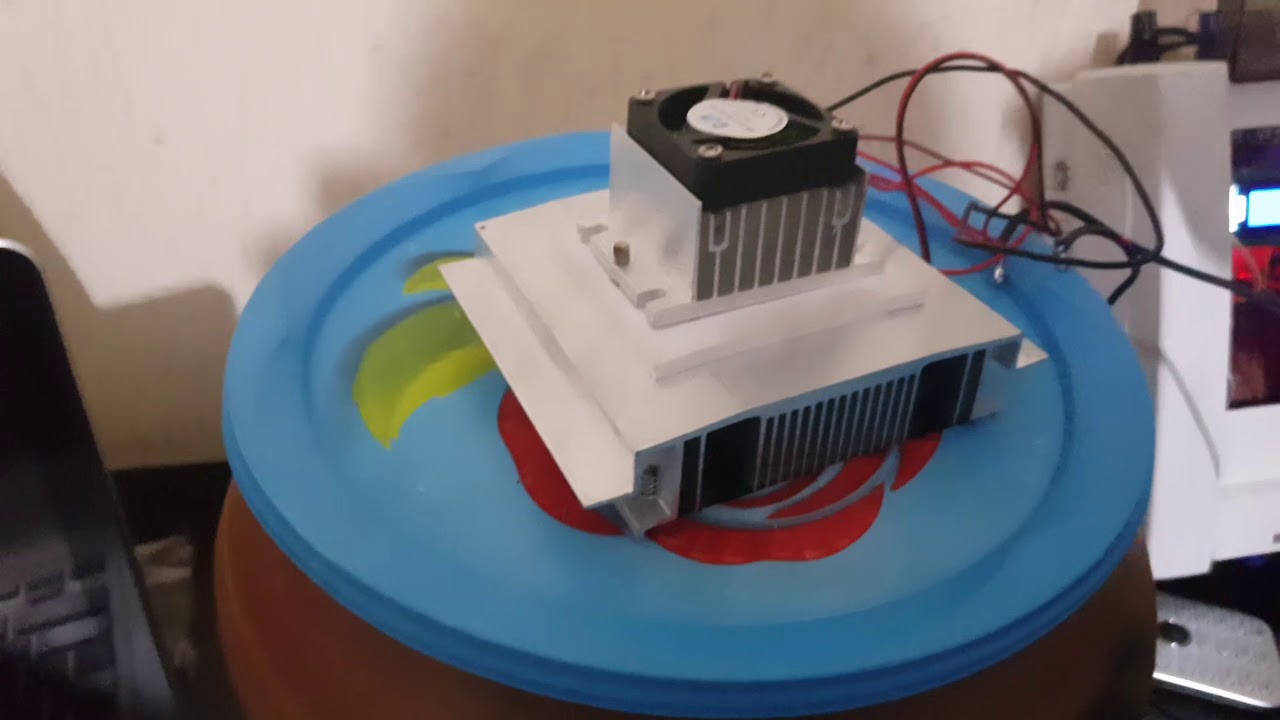
The solution is Gricd Frij, a cold chain box for storage and transportation of agricultural and healthcare products, in locations without power infrastructure. This device embedded with real time storage temperature and location monitoring technology has a dedicated battery which lasts up to 48 hours.

Gricd Frij will provide reliable, affordable cold chain solution to preserve crop produce, dairy milk, meat, household food, finding purpose across various sectors, preventing post harvest losses for farmers. It will also preserve vaccines and other healthcare products during transportation to remote, rural areas.

This innovation has been adopted by the Nigerian Institute of Medical Research Lagos for the transportation of laboratory samples, a hospital and some small businesses which rely on cold chain. It gives the user the ability to sustain items at regulated temperatures of up to 20 degrees Celsius during storage and transportation. It is the first of its kind in Sub-Saharan Africa competing with the traditional means of storage which are conventional refrigerators and ice packs in cooler boxes.

The Federal Ministry Of Health, Nigerian Medical Association (the umbrella body of all medical practitioners), and Pharmaceutical Society of Nigeria need to sensitize their members to patronize this innovation which will  go a long way in preventing some of the wastages faced by medical centers and pharmacies in drug and other sensitive items during delivery. Also, the Nigerian Agribusiness Support Group, an umbrella body of all organizations involved in agribusiness, Farmers Association, and the Federal Ministry of Agriculture and Rural Development with its Departments and Agencies, should also utilize this product to prevent produce wastages.
How Facebook’s NG Hub Accelerator is Promoting Nigeria’s Startup Ecosystem; Details of Major Startups

Digital Perception Marketing – Unbounded & Unconstrained

0

In the next three hours, I will lead an immersive presentation on digital marketing, with frameworks and constructs, in a rapidly emerging entity in Africa. I will be focusing on what we have called Digital Perception Marketing. This is the operationalization of the perception demand construct which I have written in Harvard Business Review and here. We have lots next week in Lagos and Monrovia in case you want to host us. Email my team here.

The Perception Demand Construct is a construct where you work on things which are not really evident to be in demand. Yet you go ahead to create that product. The demand may not be existing but you are confident you can stimulate it. Yes, you do believe that your product can elicit demand and grow the sector when launched. This is different from existing demand which could be met via starting a web hosting company or selling light bulbs where you know people actually need those services.

Steve Jobs’ Perception Demand Construct, for Africa


GTBank, Nigeria’s Platform-Bank, Releases Results: N216 billion PBT in 2018

0
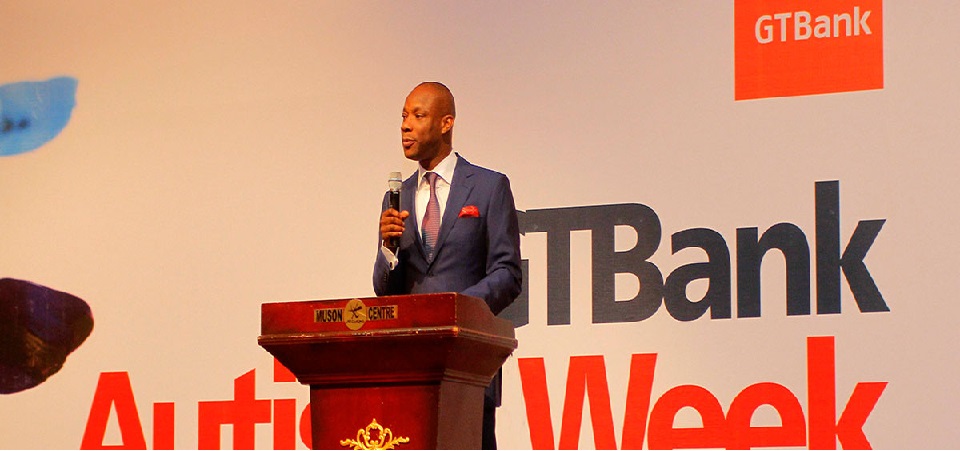
The CEO of GTBank

The best banking institution in Nigeria in terms of efficiency and effective utilization of capital is GTBank. Its separation from others is mind-blowing. In short, GTBank’s cost to income ratio (37% for 2018) is one of the best in the world. I used to be a banker; such numbers do not come by luck!

So, the platform-bank has its audited numbers – it made N216 billion before tax. The profit belongs to GTBank because the most profitable customers in Nigeria converge to GTBank. As I noted last year, its grand strategy remains the unification of all things. Hello Habari Banking!

To “create a platform and partner anybody who has a service to offer. So that if as a customer, one comes into our ecosystem, you can do just anything. You could do your banking business, buy your tickets, insurance, travel; if you wanted a 10-day pay day loan, you can do it. So, really we want you to come into our ecosystem, maybe five times a day to do different things other than banking.” Segun Agbaje, CEO, GTBANK

Press Release below

Guaranty Trust Bank plc has released its audited financial results for the year ended December 31, 2018 to the Nigerian and London Stock Exchanges.

A review of the results shows positive performance across all financial metrics and improved strategic positioning of the brand. Gross earnings for the year grew by 3.7% to N434.7billion from N419.2billion reported in the December 2017. Profit before tax stood at N215.6billion, representing a growth of 9.1% over N197.7billion* recorded in the corresponding year ended December 2017. The Bank’s customer deposits increased by 10.3% to N2.274trillion from N2.062trillion in December 2017, however, loan book dipped by 12.9% from N1.449trillion recorded as at December 2017 to N1.262trillion in December 2018.

In view of the above, the Bank closed the 2018 financial year with Total Assets of N3.287trillion and Shareholders’ Funds of N575.6Billion. In terms of Assets quality, NPL ratio and Cost of Risk improved to 7.3% and 0.3% in December 2018 from 7.7% and 0.8% in December 2017 respectively. In addition, coverage ratio for NPL stood at 105.1% and Capital adequacy ratio remained very strong, closing at 23.4% despite the implementation of IFRS 9. On the backdrop of this result, Post Tax Return on Equity (ROAE) and Return on Assets (ROAA) closed at 30.9% and 5.6% respectively. The Bank is proposing final dividend of N2.45k per unit of ordinary share held by shareholders in addition to interim dividend of 30k per unit of ordinary share bringing total dividend for 2018 financial year to N2.75k per unit of ordinary share.

Commenting on the financial results, the Managing Director/CEO of Guaranty Trust Bank plc, Mr Segun Agbaje, said; “In 2018, our focus on staying nimble, strengthening customer relationships and driving our digital-first strategy paid off. We successfully navigated the pressures of our challenging and radically changing business environment, recorded growth across key financial indices and reaffirmed our position as one of the best performing and well managed financial institutions in Africa.

He further stated that; ‘This result reflects, not just the fundamental strength of our brand, but also our commitment to our values of excellence, creating value for all stakeholders and putting our customers first in everything that we do. Driven by these values, we are building the bank of the future by pairing the best of our business with the massive potential of digital technologies to create Africa’s first integrated and trusted platform; Habari.

GTBank has continued to report the best financial ratios in terms of profitability, efficiency and capital for a Financial Institution in Nigeria as revealed by its return on equity (ROAE) of 30.9%, cost to income ratio of 37.1% and capital adequacy of 23.4%. These ratios are a testament to the efficient management of the Bank. In recognition of the Bank’s bias for world class corporate governance standards, excellent service delivery and innovation, GTBank has been a recipient of numerous awards over the years. Some of the Bank’s awards in 2018 include Bank of the Year – Nigeria from the Banker Magazine, Best Banking Group and Best Retail Bank Nigeria from World Finance Magazine, Most Innovative Bank from the African Investor, and Best Digital Banking Brand in Nigeria from the Global Brands Magazine.


GTBank Grand Strategy in one Paragraph, from CEO Segun Agbaje

Find A Better Manager, Find Your Ole Gunnar Solskjaer

0

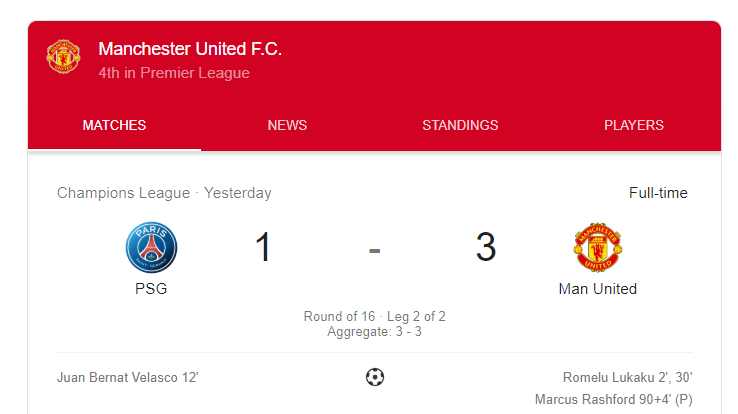
Manchester United is in the next phase of the Champions League. They made history last night, recovering from a 2-0 home loss against PSG, to become the first team in a European competition that lost 2-0 at home, and yet advance after the two legs. ManU defeated PSG 3-1 last night, advancing on away goals on aggregate of 3-3.

Yet, he used the same players as Jose Mourinho, the special one, whose star faded evidently.

That brings me to this question: who can motivate your team? Yes, as you can see, one man will take a highly castigated team to achieve impressive results. Before Solskjaer arrived, ManU was a yo-yo team. Today, it is a team for those that believe.

People, find a better manager. Yes, find a better operator. Until you can discover what can motivate or who can motivate your team, you may struggle to take that mission to the zenith. Find your Solskjaer in that business today.


How Can You Motivate Your Team? Who Is Your Ole Gunnar Solskjaer?

As Microsoft Unveils Datacenters in Africa, Price War Heats for MainOne, RackCentre, Vodacom and MTN

0

I discussed the Cloud business in Nigeria last year. I noted the positions of MainOne, MTN Cloud, Rack Centre and Vodacom.

There are four main cloud providers in Nigeria –  MainOne, MTN Cloud, Rack Centre and Vodacom. Two of these companies, MainOne and Rack Centre, have cloud services as one of the key components of their businesses. Sure, MainOne sells bandwidth, delivering connectivity services, but cloud service is a key business. MTN is known for its voice telephony and the broadband services, across Nigeria and beyond. Vodacom Nigeria is largely there to serve enterprise customers, since it is not operating any voice telephony service, yet.

In that piece, I dropped these lines: “Amazon is coming. It is never a good thing when Amazon comes into town or in any sector, globally and locally. They have this ruthless business efficiency model that makes everyone look lost”. Interestingly, instead of Amazon arriving first, it is Microsoft Azure that won the race into Africa on datacenters. Yes, Microsoft has opened first datacenters in Africa with general availability of Microsoft Azure.

Simply, the challenges of latency will disappear and many companies will have options now that hosting is in Africa. This is a game-changer in a market where most startups and non-regulated companies prefer Amazon, Google and Microsoft, over their local competitors. Also, with the datacenters in Africa, Azure will help many firms overcome compliance issues which require data to be stored locally; local cloud firms have used that compliance provision to keep some businesses. With that localization advantage gone, expect price war to heat up, in the sector, as local players will have to reduce price to compete.

Today, Microsoft announced the opening of its first datacentres in Africa, with the general availability of Azure from the new cloud regions in Cape Town and Johannesburg, South Africa. This makes Microsoft the first global provider to deliver cloud services from datacentres on the continent, which will help companies securely and reliably move their businesses to the cloud while meeting compliance needs.

“Microsoft Azure is now available from our new cloud regions in Cape Town and Johannesburg. The combination of Microsoft’s global cloud infrastructure with the new regions in Africa will create greater economic opportunity for organisations in Africa, accelerate new global investment, and improve access to cloud and internet services,” says Yousef Khalidi, corporate vice president, Azure Networking, Microsoft.

The Challenge before MainOne and Rack Centre