DD
MM
YYYY

PAGES

DD
MM
YYYY

spot_img

PAGES

Home Blog Page 6979

Amazing Gloo CEO’s Glootian Response On Gloo Pivot

0

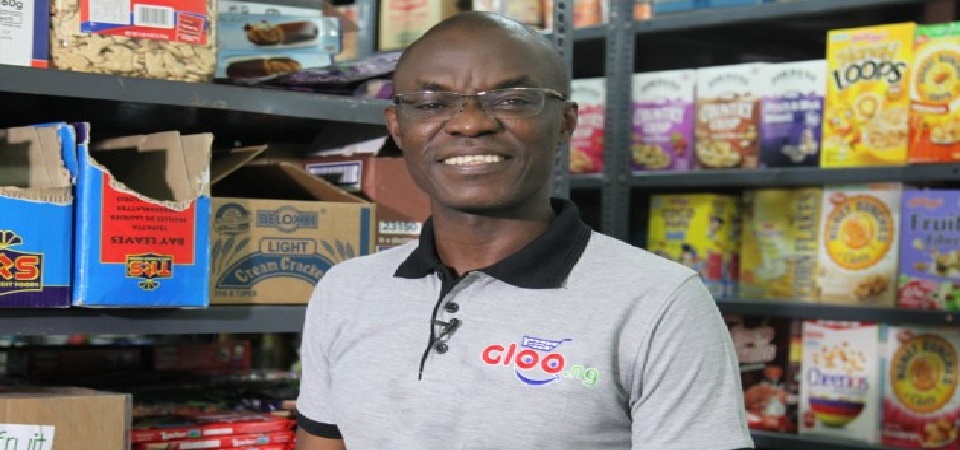
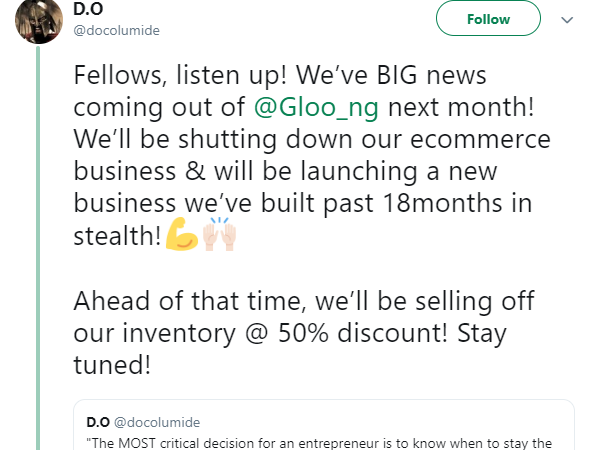
The CEO of Gloo. ng, Olumide “D.O” Olusanya, has published a Glootian Response after his ecommerce operation failed and he pivoted the startup to something new. If you run or plan to run a digital business (and especially an ecommerce venture) in Nigeria, read his experiences. As he works on the clearance sales of old Gloo to make way for the new Gloo, Olumide is using the lessons from ecommerce to engineer a new dawn in his mission. He will find new markets and territories: you can learn from him.

What is the Glootian response to situations like this that is seemingly unresolvable and “impossible” to win? Was I scared? Oh, yes. Everything, I have in my life is ALL into PayMente Limited, the corporate entity behind Gloo. I sold ALL my assets and cash from the previous cash out I had had from my previous venture two years before Gloo to fund Gloo.ng’s Pre-Seed and Initial Seed until I had liquidated every single thing I had as networth that could be liquidated before seeking external funding. Plus, three months in, I had asked my wife to resign a very lucrative job to join me in building out this vision. So, ALL the source of income for my family therefore came from Gloo.ng. At this point Gloo.ng had not been able to pay me a salary for over 8 months! My battle-hardened management team, including my wife, had only been drawing half of their paltry salaries for the 8 months! All of them with wife and kids of their own and were as well the primary income earners for their respective families. I had a son who had not asked to be brought into all of these. I was 45years old and pretty much consider myself “unemployable.” So, yes! The fear bubbles up. But I knew and had internalised how to USE it…how to channel it. But my biggest success was that I had replicated this mindset and internalisation in my management team and even the junior staff such that we did not lose a single staff at that perilous time when Konga and Jumia were laying off as much as 60%-70% of their staff. My team rallied! Like the Glootians they are!

Nigeriaâ??s Ecommerce Startup, Gloo .ng, Fails

He saw customers “glooed” to the service before that was not just enough. Then he pivoted, and numbers are moving north. I am sure these new customers will be “super-glooed” now.

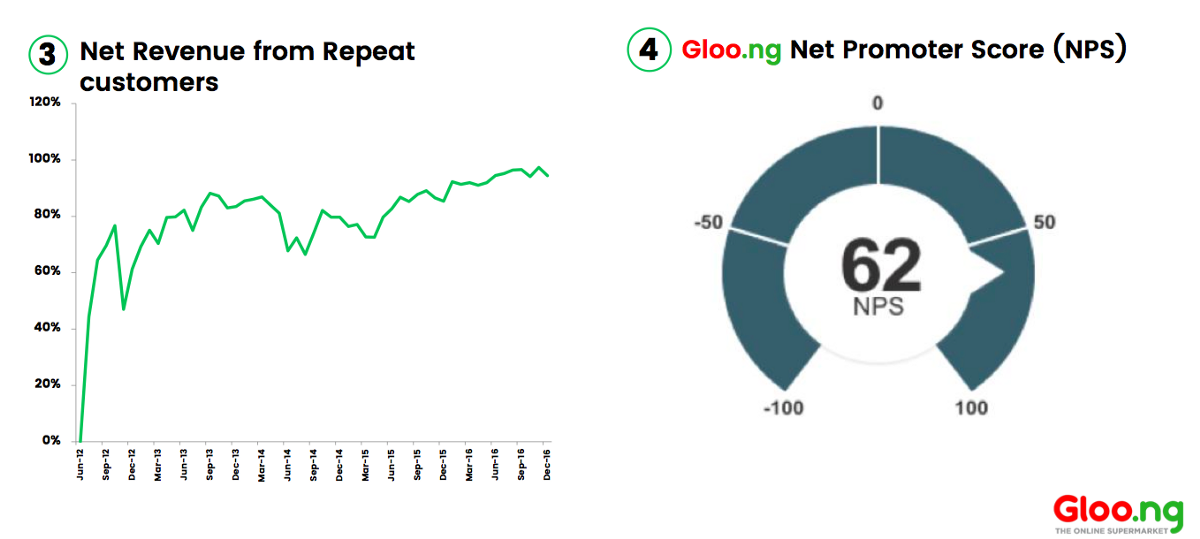
The fact that customers loved the service translated into our numbers in the level of increasing basket sizes they were increasing trusting us with as we expanded into adjacent categories like cosmetics, electronics and white goods, etc, for which our core customer demographic of busy homemakers still controlled the buying decisions in their respective households.

Gloo numbers are looking good after the pivot

Just Accepted Invitation To Attend Vivatech Paris – May 16-18 2019

0

I have accepted the invitation of one of the largest global corporations to serve as a technology thought-leader in one of the most important events during Vivatech. Vivatech takes place May 16-18 2019 in Paris, France. So, I will be in Vivatech this May. Last year, 100,000 people attended Vivatech.

VivaTech is the world’s rendezvous for startups and leaders to celebrate innovation. It’s a gathering of the world’s brightest minds, talents, and products taking place in Paris on 16–18 May 2019.

From top speakers and exhibitions to open innovation and live experiences, VivaTech is a celebration of today’s innovations and tomorrow’s possibilities for everyone who believes in the power of technology to transform business and society

New Food Show Merges Science and Technology with Age-Old Traditional Diets with stunning results

0

By Deborah Ogwuche

In the 1940’s, nestle successfully carried out a marketing campaign that baby Formular was more perfect than breastmilk because it was more fortified. Time-tested research and science have now proven otherwise.

What’s different about your food show is a question I get asked every time!

This show is for Komla Dumor, Col. Adkins and Sergeant Dikko (not their real names).

On a cold starry night in my living room, I watched the BBC news anchor present the news. It was the last time I would see him alive. The reason for his demise left me with unanswered questions. How can someone who was the picture of health and fitness develop cardiac arrest? I thought only obesity, lack of exercise and an unhealthy diet caused cardiac arrest? For a long time, my questions were unanswered.

Okay maybe I didn’t know Komla Dumor well and his dietary and physical habits- he was simply a favourite news anchor, but I knew Dr. Matthews Akingbade (not his real name) down to his routine plus what he liked for breakfast. Dr. Matthews finished his PHD with rave performance from the Loughborough University Uk where he also completed his Masters degree.

An impressive hulk of a man- tall, huge and muscular, he never let a morning pass without going for a run. He also loved playing basketball. He had a lot of exciting things to look forward to in his life. He got a job offer as a lecturer from the Covenant university and was preparing for his wedding later in the year. He was in great shape physically too.

Two weeks after he took the offer to lecture, that morning as he had always done for many years, he went for a run. He came back, took his bath and was about to button his shirt when he slumped. His death prognosis was heart failure. The story is similar for Col. Adkins and Sergeant Dikko who was my neighbour. Both men physically fit and in their prime cut down by heart failure.

What was responsible?

Why is heart disease and physically debilitating illnesses on the rise even with advancement in technology and medicine? In the United states alone heart disease is the number one killer of men and women up about 500% in the last century. It isn’t just the statistics that’s changed, everything about our way of life has changed down to our diet. The food that’s helped keep ancestors healthy and strong has been modernized, over-processed and oxidized and rather than nourish us, it’s killing us.

In one of our episodes, we analyzed how eating Akara can predispose you to having cardiac arrest. The fact is the oil the Mai Kose woman uses to fry akara has been oxidized into BIOFUEL from constant frying and use. But many people do not know this. The point is not staying away from eating Akara but using safe healthy oils.

What constitutes a healthy oil? The answer is not what you think! The fact is the vegetable oils (whether packaged or not) you find around are not safe either. They contain Poly unsaturated fatty acids (PUFAs) that are easily oxidized into compounds not found in nature when exposed to heat.

According to Dr. Spiteller, a World renown lipid scientist, processed poly unsaturated fats not saturated fats (like animal fat) or cholesterol are responsible for stiffening of the arteries throughout the body.

The French diet is very rich in butter and meat but is adjudged one of the best diets in the world with few risks of heart disease or heart attack.

Margarine by the way contains up to 40% transfat, a component that causes hardening of the arteries. All products that contain transfat have been banned in the United Kingdom

Our show is not here to disrupt trends or make bogus unfounded claims. If we make any claim, it is backed by scientific evidence. We are simply here to encourage the preparation of our traditional cuisine with an education on its benefits.

For example, in another episode, we explore the processing of Amala with a scientific lens. Amala is made from yam flour with its starch converted to a rich blend of complex nutrients and minerals through fermentation. It also contains very healthy probiotics that are beneficial to the gut and aid vitamin absorption in the body. Who knew yam could be so rich?

In the pilot, we analyzed the usefulness and benefits of using bone stock in preparation of a typical northern diet called miyankuka. Contrary to popular belief that bone stock was primarily used because meat was unaffordable in preparing the dish. Science is on our side because the bone stock used makes the soup a nutrient dense food that contains important bone building nutrients like calcium and the youth serum called collagen. In fact, arthritis patients will find the dish extremely beneficial for joint lubrication and in reducing inflammation.

I suspect our northern ancestors knew this for a fact all along. Therefore, this show is important because our aim is to show through science and culinary skills, traditional diets that benefits us and why we should bring them back into our kitchen.

Do you know that skin inflammation like acne and eczema are primarily caused by inflammation caused by diets that contain PUFAs?

Everyone seem to have an opinion about food whether it is scientifically proven or not. But our show will educate people on myths and truths about diet.  This is personal for me because I have had my own share of ill-health. At 32 weeks of pregnancy, I was diagnosed with having an irregular heartbeat and was placed on medication till delivery. After I had my baby, I noticed severe skin inflammation that manifested as pus producing, scratchy acne and eczema.

Everything the dermatologist prescribed didn’t work including changing detergents to using none. My new baby too had eczema and it was clear, what was going on in my skin was from within. Desperate, I delved into research and got me on my journey towards learning about food. The more I learnt, the discovered, the more I realized what I knew about diet was as obsolete as it could get. Of course, I was eating all my veggies without fail.

I found that healthy wholesome diet goes beyond eating veggies and avoiding fried food. And with some changes, the inflammation stopped, eczema cleared, and my health overall got better. I have not taken another heart medication since. My Cardiologist is surprised too. I consider myself lucky and blessed!

How many people will be lucky as I was to find the answer? Or how many will go on battling inflammation, allergies and skin disorders before they morph into more life-threatening health issues as it was in my own case? Maybe it is time to have a rethink about diet. The good news is, our foods already have so much of the good stuff. We just need to know how to harness them to give our bodies the optimal nutrients it needs.

This is what the Foodees Corner show is all about. It is time to bring back our wholesome age-old diet and say goodbye to the new untested and unrecognizable modern culinary trends that have so far done more harm than good. It is time to learn the art of cooking the ancient way.

In one sentence, the Foodees corner show is about using ancient culinary traditions that have been proven by science to promote optimal health and nutrition.


Deborah Ogwuche is a Content Producer and Chef

Qatar Gives Airtel Africa Another Truckload of Cash

0

As I have written many times, Airtel Africa is doing all to win Africa. With asymmetric Jio success, India is largely out of reach. Yes, the future of Airtel, the Indian telecom giant, cannot be decoupled from Africa. To win that competition, Airtel needs lots of cash. And it has been collecting them after that transformation where it became a quasi financial institution that offers telecom services. Besides the $1.25 billion it picked from many investors including SoftBank and Temasek, in October 2018, it has added another $200 million this year, from Qatar Investment Authority.

Airtel Africa, a subsidiary of Indian telecommunications company Bharti Airtel which services 15 African countries, will receive an investment of USD 200 million from the Qatar Investment Authority (QIA) through a primary equity issuance in the company.

The funds will primarily be used to reduce Airtel Africa’s debt, which currently stands at approximately USD 3.7 bn, and in the process also strengthen Bharti Airtel’s consolidated books.

“We are excited to welcome Qatar Investment Authority as a long-term strategic equity partner. This transaction will not involve any sale of shares by existing shareholders,” said Airtel Africa according to The Economic Times, India. “The QIA said it looks forward to supporting Airtel’s vision in building a world-class business in the African continent.

Why Airtel Nigeria is Growing

This will all work out as I have predicted: immersive connectivity in Nigeria by 2022.

SpaceX Starlink Will Unlock Immersive Connectivity in Africa

One Way of Managing Your Entrepreneurial Risk in Nigeria

0

For Nigerian entrepreneurs, it is a future-proofing strategy in a nation where policies are unpredictable: run multiple businesses at once. Yes, they might have taught you in a foreign business school to develop and accumulate capabilities in specific areas, and then use the concept of core competency to win a specific business category. Those things work in America and Europe; you have no luck in Nigeria if you just depend on them over an extended period of time.

Companies must develop and accumulate capabilities in order to compete in the marketplace. In this video, I explain how any firm can do that and why accumulating capability is very strategic. From Google to Dangote Group, when companies accumulate capabilities, they see themselves operating in the segments of markets with higher value (usually upstream) compared with where their competitors operate (usually downstream). Dangote Group can deploy massive assets and technical know-how in cement production, making it harder for new entrants and rivals.

Here is the deal – it is either you quickly do vertical integration or branch into new areas. Take an example: for years now, solar panel installation has been rising, drawing many players into the sector. Now, government has remembered it for additional revenue, increasing tariff on imports by 5%. But if you check around the world, the trajectory is actually to subsidize and make renewal more affordable for the citizens – not in Nigeria. Largely, I expect some foreign investors to be concerned on that 5% tariff move, possibly cooling the funding effervescence we are witnessing in that space. If you had banked solely on solar, this change should be a concern.

Then enter into rice farming because one government is all in to help rice farmers. Wait for few years, another will come and abandon the plans. From agriculture to education, there is no way you can see stability to actually invest all your energies in one thing. Doing that is sheer stupidity, in Nigeria.

Do what the legends do – they spread across sectors, hoping that no matter how the wind blows, they would be fine. Ovia, Elumelu, Dangote, Rano, Kanu, etc all have businesses that cut across sectors. Yes, they are not conglomerates by choice: they want to hedge risks in a market no one knows its tomorrow. If you hit one sector, they will be fine with another. So, technically, they will always be fine.

Summary and Analysis of Dangote Presentation at 2017 Elumelu Forum

Please note that you can be in one sector and still manage your exposure by vertically integrating your business: you bring most of the things others do for you in-house. For example, the Indomie Noodles maker does internally most important things in that business, and using the One Oasis Strategy can make money in most of the supporting investments if they want. Largely, if they open their FMCG academy, it will find more students than most business schools in Nigeria. My point is this – Indomie Noodles maker can sell excess power if necessary to mitigate slow sales during recession because it has one of the largest power generating plants in Nigeria.

The same applies to Dangote Group which commands, independently, at least 50% of the total power distributed in Nigeria. Simply, Dangote Group is the largest distribution company (Disco) in Nigeria; that is another business within a bigger business! As it throws all the risks, it is always ready for any wind that blows in the economy. But if you just do one thing as they do in U.S. and Europe, one policy will knock you out!

How To Beat Dangote Group: How Indomie Noodle Did It


LinkedIn Comment on Feed

CommentEven though there is merit in this analysis Ndubuisi Ekekwe , i am not really sure if this is unique to Africa and if this approach follows your concept of sustainable and long life companies which Africa needs presently. We have less speciality companies who can compete in the world,because we keep jumping into numerous fields as companies. I would say,its a problem and needs a solution,rather than an acceptance….

My Response: I am not sure how you can solve it; as a business, you work with what you have. At national level, it is an issue. But at personal level, you need to have options. Read our national priorities, they change radically every 4 years depending on who is on seat. But America knows where it wants to be 30 years now and companies can plan into it.
While I do not like the multi-hedge, that is the best way to plan. Also, note that most sectors are small which means growths cannot just keep happening. Nothing says you cannot do this and be sustainable!
Dangote Group may not see lots of growth in flour. But if it stays #1 there, it can increase revenue via cement. Then rice farming. You may think it may just focus on flour. But 100% of flour market share is simply small for it. Contrast with U.S with bigger markets where even being #3 is a huge deal in some sectors. Until we have an integrated bigger African economy, it makes no sense of getting that over-focus.

NB: Post written for those who have succeeded on something, not for entry-level entrepreneurs who are yet to thrive on anything.