The world is full of abundance but accessing that abundance is unequal. From the lagoons of Lagos to the Java Sea near Indonesia, from California deserts to the Everest of Nepal, I see abundance everywhere. Yet, poverty is not yet in museums. They live with us! People, our generation has obligation to build a more hopeful, more equal, and more abundant future for ALL.
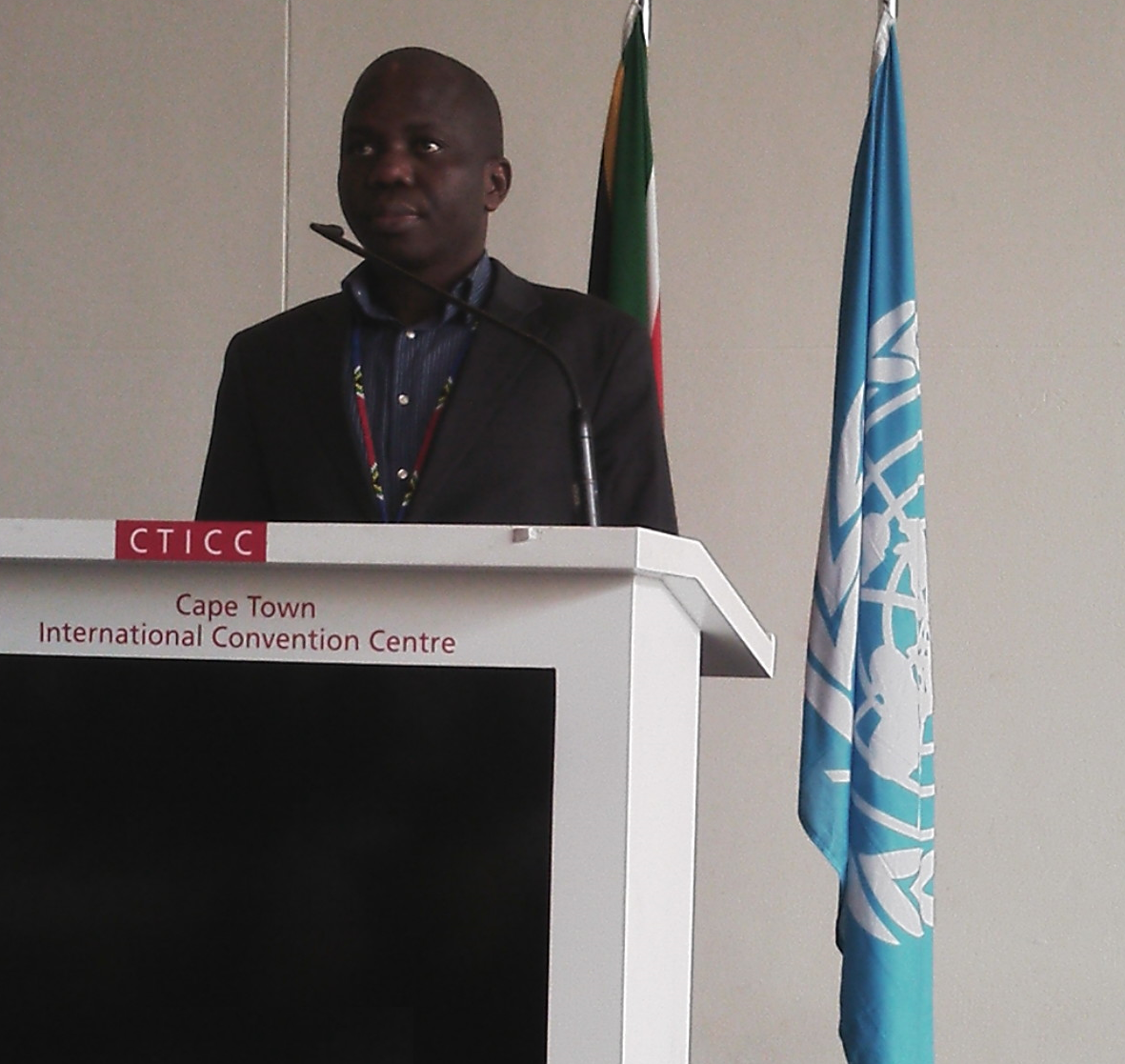
United Nations PAGE Conference, South Africa today.
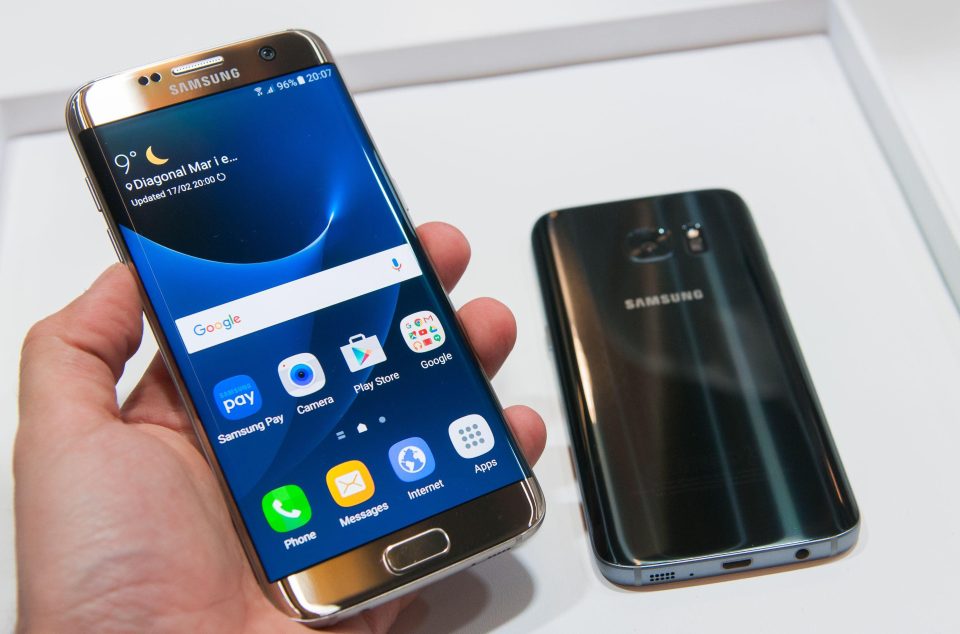
It seems there are huge challenges across markets last quarter: Samsung is providing a depressing guidance. The semiconductor giant noted that its fourth-quarter revenue shrank 11% and operating profit declined 29% from the year before. It explained that slow demand on memory chips and “intensifying competition” for phones were to blame. LG was not spared: its profits plummeted 80% with revenue down 7%.
Samsung Electronics Co. expects its fourth-quarter operating profit will decline 29%—surprise guidance that fell far below analysts’ estimates—in the latest sign of challenges hitting the tech industry.
The world’s largest maker of smartphones and semiconductors said its estimated profit decline comes “amid mounting macro uncertainties.” The Suwon, South Korea-based company pointed to “lackluster demand” for memory chips and “intensifying competition” in its handsets business.
So, the challenges noted by Apple CEO Tim Cook in his letter may not be just Apple; this seems like a big-brand problem. Most affordable device brands have gotten so well that people have real alternatives as they work to save money. Samsung captures that excellently when it noted that “intensifying competition” in its handsets business is a key reason its revenues and profits are dropping.
Do not look far: the Tecno phones of this world are part of this redesign. They give you fair quality on price, and you can just live with them, sparing you from the overpriced brands and their fashionista troubles.
Apple pivots into a fashion company, in the likes of Louis Vuitton, with the launch of iPhone X today. It costs $999, heavy on fashion elements, but hardly moves the technology trajectory. But that does not matter, because it is Apple. The world will cover it for free, and Apple will enjoy a great earned media. From CNN to NBC to Nigeria’s AIT, the message will be the same: there is a new product from Apple.
This is all good as I expect the next generation of iPhone and Samsung Galaxy to be priced for the earth and not galaxies. As that happens, they would bring competition back to the affordable brands like Tecno and Infinix. And at the end, customers win, and phone-anchored mobile internet revolution continues in places like Africa.
No nation has any competitive #4 mobile carrier: two strong leading operators are typical. But in some cases, you can have a forceful #3. But anything beyond #3 is forgettable. Nigeria will not change that until we have billionaires who can buy English ball clubs just to tell their friends: “My boys will play tomorrow, come over to my booth”.
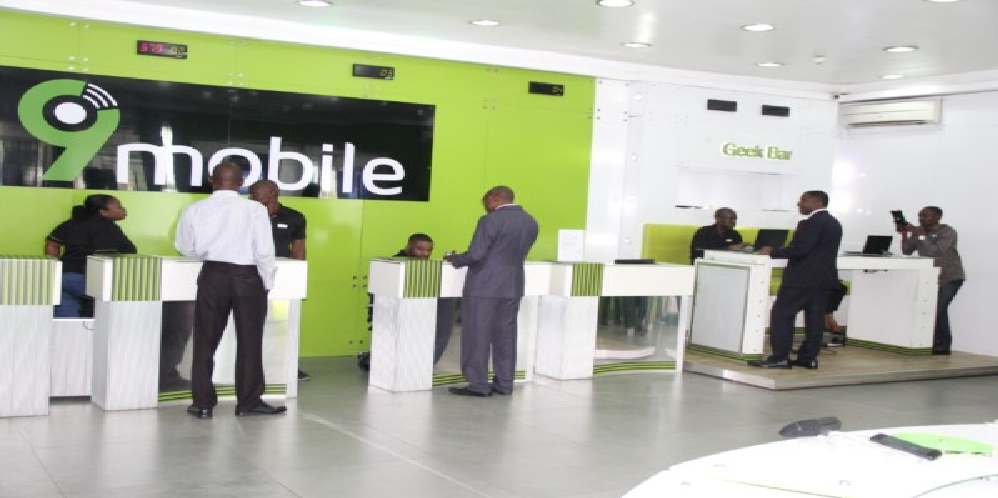
Yes, Teleology Holdings which received approval to take over the operations of 9mobile as the preferred bidder has pulled out of the deal. The Founder of Teleology Holdings Limited, Mr. Adrian Wood, the pioneer CEO of MTN Nigeria, released a statement, noting: “We now must stand down from further work on the 9mobile project.”
Barely, two months after Teleology Holdings received approval to take over the operations of 9mobile as the preferred bidder, Teleology Holdings has expressed its dissatisfaction with the business relationship with its local partner, 9mobile Nigeria, and has decided to pull out from the 9mobile project, THISDAY has learnt.
[…]
“Fifteen Teleology experts have worked since June 2017 on detailed 9mobile turnaround planning, development strategies and financial restructuring. This included lining up more than $500 million fresh direct foreign investment from international institutions.
9mobile is an exciting opportunity to build a revolutionary mobile network that could be the pride of Nigeria, unfortunately it appears that we will not be able to participate,” Wood said.
Wood added that: “We now must stand down from further work on the 9mobile project.”
As I write this, Glo will be preparing a term sheet. Why? 9Mobile cannot even afford to pay its infrastructure service provider, IHS, which has approval of NCC to disconnect the mobile carrier. When you have huge debts you cannot service, have suppliers you cannot pay, and have lost 7 million subscribers in two years, you are not likely to live longer. I think Glo will end up picking 9Mobile as I had expected. You may ask – why not MTN or Airtel? Answers here.
In this videocast, I make a case why Globacom, the operator of the Glo brand in Nigeria, will acquire Etisalat Nigeria, in 2017. Etisalat Nigeria is in a very challenging position to pay back about $1.2 billion loan to a consortium of banks. In the current market dynamics, with deteriorating ARPU (average revenue per user), it will be extremely difficult for the telecom company to meet that obligation. Glo has liquidity, relatively, and is owned by a respected businessman (Mike Adenuga) who can raise any capital required to close a deal. Glo needs to close its subscriber gap with MTN which enjoys more than 20 million extra subscribers.
I just made it into South Africa, the land of Mandela, and the most hopeful of the hopefuls, south of Sahara. I was here six times last year, and beginning the African voyage with it. It has energy despite the paralyses it confronts.
As my friends joke here “I hope one day I will visit Africa”. I smile because for most, they do not think they are in sub-Saharan Africa (infrastructure wise depending on where you live) because if someone blindfolds and drops you in downtown Cape Town, you may think you are in San Francisco!
Nigeria has work to do – South African infrastructure excites.
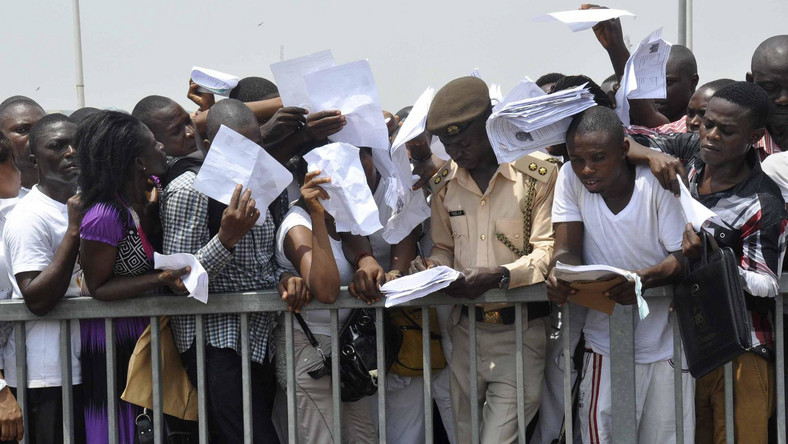
In Nigeria, there is one web business category that looks simple on paper: building and managing a career website. Yes, with unprecedented unemployment paralysis, the thinking is that having a career website will be a solid venture. But do not be deceived: there is nothing harder than helping people find jobs when there are no jobs.
Nigeria is an employer-market, and by that I mean that employers do not really struggle to find people to hire, provided they are not going esoteric in their Missions (no building of rockets, breaking DNAs, etc). If the mission is the typical – banking, retail, insurance, etc; there are many people ready to help. But where you do not get that, you jump in. Another company is exiting: Naspers’ Careers24 Nigeria is closing.
Media24 is shutting down Careers24 in Nigeria over stiff competition
Marc Privett, Head of Careers24, says the company will continue to service existing clients and honour all current commitments in Nigeria until March 2019.
Careers24 was launched in February 2014 to battle the job market with Jobberman and others but unable to survive in the Nigerian market.
[…]
Ishmet Davidson, CEO of Media24, said, “Like any other business, we regularly review our portfolio of print and digital brands, products and services – some flourish, others battle.”
“Thus the decision to close Careers24 Nigeria, which unfortunately hasn’t managed to gain the expected traction in that market.
Careers24 is owned by the most capitalized company in Africa (Naspers), and could have been kept alive with more injection of capital. But doing that is throwing good money after bad one. Thriving in that sector, globally, has typically correlated with improvement in economic systems. It is not about nice website!
Yes, many job seekers would come to the site, but where are the employers, in Nigeria, to deal with the frictions they expect to be fixed? Unless the site can deliver that, they would give up over time. Simply, the biggest path to success is availability of jobs, and when those are not available, career websites struggle.
Largely, unless you are building rockets or reconfiguring human DNAs, finding people to hire in Nigeria is not extremely hard. The opportunity pyramid narrows rapidly with experienced people being cut-out with no alternatives in a small economy with so many people. Take this comparison: the size of U.S. population to Nigerian population is about a factor of 1.5. But the size of the economy of U.S. to Nigeria is about 36.
So, career websites typically struggle to justify for hiring companies to pay them to find employees which are readily available. And because most of the people looking for jobs do not have capacities to pay the career websites, most run into serious revenue paralyses. And when you add LinkedIn, the aggregator, the roadmap looks challenging.
Think very well before you sojourn into a career website business in Nigeria: Jobberman has picked the best pieces in that space, and LinkedIn has closed the remaining. It would be a struggle for others.