DD
MM
YYYY

PAGES

DD
MM
YYYY

spot_img

PAGES

Home Blog Page 7108

I Am Here [Prayer]- by Ndubuisi Ekekwe

0

Father, thanks for today

As you send your angels

In the deepest of nights, and brightest of days

On assignments to bless men and women

I am here.


Father, my door is never locked

It opens to abundance and blessing

My address is the Lord’s Vineyard

There, I am – always

Angels will always find me.


Father, out of the miry clay

I’m in your pasture

In your Seal, men find me

The rivers of breakthroughs flow.


Father, thank you, for the grace

The amazing grace, the abiding grace

In the waters, air and minds

You’re Lord.


Father, I adore your Words

Knowing them, I lost my keys, years ago

And my heart is always open

I am here for more – blessing.


by Ndubuisi Ekekwe

I wrote this in the Church today. A visiting Bishop from North Carolina was just introduced. He noted that he would speak on the relationship between the Church and pastor [our pastor is celebrating two years in the Church]. As he got ready to preach, I put these lines to also appreciate my own relationship with the Lord.

Ndubuisi Ekekwe Prayer , I am here
This piece as written while in the Church

Nigeria Must Invest to Develop Technology

3
Tecno Mobile

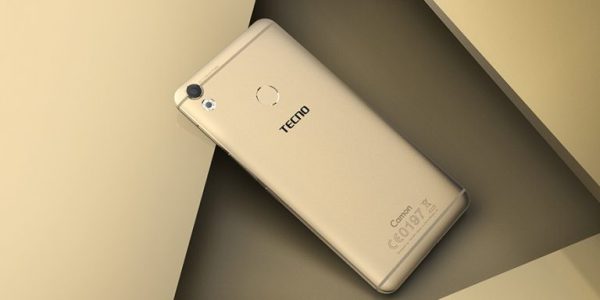
Technology companies like Tecno Mobile are thriving, and that is a good thing for Nigeria. Around the world, the battle of the new species, AI (artificial intelligence), would be fought on smartphones. Yes, phones are driving or anchoring or converging most of the key innovations in the AI world. From Google Assistant to Apple Siri, from Microsoft Cortana to Samsung Bixby, companies are exploring   how they could control the “phone mobility space” by putting supercomputers in our pockets.

Tecno Mobile is one of the fastest growing mobile device brands in Africa. It started business in 2006, in Hong Kong, and today operates as a subsidiary of Transsion Holdings. Tecno has won hearts with its balance on pricing and quality. It is a brand any mobile phone manufacturer that wants to sell in Africa must study. Today, the company competes for market share against Samsung in the smartphone mobile sub-sector. Apple is not necessarily in Africa to include it in any analysis. Blackberry is history!

Sure, these phones are evolving with tablets, smart watches and fitness systems emerging as varieties. But the evidence is clear: the conquest of the pockets of man would drive the progress on AI consumer business world. The mobile-world first is moving to the AI-world first. The impact would be huge, as big as the invention of electricity, as AI matures and reshapes industrial sectors.

One company in Nigeria leads the ecosystem into this mobile race. Yes, Tecno is the closest we can get into the engine of smartphones. But unfortunately, while Tecno has found success in Nigeria and beyond, Nigeria does not host the production of Tecno products.

Nigeria needs to find how it could help this company to make its phones in Nigeria. It would benefit Nigeria, because if Tecno succeeds Nigeria would do well, by participating in this new engineering shift. Just employing Nigerian engineers, and helping them to get into the real business of making these systems, would elevate our national competitiveness. Sure, we still need the salesmen which abound, but a real role in the design and engineering is urgently needed.

Apple is moving into AI-powered workforce with iPhone. But those are not necessarily workflows structured for Nigeria. In near future, phones would capture more activities we do – from organizing teams to filing taxes. Only companies with local elements would excel in those, for local companies and needs. The AI world is a world of data, and today Africa is not being carried along because we do not have main participants on the table.

The app is based on technology Apple acquired from Workflow, a clever — if somewhat advanced — task automation app that allows iOS users to combine actions into routines that can be launched with just a tap. Now, thanks to the Siri Shortcuts app, those routines can be launched by voice.

The Challenge – Tecno Mobile & Others

Certainly, there are many reasons why technology companies like Tecno may decide not to invest heavily in Nigeria. Samsung had made the point many months ago when it complained that Nigeria’s infrastructure was a huge challenge. We understand that and I will suggest a way out where Nigeria invests in these companies!

Sung noted the grey market which is a big issue in Nigeria. He also explained the poor state of our infrastructural readiness which would be challenging for an electronics company. Of course he did not forget the big one: return on investment. You can have returns in Nigeria if you invest minimally (just do business development). But when you invest big by building factories, you could lose all. That is really his message.

I do not expect the problem to go overnight, and we cannot expect Tecno to ignore it. But to have companies that can help provide platforms for Nigerian graduates to advance, Nigeria has to make tough choices: offer tax incentives for companies to invest in modern technology areas, beyond the pioneer status program.

How Nigeria Could Invest

Nigeria does not need to give any company money; we do not have enough. But we need to prioritize how to stimulate industrialization over short-term tax revenue. I do think that special venture capital and investment reforms should push companies to inject capital in Nigeria. Most mobile device makers are good investors on technology related areas. Yes, our reforms could stimulate Tecno Mobile and other players to seek and seed opportunities in Nigeria.

  • Government should offer new VC (venture capital) firms in Nigeria a ten year tax incentive on profits if they have asset base of at least $50 million and will deploy the capital in Nigerian startups within 10 years.

  • Offer new VC firms in Nigeria the opportunity to repatriate 100% of profit within ten years. That will help the country to attract foreign investors to make Nigeria home.

If we make this tax reform, you would be surprised how Tecno Mobile and other technology firms may be looking for some pieces of solutions within Nigeria for its phone systems. Yes, they would source and seed some Nigerian startups to feed them workforce, process systems and other necessary things that would help them make better phones with the Nigerian customers in their minds. But as it stands today, we are simply a sales point; that has to change.

All Together

As we move into the age of blockchain, mobile device makers would have key roles. The phone is becoming the convergence point for many computing users. Companies that can host where these devices are made, and the software that make them smarter, will offer many game-changing working experiences to engineers. Over time, those workers will depart, and then move into the economy to expand the space. The diffusion process will have catalytic impacts. This is important as Nigeria does not seem to have the resources to invest in the new sectors. We cannot just wait: we need to use different mechanisms to attract the companies of the future.

In the 21st century, every nation would be compelled to invest in the companies of the future. The key is making sure you get value for that investment. A smart tax system to bring venture funds into Nigeria could be a catalytic strategy for our nation. When we have such systems, it would mean that we are investing in companies like Tecno Mobile. Such enablers would help the companies advance the emerging technology firms in Nigeria and potentially seed a wave of local innovation.

*The use of Tecno is simply to capture the essence of indigenous mobile development capability. It could be any firm. Yes, Tecno may not be fully indigenous but it is closer to Nigeria than anything out there.

The Generalist Care AI Doctor Built on Blockchain

0
Care AI doctor

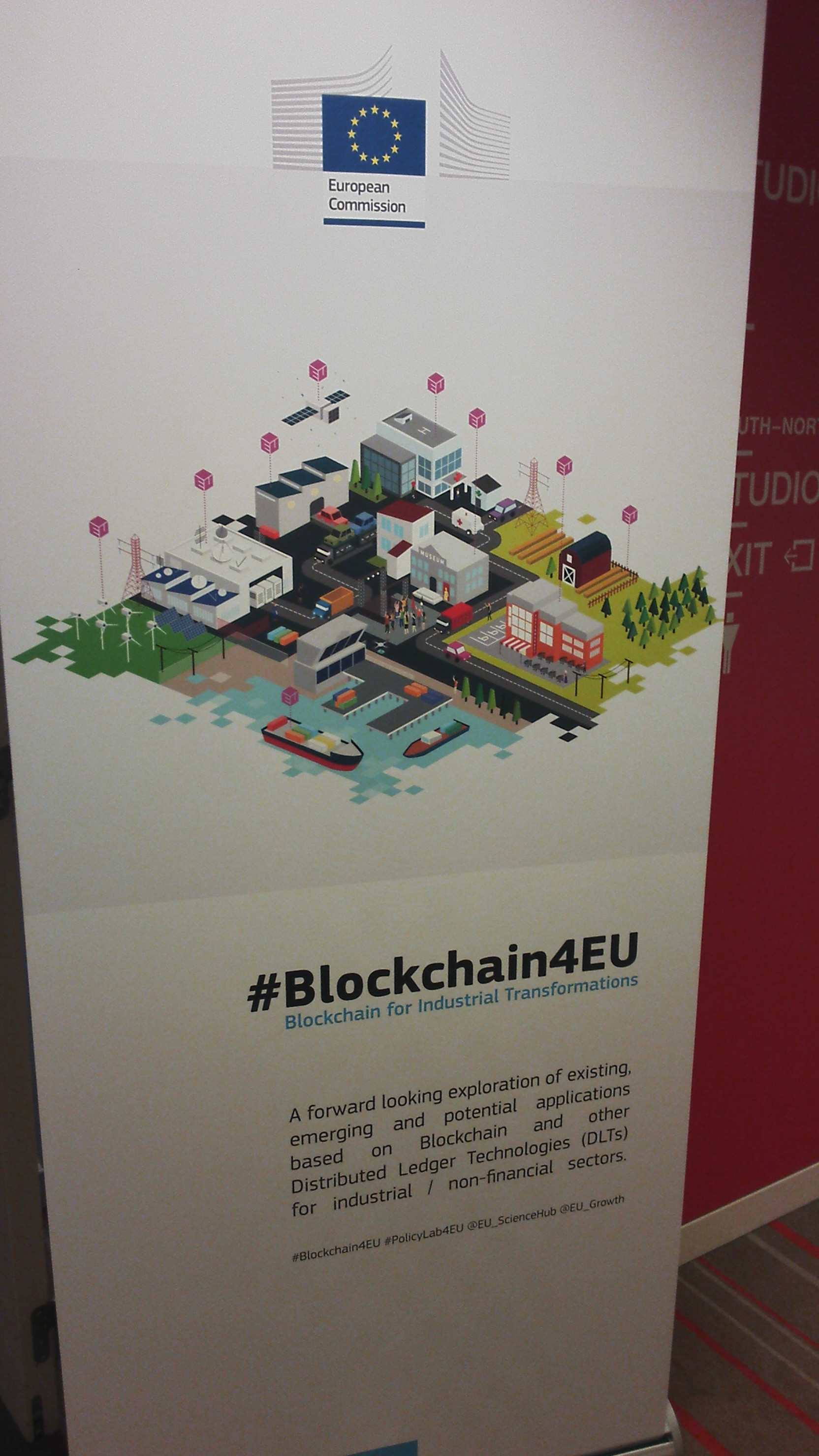
In one of the most advanced European Commission blockchain labs, I saw innovations of the future, in Brussels, Belgium: a generalist Care AI doctor built on blockchain. Two of my companies were invited:  Medcera, a healthcare startup, and Zenvus, Africa’s pioneering agriculture technology company which is deploying agro-smart contracts on blockchain. For Medcera, specifically, our vision is huge, and we are building extremely brilliant AI systems which could help deliver miracles through efficient healthcare systems in Africa.

Medcera is a web-based EMR (electronic medical record) and EHR (electronic health record) system with patient portal. It provides physicians and medical professionals with EMR/EHR and medical practice management technology that includes charting, scheduling, e-prescribing, medical billing, lab and imaging center integrations, referral letters, training, support and a personal health record for patients.

It supports large and small clinics, dentists, labs, pharmacists, and imaging centers to move their operations into the digital ecosystems where they can increase productivity, lower costs on medical information management, improve quality of care and employee/patient safety. Also, Medcera offers health insurance solution enabling integration of physician, billing, insurance, government receipts and other components of health insurance delivery in one system, at private and public levels. All Medcera systems run on the cloud with no requirement for any installation. It is supported with bank-level security

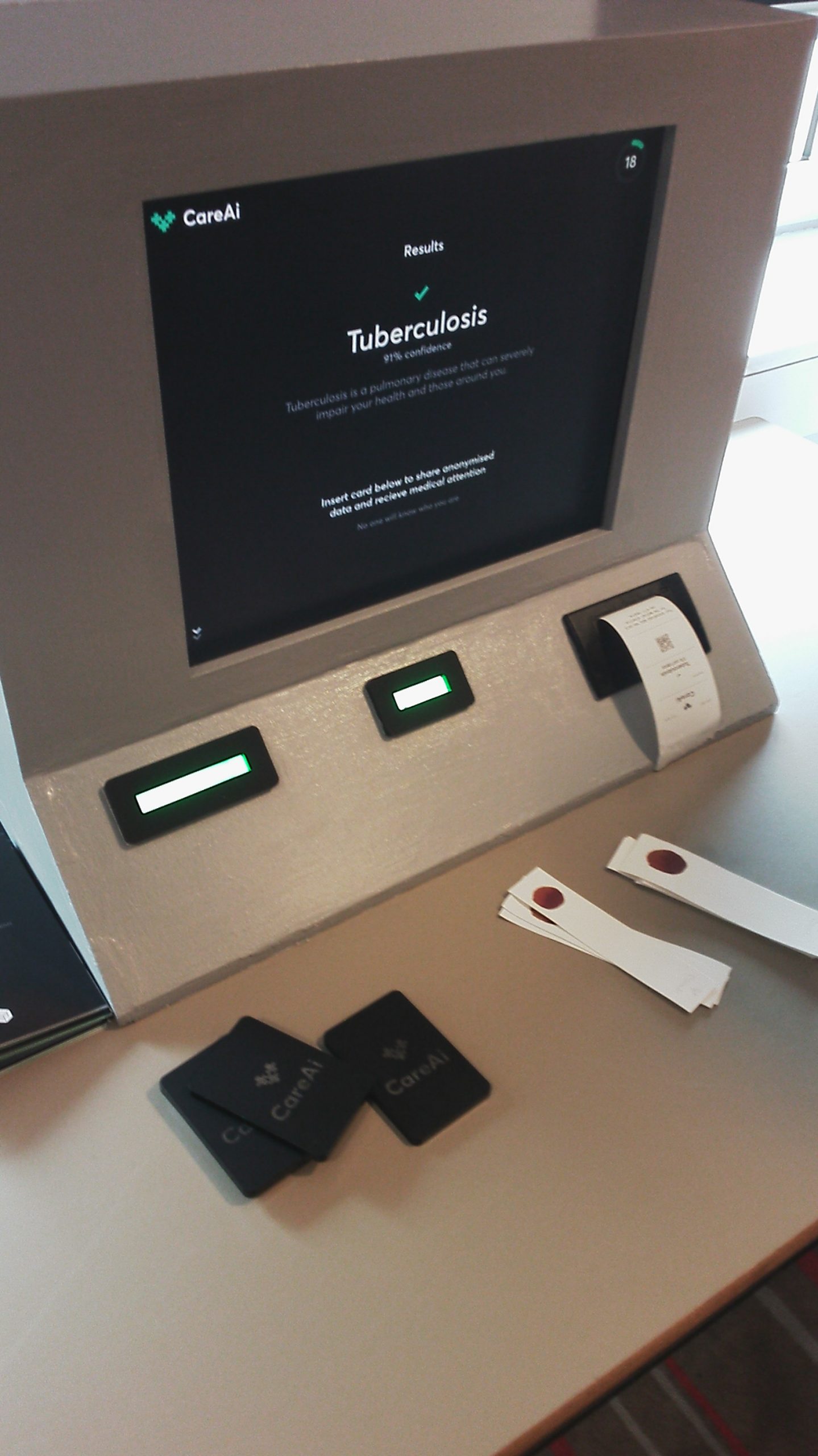
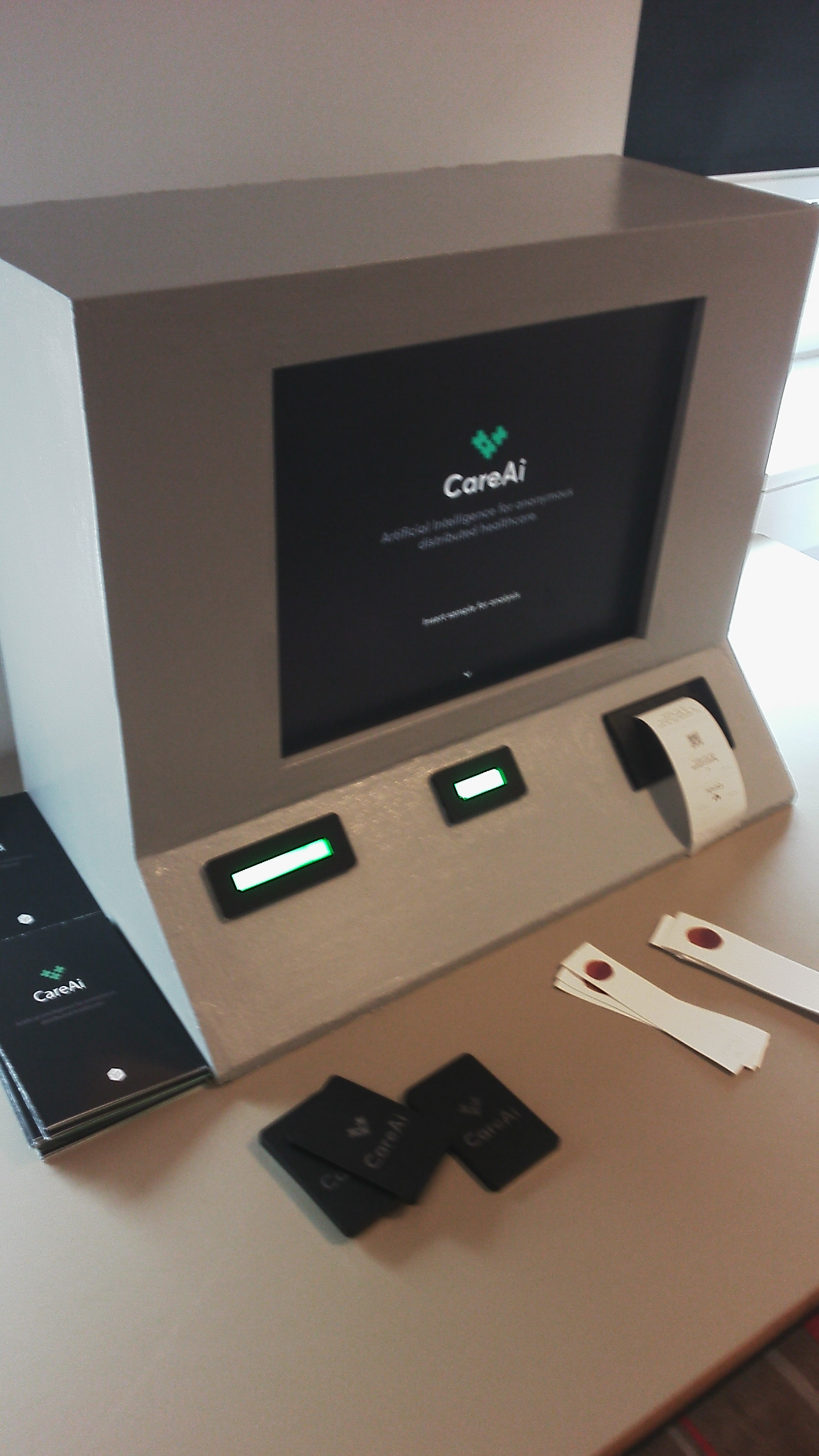
In this tour, I saw brilliant technologies, all anchored on blockchain. One was extremely impressive. It is called CareAi and what it does is mind-blowing. It is a computing system built on blockchain that can diagnose most population-health diseases within seconds.

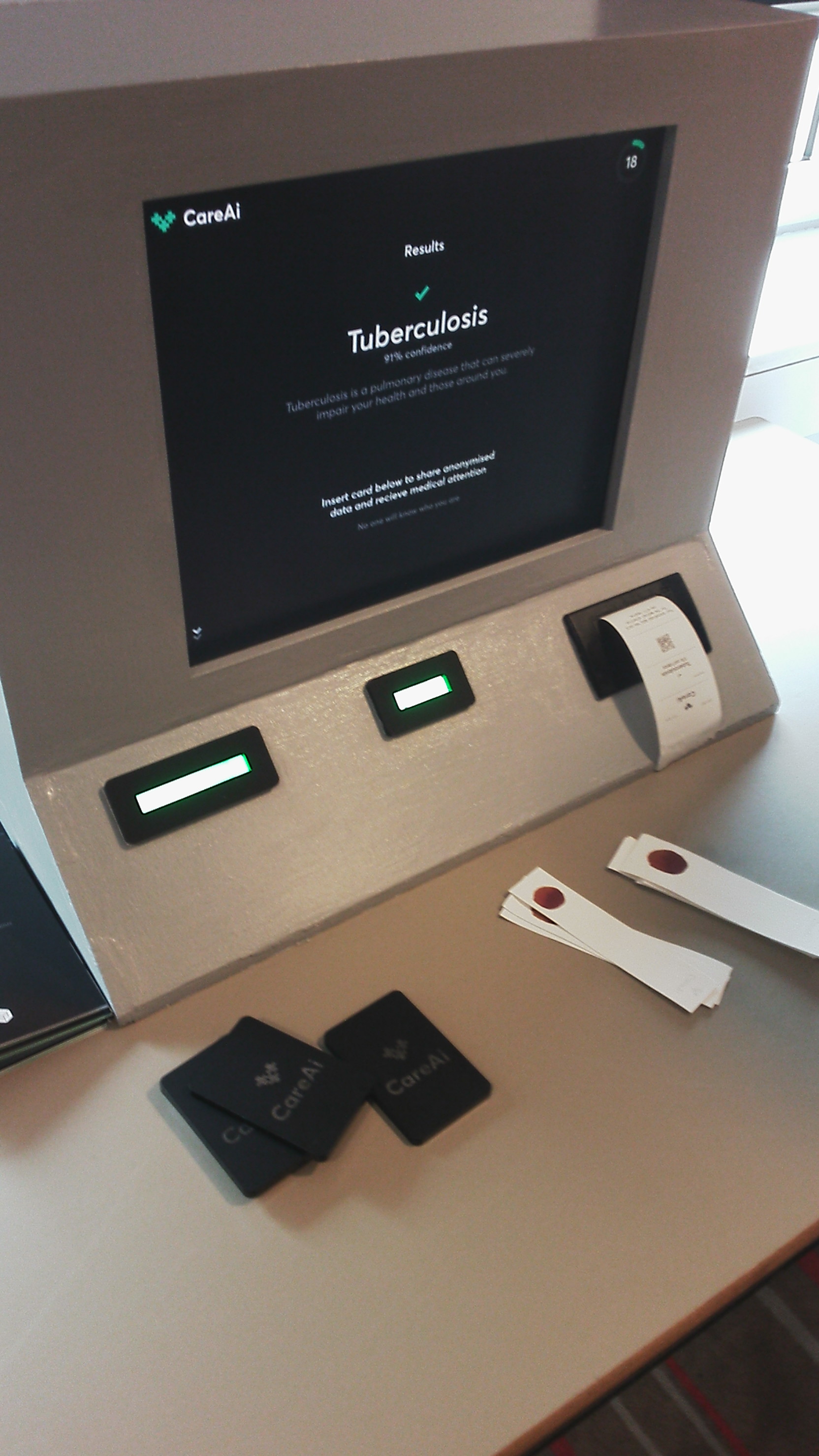
When you walk to the Care AI “doctor”, they would give you a sterilized needle. Find a way to get a very small blood from your hand. Soak it with cotton. Drop the cotton on a reader connected to the “doctor”. In less than 3 seconds, it would print the disease you have. You would also see the result on the screen. Where you have none of those diseases, the result tells you that you are clear.

CareAi

But to demonstrate what they are doing, they have some samples which were structured in a carefully designed way to avoid contaminating or infecting people. Once they do, you would see the disease on the screen. The sample for the demo I saw had tuberculosis.

Once the diagnosis is done, the system would move to the next phase: treatment. For that, the blockchain AI will tell you the treatment strategy, and then prescribe the drug, connecting you with the pharmacy where you can pick the medication. Once it finishes, it would charge the tokens tied to your account. (You should need to be registered in the system to use the production one.)

The diagnosis accuracy is close to what human doctors offer provided the AI has the disease models. Sure, it is still work in progress but the engineering is impressive. They do believe in 2-3 years, it would become smarter and better, possibly at parity with humans, in a generalist way.

The plan is to have this technology in rural areas in most developing world where people do not have access to doctors. Think of refugee camps. The AI has a way to let you know if you need to see a real doctor after looking at your case.

A technology like this could be catalytic for Africa. In Medcera, we would continue to explore partnerships under the highest industry-privacy and –security, to offer patients Autonomous Care where necessary. This would not take long but the condition-precedents would be solid patient medical records.

All Together

Certainly, we are going to see governments deploy technologies like this and install in markets and public areas where people can tap for their healthcare needs. It may find value in some remote areas in Africa. I am very sure that if the privacy elements are managed, technologies like this would save lives. Care AI is just around the corner and the advent of autonomous care would transform our world.

Care AI doctor


Towards Nigeria’s NairaCoin with Central Bank Support

0
NairaCoin, Bitcoin

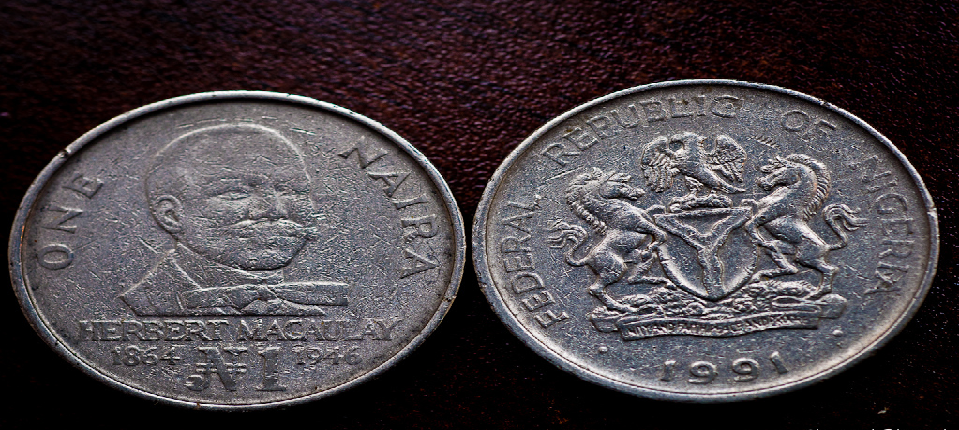
Rwanda has executed a very fascinating vision and in line with my proposal for Nigeria to have a digital currency (NairaCoin or any other name) that is tied to the Naira and under the supervision of the Central Bank of Nigeria.  In Rwanda, I&M Bank has partnered with a Norwegian fintech company, Blockbonds, to launch a blockchain-based banking application called SPENN. SPENN does digitize national currencies and makes it possible for bank customers to perform different types of cost-free transactions. It has digitized the Rwanda currency, making the Rwandan Franc the first national currency to be digitized. It also means that mobile money may fade and being replaced with blockchain digitized currency depending on how this evolves.

 As I noted, my preference is for the government to create our own cryptocurrency, NairaCoin, and tie its value to the Naira. I have a reason for that.

In commercial contracts which need to be insured, most times, you need to put monetary figures on them. If you have a contract that is created on blockchain and quantified in Bitcoin, in Nigeria, for the supplies of items and your partner refuses to do its part, after you have paid, you have to go to court to seek help. I do think most Nigerian courts may note that the Nigerian law does not recognize Bitcoin to assess the true value of that contract. In short, your partner can even countersue that the contract is voidable. Technically, you will have two issues to deal with:

You have to prove to the court that blockchain contracts are legally enforceable in Nigeria. I know of a time when emails were not admissible in courts. And banks would not accept emailed instructions or mandates

Overcoming challenges like this is the reason why SPENN is a brilliant idea and why Nigeria needs to consider NairaCoin. NairaCoin would help Nigeria in its quest for a cashless society as it would eliminate all the transaction fees which are common in Nigerian banking.

Blockbonds together with I&M Bank Rwanda, yesterday officially announced the rollout of the first blockchain based platform, SPENN.

The platform is a mobile banking application that will enable Rwandans to make a range of financial transactions.

SPENN was developed by Blockbonds, a Norwegian financial technology company that is working to formally financially include the unbanked population which remains relatively high in the country.

The application allows smartphone users to transact and pay for goods and services.

Unlike many other blockchain technology platforms, SPENN uses a different model whereby it removes the need for cash by digitalising national currencies.

With Blockbonds partnering with I&M bank, it means that they are the first financial technology players to digitalise the Rwandan franc. It also means that people, regardless of whether they are customers of I&M, can now own a SPENN account.

All services through the platform are free.

The brilliance of SPENN is simply digitizing the national currency and turning into a blockchain system. With that, blockchain-based transactions and contracts can happen without the regulatory quagmire of if Bitcoin or any of the other currencies would survive or not. Yes, there is a high possibility that a new version of cryptocurrency could evolve just as Google came and knocked out Yahoo on search.

If that happens in cryptocurrency, would the presently stored Bitcoin valuable? That is the risk of denominating deals on these currencies, outside the government regulations, because I do believe that out of the more that 1,300 cryptocurrencies we have today, more than 90% would fade within a decade. A national currency, in my opinion, remains the safest way for any nation especially in the developing world to get this right. NairaCoin will do that for Nigeria.

NairaCoin for Agriculture

Also, I do believe that Nigerian agriculture will benefit from cryptocurrency if it is correlated with Naira. Besides the quest for financial inclusion and cashless society, most customers are watching the bank fees. So, it is very critical if the nation can advance financial inclusion and deepen cashless society through a system where financial transaction fees are free. Sure, government is part of the problem with the new 0.005% levy on financial transactions in Nigeria.

I want to see the youth earning NairaCoin through supporting farmers. Yes, when you plow or till the ground, you get paid via NairaCoin. That NairaCoin would be correlated with other major cryptocurrency in the world.

All Together

We need NairaCoin as I have noted many times. Yes, simply create a Nigerian cryptocurrency backed by the Central Bank of Nigeria so that Nigeria has its cryptocurrency (NairaCoin) which is tied to the Naira. That will make blockchain contracts more efficient. The NairaCoin will maintain exchange rates with Bitcoin and others, just as paper Naira has with U.S. Dollars and Euro, while making sure that the paper Naira and NairaCoin are always correlated. The impact could be huge and the adoption would redesign industrial sectors since the banking fees will disappear for customers. NairaCoin would not be mined; it would be earned just as the paper Naira. Workers could select to be paid in the digitized Naira. Government can pay youth who are supporting farmers in different extension services via NairaCoin.

Why MDAs, Private Firms Shun Nigeria’s ONSA Cybersecurity Solutions

0
ONSA, national security adviser

Few years ago when the Office of National Security Adviser (ONSA) embarked on its endeavor to invest on cybersecurity solutions with capabilities to support government ministries, departments, and agencies (MDAs) alongside private companies, many Nigerians were concerned. Many noted that it was a very big mistake for the ONSA to think that companies would send their confidential data to a quasi “spy agency”. Interestingly, it has turned out that MDAs do not even want to support the ONSA solutions. You can download the National Cybersecurity Policy & Strategy here [those are the final versions excluding the signature of the NSA; they had sent me some copies then].

Office of National Security Adviser (ONSA) has expressed concerns over lack of interest by government agencies and private organizations to use its robust cyber security infrastructure for monitoring and securing their digital networks against cyber-attacks, Nigeria CommunicationsWeek has learnt.

Bala Fakandu, deputy director, Office of National Security Adviser (ONSA), said that there are huge gaps between government agencies and private organizations capacity to handle cyber-attack, noting that ONSA has overwhelming information generated through its deployed infrastructure to monitor cyber- attacks in the country which are not being use by the people.

“We have found out that Agencies are scared of using our robust cyber security infrastructure to protect and monitor cyber-attacks because, they feel that we are going to use the opportunity to spy on them,” he said

When they were crafting this, many people received the drafts, and sent comments to the government. It was also during the same period that they embarked on acquiring one-solution-fits-all cybersecurity technology which caused problems then. The Nigerian government had “awarded” about $40 million but the Israeli supplier in a press release “erroneously” celebrated it won $10 million deal in Nigeria [they later deleted the press release]. The contracts continued with the government focusing on tools and solutions over human capabilities.

Many experts had explained that it was an extremely poor strategy for government to invest on security at the level they had conceived the project. Typically, governments invest on peripheral defense – that means securing the cyberspace of Nigeria over securing intra-data used by companies and individuals. It makes sense to secure nodes and gateways that connect Nigeria to the external world – only government has the capabilities to do that. But it would be sheer stupidity to expect a bank to join on the illusion that government can secure its customers. Even other government agencies would not necessarily commit because digital data is really the business. If the government has access to it, you cannot predict how far it could use it!

Unless government is spying, legally or otherwise, it typically does not look at customer data. But to offer some of the solutions ONSA has, the likelihood of access to data is there. So, as the Director noted, the observation should not come as a surprise: no one will give its digital door key to government to secure its business.

Simply, the Director said it all – “We have found out that Agencies are scared of using our robust cyber security infrastructure to protect and monitor cyber-attacks because, they feel that we are going to use the opportunity to spy on them”.

Lesson on Market Study:

This is what happens when you do not do market study. Had they done one, they would have noticed that no company would hire government to secure its data. They did not, and went ahead and invested huge money. As I note in this piece, governments are better on peripheral security, not helping firms on securing their customer data.