DD
MM
YYYY

PAGES

DD
MM
YYYY

spot_img

PAGES

Home Blog Page 7364

Lagos Taxi Drivers Complaining About Uber Are Examples Of Systems At Centers Of Smiling Curves

0

A new report by Premium Times where taxi drivers in Lagos are complaining about how Uber is killing their business provides a good example on how Internet provides growth and abundance, but yet left the players poorer. The drivers have a larger pool of potential customers, but yet, the value is not in the driving but in the aggregation which Uber provides.

Mr. Murphy, 43, explained that the activities of Uber drivers have been a source of sorrow for them as they no longer get patronage like they did in the past.

“If you notice, there are many taxis on ground here and their owners aren’t here. They’ve all gone home out of anger,” he said.

“Many of them have been here for hours without seeing any passenger; they had to go.”

Mr. Murphy, who claimed to have built a house from his taxi transport business, also lamented that the development has taken a toll on his responsibilities among family members and at the home front.

“These days, people I used to give N20,000 in the past would count themselves lucky if I give them N3,000.

“It has become so bad here in this park that in a whole week, it may not get to your turn to pick up passengers,” he said.

“That’s apart from the fact that we pay dues too. They tax us N200 daily and N1,000 weekly, despite the poor patronage.”

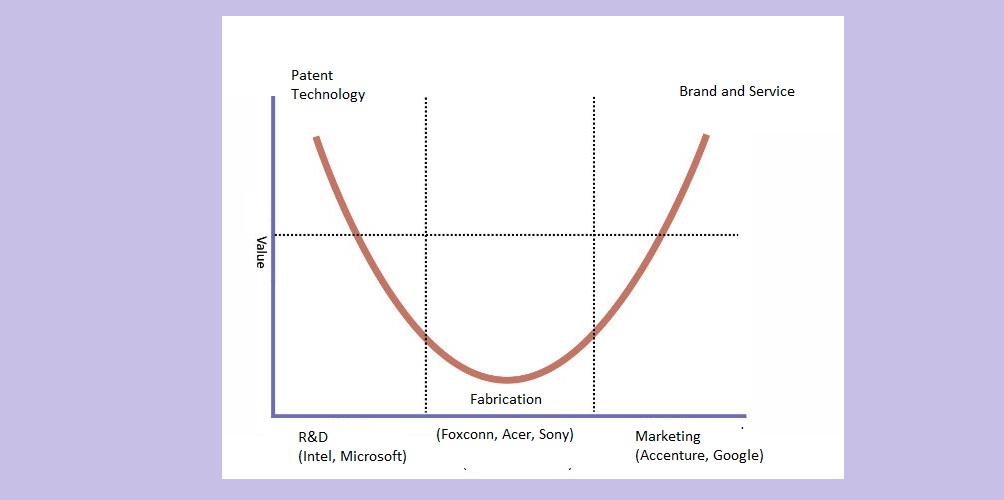
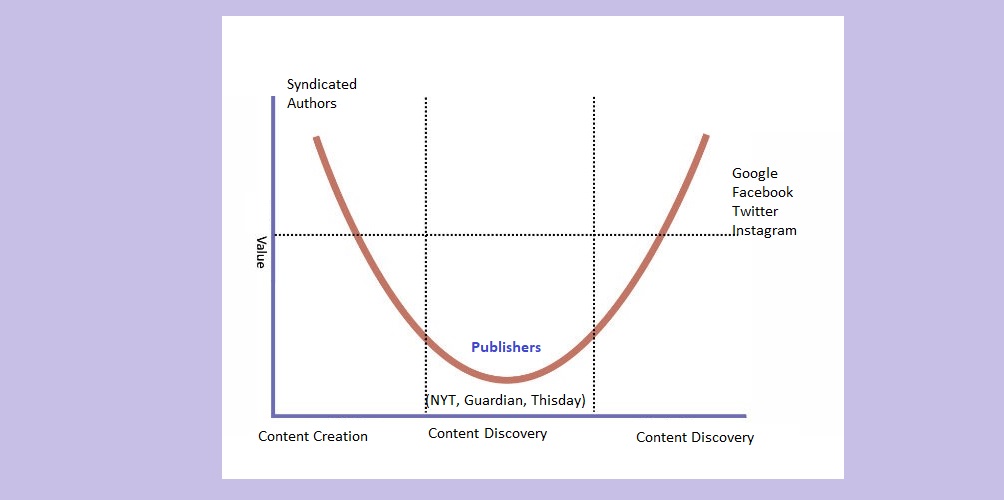
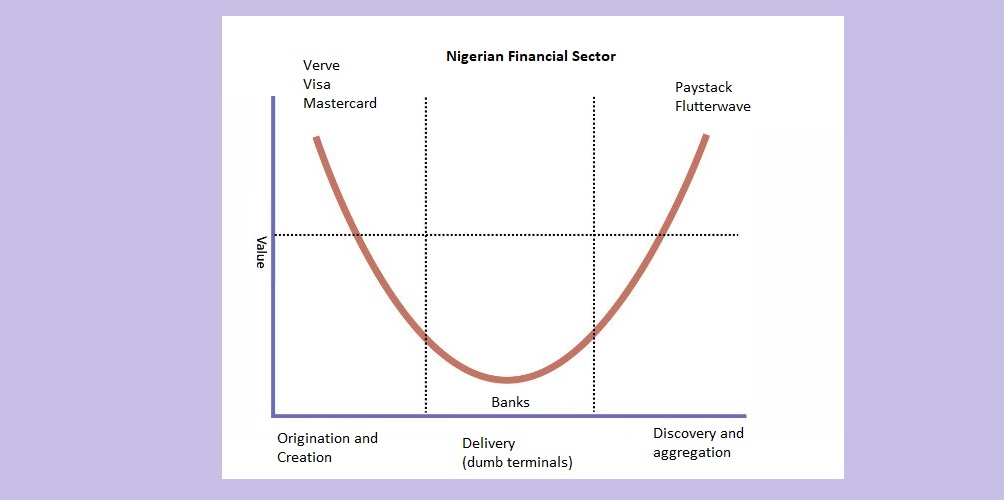
Uber as noted in this video is the aggregator, just as Google is to journalism. It operates and makes all the money. The taxi drivers are now delivery systems which get practically marginal value. You can also see this from the angle of Smiling Curves where Uber is at the edge making all the money while the taxi drivers are at the center for nothing. Both the Uber drivers and the traditional Lagos drivers are not going to be happy because Uber, through this abundance of more customers, is destroying the old value enjoyed by the traditional taxi drivers and yet is not efficiently (in money terms) transferring the value to their drivers. So every driver is unhappy. This means that, even in abundance, Internet does not always create value. It depends on where you are in the Smiling Curves. Watch the videos
The Law Of Diminishing Abundance Of Internet (Higher User Growth Uncorrelated With Revenue)

3

In this videocast, I discuss what I am calling the Law of Diminishing Abundance of Internet. It is a construct that some companies become poorer even when they are growing in numbers of customers reached.That applies to industrial sectors like publishing and telecoms. The lesson here is that risk in any business model must be examined from the lens of this mirage abundance which Internet has provided in some sectors.


Smiling Curves: Flutterwave, GTBank, Google, Interswitch, Thisday And Nigeria’s Manufacturing Plan

7

In this videocast, I make a case why Nigeria must look beyond the center as it works to develop a homegrown manufacturing plan. Manufacturing is critical for job creation but using the Smiling Curves, there are many other elements in commerce that must be enabled for a strong economic system. If you neglect those elements, you just keep being busy while other countries get all the values. We use cases of banking and publishing to support our thesis for a new plan that is wholistic, beyond the ability to make just pencils and toothpicks in Nigeria. We need to build brands and create original ideas.

The images in the video are very poor; I have updated them with clearer ones below. I made the original ones while in an airport; drew them and took photos with my phone.

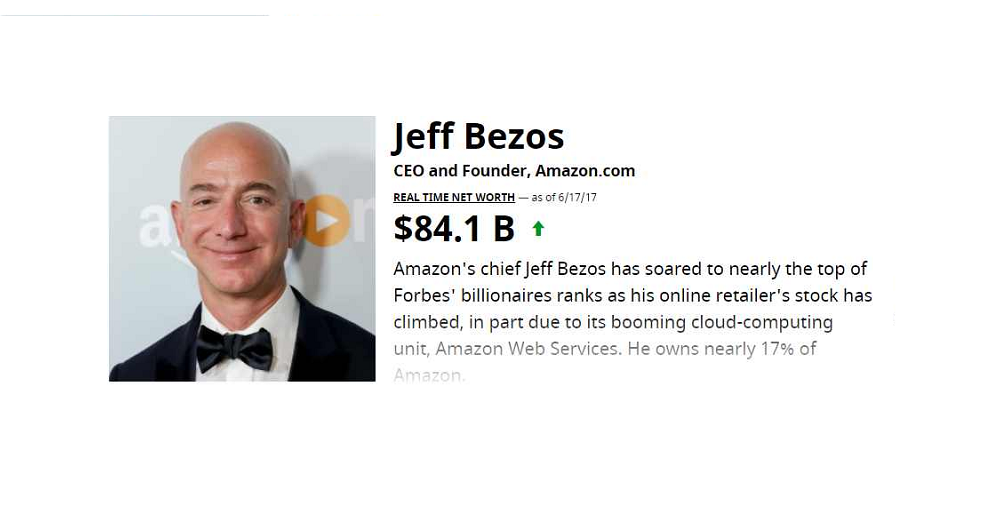
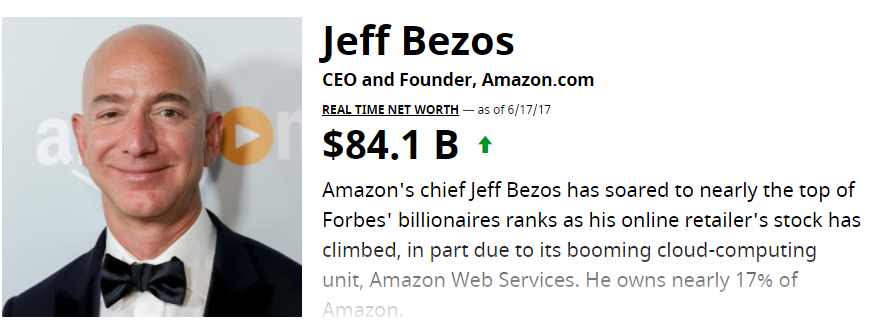
Amazon’s Jeff Bezos To Top Bill Gates As The World’s Richest Man In 2018, Now Worth $84.1B

0

Jeff Bezos did a great deal by buying Whole Foods for Amazon. The Amazon’s deal to buy Whole Foods may be remembered as the dawn of a new era in business, when an old industry stubbornly resistant to change suddenly gave way to something modern and innovative. But supermarkets were once themselves a cutting-edge concept, according to QZ in a newsletter.

It wasn’t that long ago that shoppers went to the butcher for meat, the baker for bread, and the green grocer for produce. Starting in 1930, the supermarket pulled it all together. The bounty of the American supermarket, with its towers of toilet paper and freezers full of meat, was so arresting to Soviet officials who visited one in 1989 that it shattered their faith in communism and helped end the Cold War.

Modern supermarkets were made possible by a host of changes, from industrial-scale farming to the interstate highway system. But after pioneering a logistics revolution that paved the way for shopping malls and big-box stores, progress pretty much stopped. While virtually every other domain of commerce has changed dramatically with the advent of the internet, online grocers were stymied by the challenge of delivering perishables while operating within the tight margins that make groceries a competitive business.

Why is this time different? Part of it is the track record of Amazon and Jeff Bezos; from books to television shows, there is little, if anything, they haven’t been able to sell online.

Bezos will soon be the richest person in the world. After today, Amazon is headed toward being the biggest company. And just as flip phones became obsolete the day after iPhones were introduced, Amazon-powered food buying could soon make us wonder how we ever managed before. He is the second richest man right now at $84.1 billion.

Here is Bill Gates number today – $89.3 billion. Jeff is just behind

By Q2 2018, Jeff will top Bill Gates, looking at the growth of his wealth over the years and the impact of this huge deal.


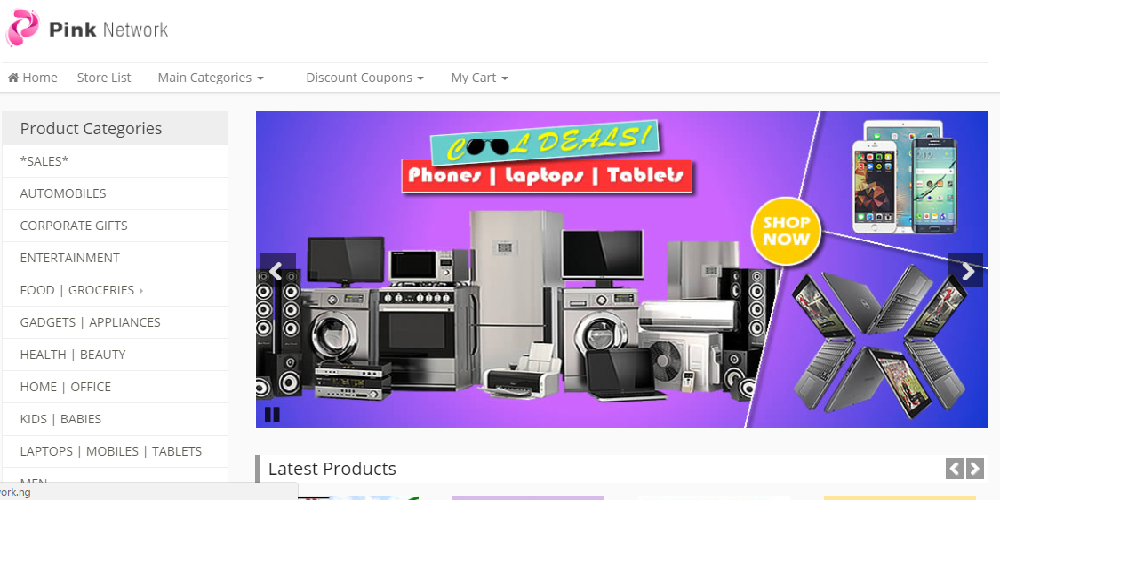
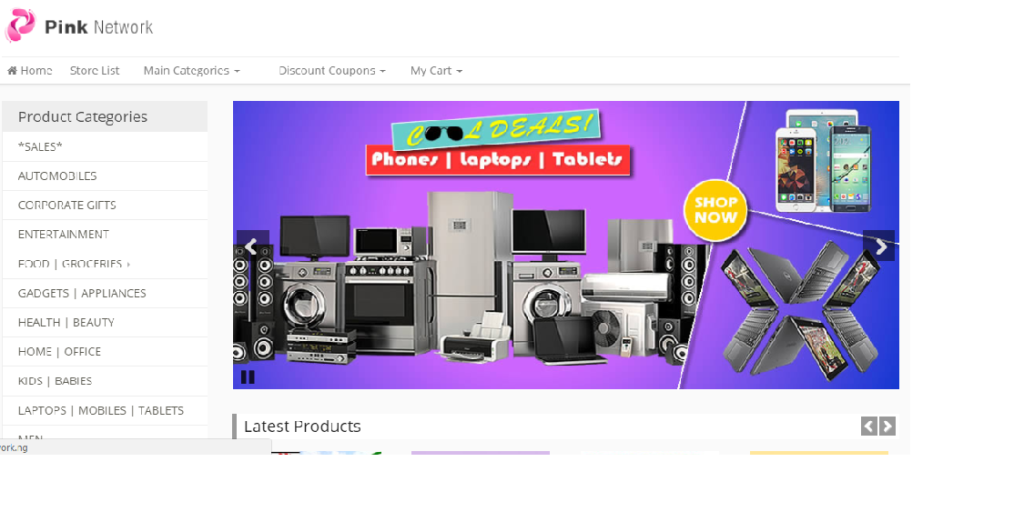
Keystone Bank Nigeria Unveils E-commerce Marketplace, Pink Network, For Merchants

0

Keystone Bank Nigeria has unveiled an e-commerce marketplace to bring merchants in its ecosystems.

Keystone Bank Limited (hereinafter referred to as Keystone Bank) provides the information contained on the Pink Network and Marketplace portal and any of the pages so contained in the portal (“Portal”) is subject to the terms and conditions (“the terms”) set out herein and referenced herein.

It is copying GTBank here which has used its own marketplace to bring small businesses in its banking network. In the Pink Network, merchants can showcase their goods in stores where buyers can interact with them. The key is that all processing of transactions will be handled by Keystone Bank.