DD
MM
YYYY

PAGES

DD
MM
YYYY

spot_img

PAGES

Home Blog Page 7442

Four reasons to secure your website with HTTPS

0

If you sell something online, you need HTTPS on your domain. It is very important for the security of your site.

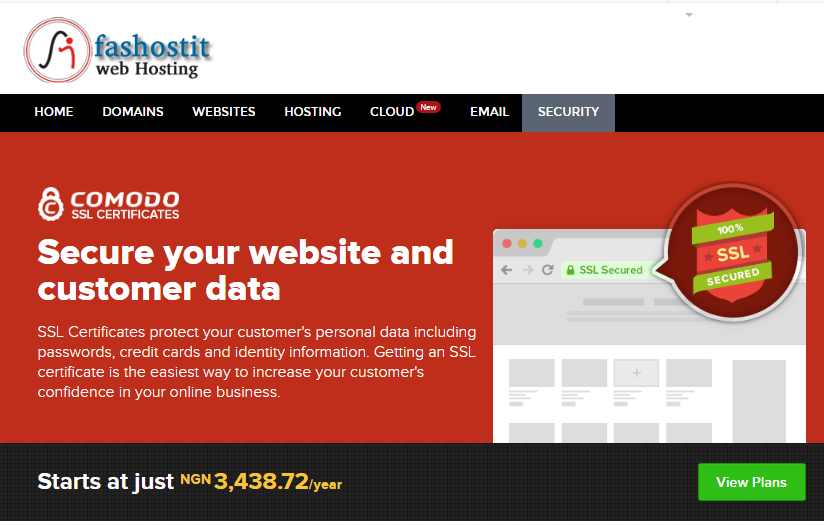
SSL Certificates protect your customer’s personal data including passwords, credit cards and identity information. Getting an SSL certificate is the easiest way to increase your customer’s confidence in your online business.

In a few years (or hopefully much sooner), EVERY website will be secured through SSL and that’s a very good thing. So if you’re not moving to HTTPS now, you’re going to get left behind fast.

Here are 4 quick compelling reasons to move your  website to HTTPS:

  1. SECURITY — SSL protects your website’s data and visitors. It encrypts data transferred over the web, like form submissions and credit card transactions.
  2. SEO — Google says it’s past time to move your sites over to HTTPS. They are now giving an SEO ranking boost to secure sites. Simply put, you’ll rank better in SEO.
  3. ECOMMERCEIf you’re taking any payments on your website, SSL is non-negotiable. SSL is an absolute must for ecommerce and membership websites.
  4. AFFORDABILITY — In the past, SSL certificates could get expensive, but the rapidly transforming web landscape has made switching to SSL practical and affordable.

You can get one here.

This post is sponsored.

Review of NVIDIA Jetson TX2 – Embedded AI is here and Prepare to learn new things

0

For a few years now, NVIDIA has been offering their line of Jetson embedded system kits. Originally launched using Tegra K1 in 2014, the first Jetson was designed to be a dev kit for groups looking to build their own Tegra-based devices from scratch. Instead, what NVIDIA surprisingly found, was that groups would use the Jetson board as-is instead and build their devices around that. This unexpected market led NVIDIA to pivot a bit on what Jetson would be, resulting in the second-generation Jetson TX1, a proper embedded system board that can be used for both development purposes and production devices.

This relaunched Jetson came at an interesting time for NVIDIA, which was right when their fortunes in neural networking/deep learning took off in earnest. Though the Jetson TX1 and underlying Tegra X1 SoC lack the power needed for high-performance use cases – these are after all based on an SoC designed for mobile applications – they have enough power for lower-performance inferencing. As a result, the Jetson TX1 has become an important part of NVIDIA’s neural networking triad, offering their GPU architecture and its various benefits for devices doing inferencing at the “edge” of a system.
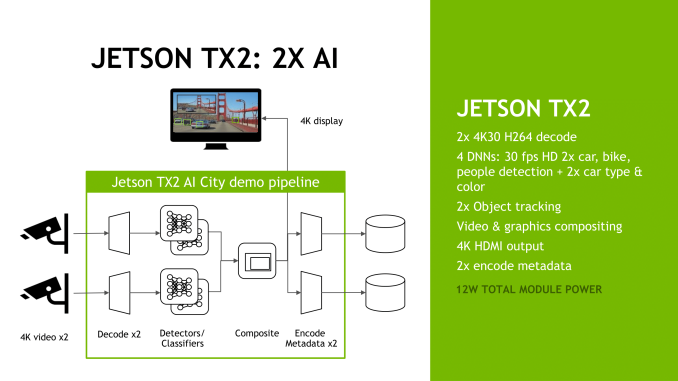
Now about a year and a half after the launch of the Jetson TX1, NVIDIA is going to be giving the Jetson platform a significant update in the form of the Jetson TX2. This updated Jetson is not as radical a change as the TX1 before it was – NVIDIA seems to have found a good place in terms of form factor and the platform’s core feature set – but NVIDIA is looking to take what worked with TX1 and further ramp up the performance of the platform.

The big change here is the upgrade to NVIDIA’s newest-generation Parker SoC. While Parker never made it into third-party mobile designs, NVIDIA has been leveraging it internally for the Drive system and other projects, and now it will finally become the heart of the Jetson platform as well. Relative to the Tegra X1 in the previous Jetson, Parker is a bigger and better version of the SoC. The GPU architecture is upgraded to NVIDIA’s latest-generation Pascal architecture, and on the CPU side NVIDIA adds a pair of Denver 2 CPU cores to the existing quad-core Cortex-A57 cluster. Equally important, Parker finally goes back to a 128-bit memory bus, greatly boosting the memory bandwidth available to the SoC. The resulting SoC is fabbed on TSMC’s 16nm FinFET process, giving NVIDIA a much-welcomed improvement in power efficiency.
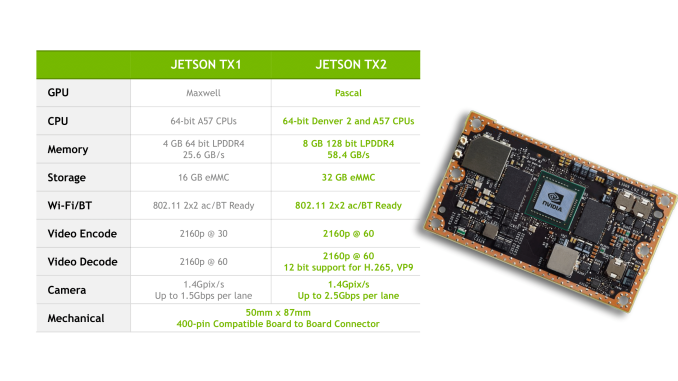
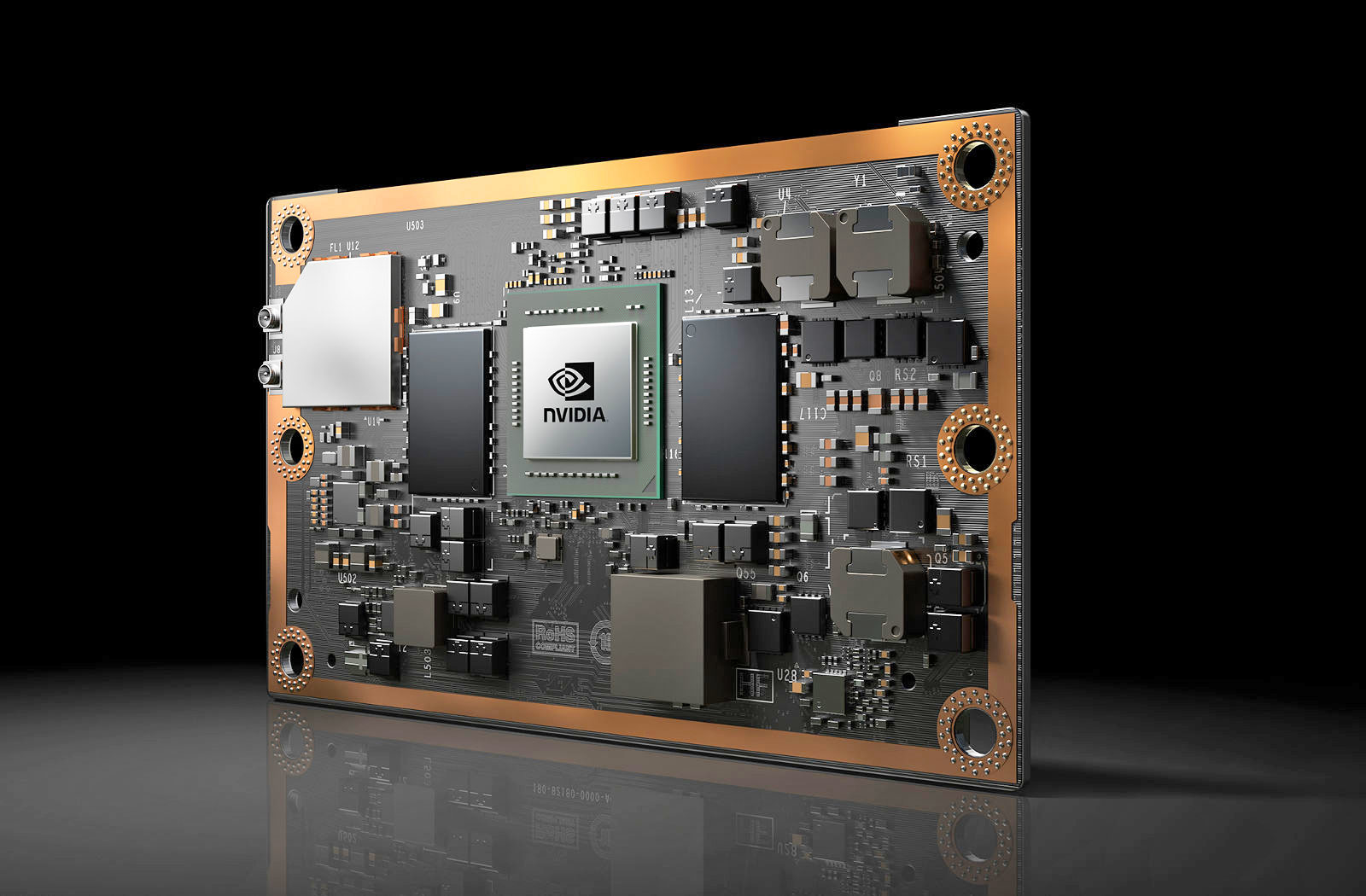
Paired with Parker on the Jetson TX2 as supporting hardware is 8GB of LPDDR4-3733 DRAM, a 32GB eMMC flash module, a 2×2 802.11ac + Bluetooth wireless radio, and a Gigabit Ethernet controller. The resulting board is still 50mm x 87mm in size, with NVIDIA intending it to be drop-in compatible with Jetson TX1.

Given these upgrades to the core hardware, unsurprisingly NVIDIA’s primary marketing angle with the Jetson TX2 is on its performance relative to the TX1. In a bit of a departure from the TX1, NVIDIA is canonizing two performance modes on the TX2: Max-Q and Max-P. Max-Q is the company’s name for TX2’s energy efficiency mode; at 7.5W, this mode clocks the Parker SoC for efficiency over performance – essentially placing it right before the bend in the power/performance curve – with NVIDIA claiming that this mode offers 2x the energy efficiency of the Jetson TX1. In this mode, TX2 should have similar performance to TX1 in the latter’s max performance mode.
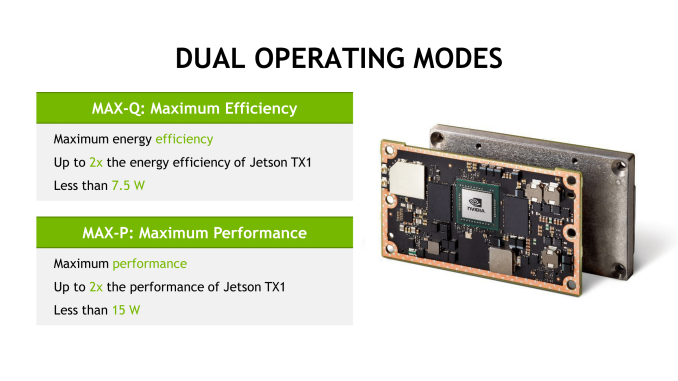
Meanwhile the board’s Max-P mode is its maximum performance mode. In this mode NVIDIA sets the board TDP to 15W, allowing the TX2 to hit higher performance at the cost of some energy efficiency. NVIDIA claims that Max-P offers up to 2x the performance of the Jetson TX1, though as GPU clockspeeds aren’t double TX1’s, it’s going to be a bit more sensitive on an application-by-application basis.

NVIDIA Jetson TX2 Performance Modes
Max-Q Max-P Max Clocks
GPU Frequency 854MHz 1122MHz 1302MHz
Cortex-A57 Frequency 1.2GHz Stand-Alone: 2GHz
w/Denver: 1.4GHz
2GHz+
Denver 2 Frequency N/A Stand-Alone: 2GHz
w/A57: 1.4GHz
2GHz
TDP 7.5W 15W N/A

In terms of clockspeeds, NVIDIA has disclosed that in Max-Q mode, the GPU is clocked at 854MHz while the Cortex-A57 cluster is at 1.2GHz. Going to Max-P increases the GPU clockspeed further to 1122MHz, and allows for multiple CPU options; either the Cortex-A57 cluster or Denver 2 cluster can be run at 2GHz, or both can be run at 1.4GHz. The board can be pushed further, beyond the 15W Max-P mode, with GPU clockspeeds topping out at just over 1300MHz, but NVIDIA notes that this is getting well outside of the Parker SoC’s efficiency range.
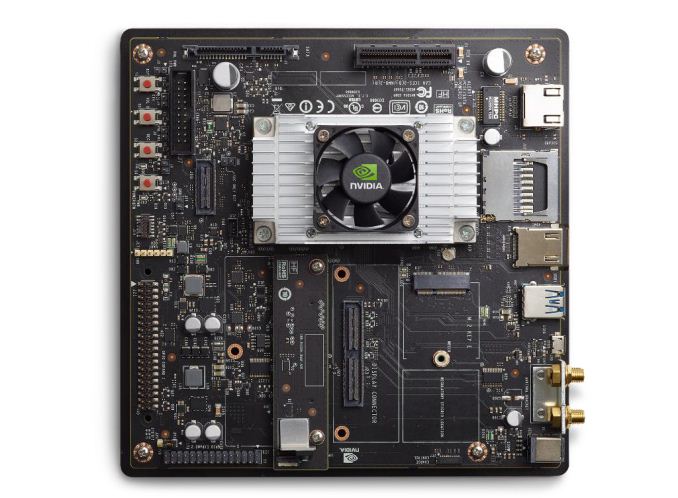
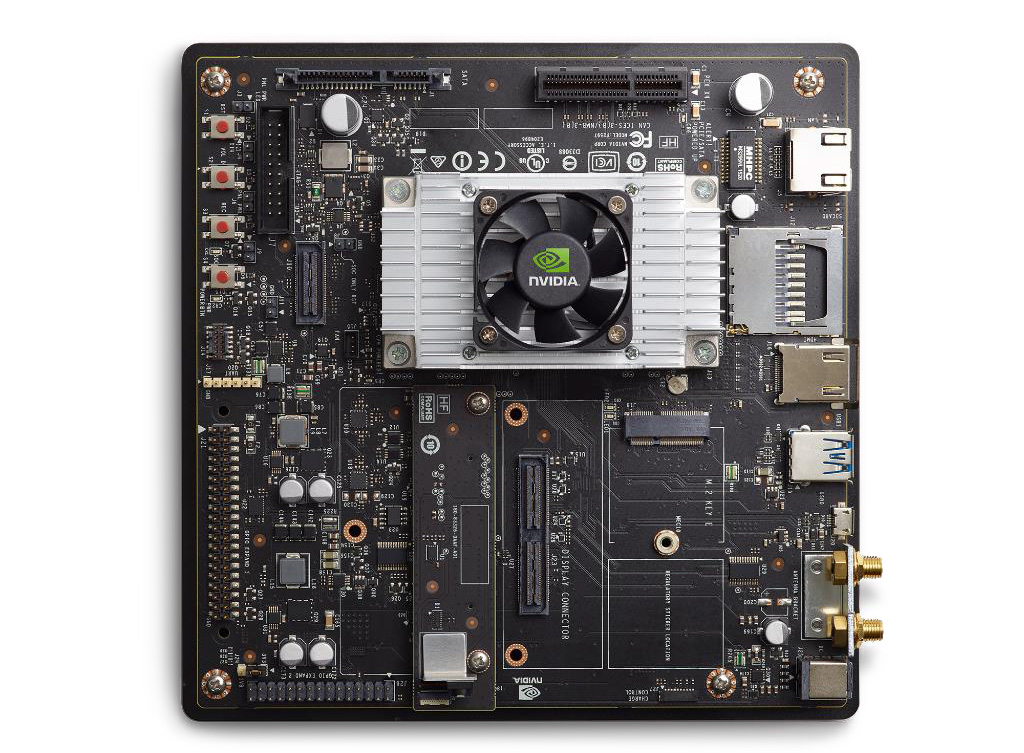
Finally, along with announcing the Jetson TX2 module itself, NVIDIA is also announcing a Jetson TX2 development kit. The dev kit will actually ship first – it ships next week in the US and Europe, with other regions in April – and contains a TX2 module along with a carrier board to provide I/O breakout and interfaces to various features such as the USB, HDMI, and Ethernet. Judging from the pictures NVIDIA has sent over, the TX2 carrier board is very similar (if not identical) to the TX1 carrier board, so like the TX2 itself is should be familiar to existing Jetson developers.

With the dev kit leading the charge for Jetson TX2, NVIDIA will be selling it for $599 retail/$299 education, the same price the Jetson TX1 dev kit launched at back in 2015. Meanwhile the stand-alone Jetson TX2 module will be arriving in Q2’17, priced at $399 in 1K unit quantities. In the case of the module, this means prices have gone up a bit since the last generation; the TX2 is hitting the market at $100 higher than where the TX1 launched.


 

Farmers, Change that “Guesswork Technology” with Data-driven Technology: Get Zenvus Insights

0

We want African farmers to change strategy on how they farm. Agtech pioneer, Zenvus, wants these farmers to use smart farming over guesswork in their farming processes.

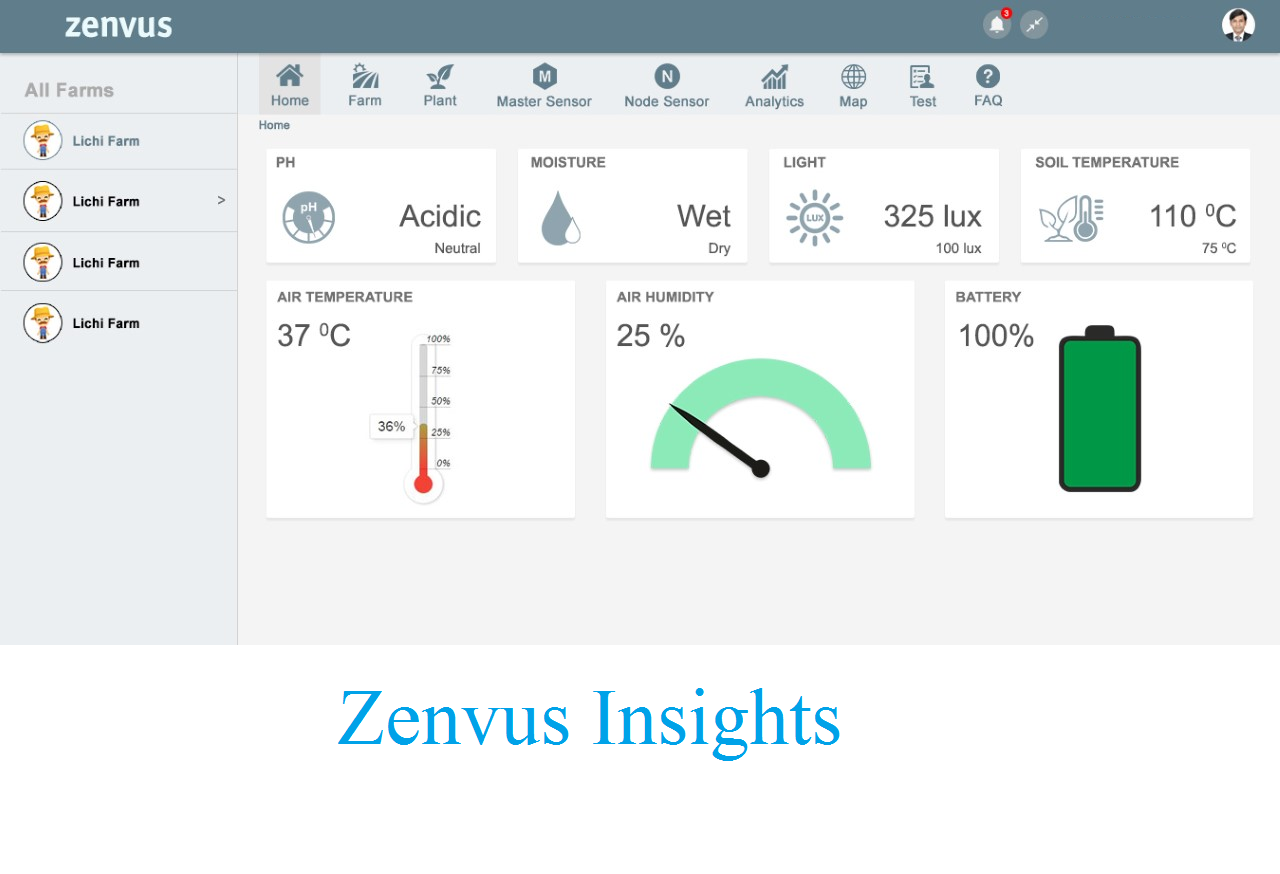
Data from Zenvus Smartfarm and Zenvus Yield which are collected from farms are sent to our servers where our computational models help make sense of them. The Web App is where the data is made actionable for farmers to access.

 
The Web App is a place where farmers / investors:
  • Register and activate their Yield and Smartfarm devices (each product comes with a unique code which makes it impossible for stolen ones to be re-used).
  • Login and understand what is happening in their farms.

Two Products are available:

  • Zenvus Insights: This helps farmers understand the soil conditions of their farmlands through sensors that deliver appropriate data to their phones or computers. With this, farmers can effectively manage fertilizer application, irrigation and in general take guesswork out of farming.
  • Zenvus Insights Pro: This is Zenvus Insights for investors who may want to get real-time insights on farms they have invested.

Become a Zenvus Farmer.

How Google and Facebook could drive higher revenue for Nigerian publishers with technology

0

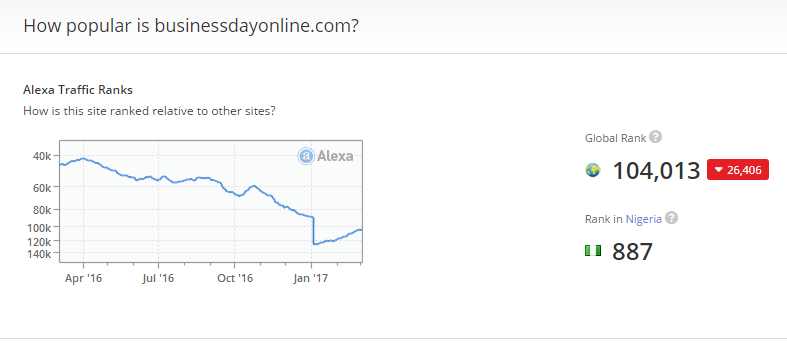
When BusinessDay Nigeria started metering its contents, the newspaper suffered heavy traffic loss.  The company has tried to turn off and on the paywall looking for a balance between revenue and relevance in the digital age.

For all media companies in Nigeria, the only one with a decent chance of making a subscription business work is BusinessDay because it focuses largely on business and financial contents. In other words, readers could see the subscription as an investment, R&D or whatever that is necessary to collect data to drive strategy.

That is different from reading ThisDay, Punch and other local newspapers. Companies are more likely to pay for business contents than political ones.

But there is a problem. BusineddDay does not have ultra-focused and niche contents which would help drive its pay-wall strategy. The financial market in Nigeria is not that dispersed. All newspapers have the same sources and report, to a large extent, the same thing. Once it is on Punch, wait for some minutes, you will read the same content on The Guardian or The Sun.

The same applies in business news as we have few news making companies  to start with.

So that brings the question – how can Nigerian media publishing companies survive in the age of Facebook and Google. In reality they can, if government can help them. And if the tech titans will care to assist, also.

This is our suggestion:

  • Let all the publishing houses come together. They need to band together to have any impact to make any strategy work
  • They have to build a platform with pricing system where all contents they will deliver will pass through
  • That platform will have the media companies put prices on what they plan to sell their contents. It could be subscriptions or daily access. Think of hotels.ng but here you are dealing with media contents and not flight tickets or hotel rates.
  • When readers visit the site, they search for contents and the prices are displayed for the specific contents of interests. They pay and read. This pricing could be dynamic.
  • But since there is a risk that some media firms may opt-out since they may not have great quality to command patronage, the group must push for the ultimate killer strategy.
  • Host that platform in Google and Facebook and ask both to collect the money under a revenue sharing formula. With that, no contents from the media houses can be shared without going through the platform. Google and Facebook can make this work, if they receive heat to assist. They are making money without investing in contents.

Yes, if these media companies band together to negotiate with Google and Facebook to sell subscriptions on their behalf, you will see them blossom.

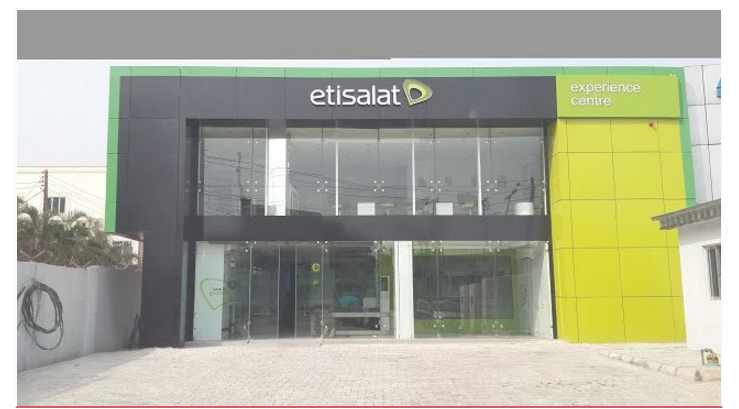
Etisalat Nigeria can fall as Zenith, GTB and Access plan takeover. Nigeria is deteriorating with Etisalat owing $1.72B

0

This is the biggest news in Nigeria this week. Etisalat Nigeria cannot even service its loan. It really means that Nigeria’s economy is deteriorating fast. People are not buying credits and those buying are saving via OTT services like WhatsApps and Skype. This is not a good time for Nigerian government as they cannot find any good news to ride on.

A big news from SR should concern everyone if banks take over Etisalat Nigeria.

Despite the intervention of the Nigerian Communication Commission, NCC, to broker a peaceful resolution between Etisalat Nigeria and a consortium of banks, it appears the effort may not have yielded a truce, as the banks are set to take over the telecoms firm today (Wednesday), PREMIUM TIMES learnt

The consortium of some foreign and Nigerian banks, including Guaranty Trust Bank, Access Bank, and Zenith Bank, have been having a running battle with the mobile telephone operator over a loan facility totaling $1.72 billion (about N541.8 billion) obtained in 2015.

The loan, which involved a foreign-backed guaranty bond, was for Etisalat to finance a major network rehabilitation and expansion of its operational base in Nigeria.

However, following the failure of the company to meet its debt servicing schedule agreed since 2016, the three Nigerian banks, prodded by their foreign partners, reported Etisalat to banking sector regulator, the Central Bank of Nigeria, CBN, and its communications sector counterpart, the NCC.

Although Etisalat blamed its inability to fulfill its obligation to the banks on the current economic recession in Nigeria, the banks said their attempt to recover the loan, by all means, was fuelled by the pressure from the Asset Management Company of Nigeria, AMCON, demanding immediate cut down on the rate of their non-performing loans.

A senior official of one of the banks who spoke with PREMIUM TIMES late on Tuesday said one of the options they have proposed to Etisalat management as a middle way out of the crisis was for it to request for a bankruptcy status.

The official, who requested that his name should not be revealed since he was not authorized to speak on behalf of the consortium, said the bankruptcy option would require having receivership management appointed by the banks to oversee its operations.

But, the NCC appears not to be favorably disposed to the takeover proposal, the source said, as it believes Etisalat was not only a viable going concern but also willing and able to negotiate its loan servicing.

However, a top source at the NCC said late Tuesday that the commission had approved the takeover, which is expected to occur today.

Etisalat is Nigeria’s fourth largest telecoms operator, with about 21 million subscribers as at January 2017, according to the NCC. It commenced business in Nigeria in 2009.