

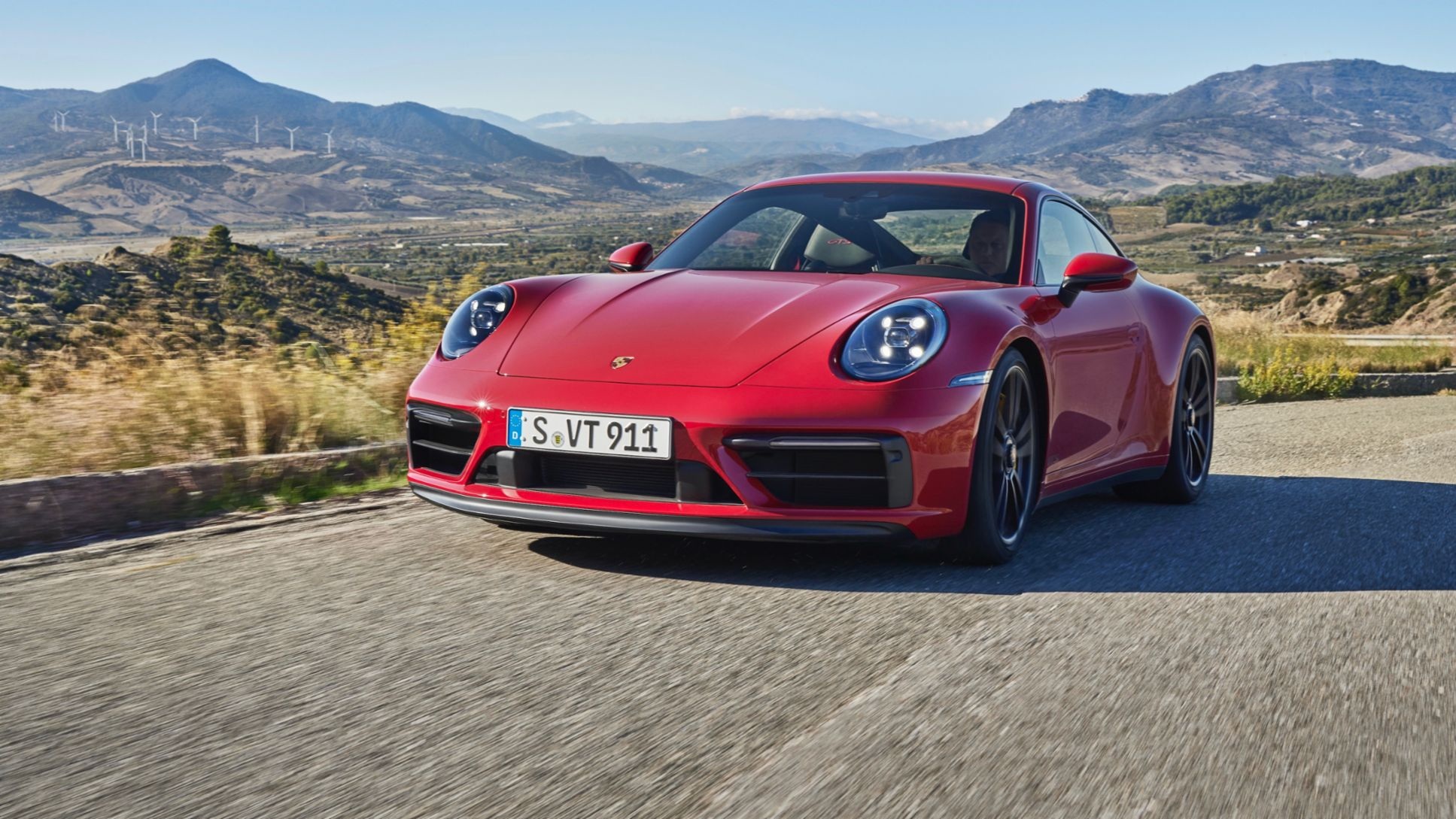
The announcement that Porsche SE, the holding company that controls major stakes in both Volkswagen and Porsche AG, posted a loss of nearly €1 billion has intensified concerns about the future of Germany’s automotive industry.
Once regarded as the global benchmark for engineering precision, efficiency, and profitability, the German car sector is now navigating one of the most difficult transitions in its modern history. Porsche SE’s financial setback is not merely an isolated corporate event; it reflects deeper structural pressures reshaping the global automobile market.
Porsche SE’s loss is particularly significant because the company sits at the center of one of Europe’s largest industrial empires. Through its holdings, it exerts substantial influence over Volkswagen AG and Porsche AG, two brands that symbolize German manufacturing strength. When a holding company of this scale reports a billion-euro loss, investors interpret it as a warning sign about broader industry weakness rather than a temporary accounting issue.
Several factors contributed to the decline. One of the biggest challenges has been slowing global demand for electric vehicles. European automakers invested billions of euros into electrification strategies over the past decade, expecting rapid adoption across major markets.
Register for the next Tekedia Mini-MBA.
Register for Tekedia AI in Business Masterclass.
Join Tekedia Capital Syndicate and co-invest in great global startups.
High interest rates, inflation, and concerns about charging infrastructure have reduced enthusiasm for EV purchases, particularly in Europe. Competition from Chinese manufacturers has intensified dramatically. Companies such as BYD and NIO have expanded aggressively into international markets, offering cheaper electric vehicles with increasingly advanced technology.
Chinese automakers benefit from lower production costs, strong domestic supply chains, and extensive government support. This has placed enormous pressure on legacy European firms that traditionally relied on premium branding and engineering superiority to maintain margins.
Volkswagen, which is central to Porsche SE’s portfolio, has been especially vulnerable to these competitive pressures. The company has struggled with rising manufacturing expenses, software development delays, and declining profitability in certain regions. China, once Volkswagen’s strongest market, has become increasingly difficult as domestic brands capture greater market share.
Since China accounts for a major portion of Volkswagen’s sales and profits, weaker performance there has had significant consequences for the group’s overall valuation. The financial loss also highlights how expensive the automotive transition has become.
Carmakers are simultaneously trying to maintain combustion-engine businesses while investing heavily in electric vehicles, battery technology, autonomous driving systems, and digital platforms.

This dual burden has compressed profit margins across the industry. Investors who once rewarded aggressive electrification strategies are now demanding clearer paths to profitability and stronger cash flow discipline. Another major issue facing Porsche SE and Volkswagen is geopolitical uncertainty.
Trade tensions between Europe, China, and the United States continue to disrupt supply chains and investment strategies. Tariffs on Chinese EV imports in Europe, alongside growing political scrutiny of industrial dependence on China, have complicated long-term planning for global automakers.
Meanwhile, energy costs in Germany remain elevated compared to pre-2022 levels, weakening the competitiveness of domestic manufacturing operations. Despite these challenges, Porsche SE’s loss does not necessarily indicate imminent collapse. The company still controls valuable assets and globally recognized automotive brands.
Volkswagen remains one of the world’s largest automakers by volume, while Porsche AG continues to enjoy strong demand in the luxury performance segment. However, the scale of the loss demonstrates that even the strongest industrial giants are no longer immune to disruption. The situation also raises broader questions about the future of Germany’s economy.

The automobile sector has long served as the backbone of German industrial power, supporting millions of jobs directly and indirectly. Weakness among leading firms could have ripple effects across suppliers, engineering companies, logistics providers, and regional economies dependent on automotive production.
It symbolizes the immense financial and strategic pressures confronting traditional automakers during a period of historic transformation. The global auto industry is moving into a new era defined by electrification, software integration, artificial intelligence, and fierce international competition. Companies that fail to adapt quickly and efficiently may struggle to survive, regardless of their historic prestige or market dominance.