

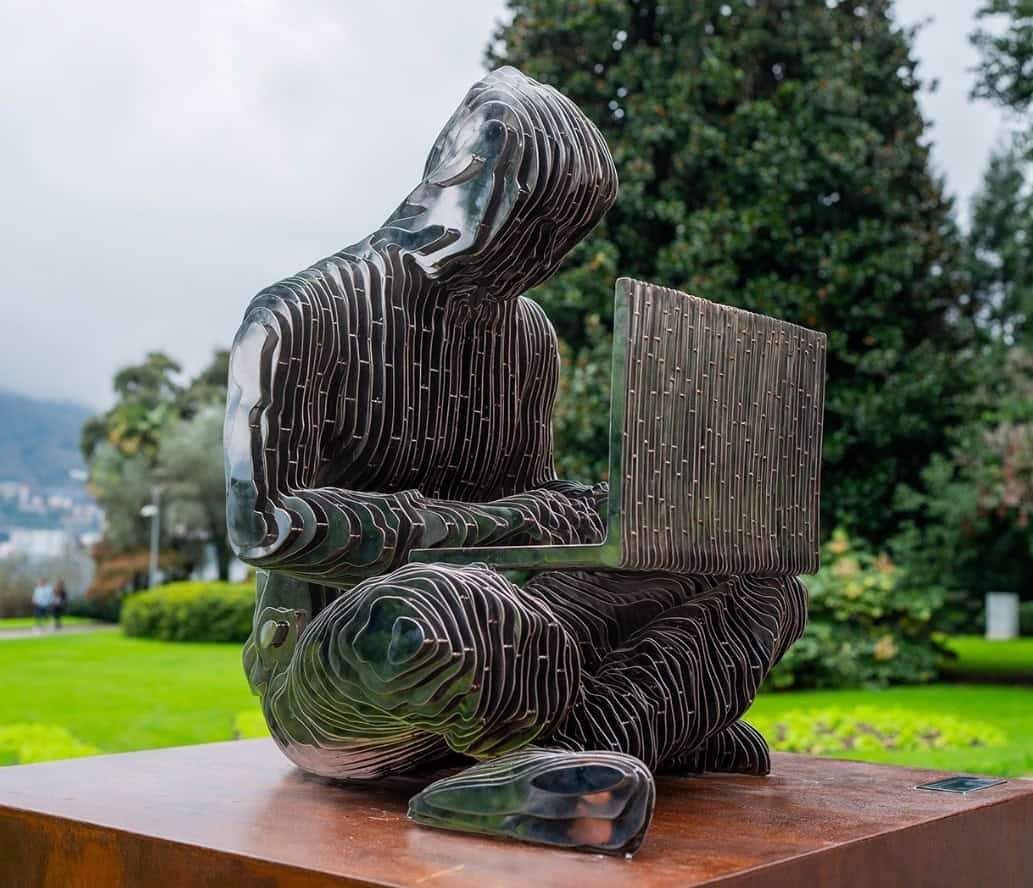
The Satoshi Nakamoto statue in Lugano, Switzerland, a tribute to Bitcoin’s pseudonymous creator, was vandalized and reported stolen on August 2, 2025, during Swiss National Day celebrations.
The “Disappearing Satoshi” artwork, designed by Italian artist Valentina Picozzi and unveiled in October 2024, was forcibly removed from its base in Parco Ciani and thrown into Lake Lugano. Municipal workers recovered it on August 4, finding it broken into pieces, indicating vandalism rather than theft for profit.
The statue, crafted from stainless steel and corten blocks, took 21 months to create and symbolized Bitcoin’s decentralized ethos with an optical illusion effect. Satoshigallery, the art collective behind the statue, offered a 0.1 BTC reward (worth over $11,000) for information aiding its recovery.
The Bitcoin community expressed outrage, with figures like Gabor Gurbacs calling the act “tasteless and stupid.” Some, including X user Gritto, speculated that intoxicated partygoers were responsible. Despite the damage, Satoshigallery vowed to continue their mission to install 21 similar statues worldwide, reinforcing Bitcoin’s cultural significance.
Register for Tekedia Mini-MBA edition 20 (June 8 – Sept 5, 2026).
Register for Tekedia AI in Business Masterclass.
Join Tekedia Capital Syndicate and co-invest in great global startups.
Register for Tekedia AI Lab.
A petition has been launched to restore the statue, with supporters offering to cover costs. The statue, representing Bitcoin’s enigmatic creator and the ethos of decentralization, was a cultural landmark. Its vandalism signals resistance to Bitcoin’s mainstream adoption, possibly from groups or individuals threatened by its disruption of traditional financial systems.
The act may reflect broader societal divides over cryptocurrency’s role, with some viewing it as a speculative bubble or a challenge to centralized authority. Lugano, a hub for crypto innovation through its “Plan ?” initiative, has positioned itself as a pro-Bitcoin city, accepting BTC for taxes and hosting blockchain events.
The vandalism could tarnish this image, potentially deterring crypto tourism or investment. However, the community’s swift response to recover and potentially restore the statue may counteract negative publicity, reinforcing resilience. The incident highlights vulnerabilities in protecting public crypto-related symbols.

Future installations, like Satoshigallery’s planned 21 global statues, may require enhanced security measures, increasing costs and complexity. It also raises questions about the safety of high-profile crypto events or landmarks in politically charged environments. The vandalism has galvanized the Bitcoin community, with initiatives like the 0.1 BTC reward and restoration petitions demonstrating solidarity.
Bitcoin Community Reactions
Prominent figures like Gabor Gurbacs, a digital asset strategist, called the vandalism “tasteless and stupid,” reflecting widespread sentiment. X users such as Btcfreedomhub and BitcoinMagazine labeled it an attack on Bitcoin’s ethos, with some speculating it was a targeted act against decentralization.

Satoshigallery’s commitment to continue their global statue project has rallied support. A petition to restore the Lugano statue has gained traction, with community members like @HODLforFreedom offering to fund repairs, showcasing financial and emotional investment in Bitcoin’s legacy.
The vandalism may amplify narratives of external hostility, potentially boosting Bitcoin’s appeal among its base as a rebellious, anti-establishment asset. Conversely, it risks alienating neutral observers if framed as evidence of crypto’s polarizing nature.
The vandalism has sparked a unified community response, blending defiance with action, while highlighting challenges in safeguarding Bitcoin’s growing physical and cultural footprint. The incident may ultimately strengthen the community’s resolve to promote Satoshi’s vision, as seen in the push to restore the statue and expand the Satoshigallery project.