DD
MM
YYYY

PAGES

DD
MM
YYYY

spot_img

PAGES

Home Blog Page 3986

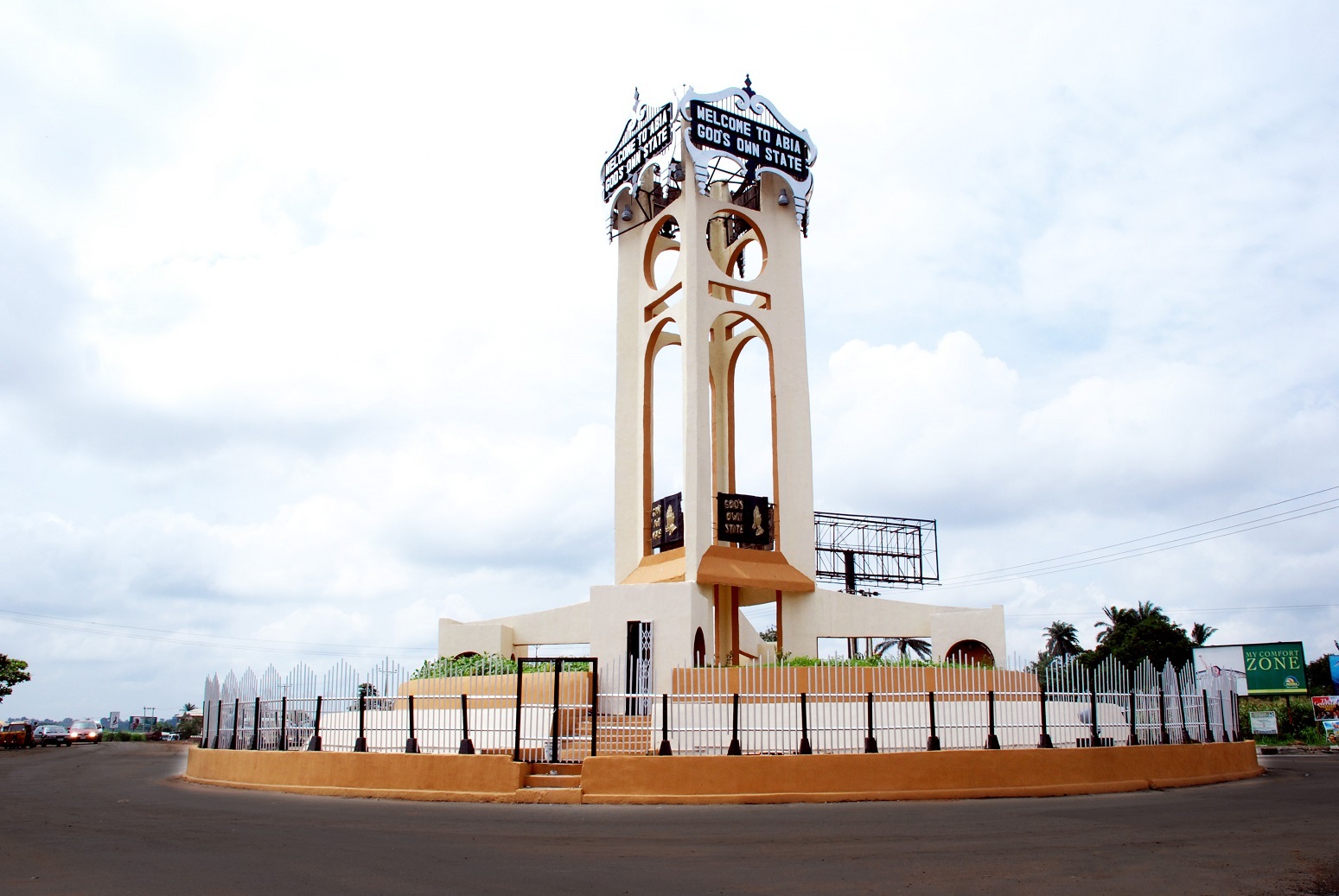
We Spent N223.3m on Food, Not N927m – Abia State Government Denies Extravagant Spending

0

The Abia State government has issued a clarification statement in response to a report by Sahara Reporters that the Governor, Dr. Alex Otti, spent N927 million on food for the government house in three months.

Nedu Ekeke, the deputy chief of staff to the governor, issued the statement to address the backlash and provide context to the spending figures.

According to the statement, the government clarified that the reported spending was not limited to food expenses but included various aspects such as personnel costs, renovations, and the operation of multiple agencies directly under the government house.

“The costs of running these agencies, including personnel, overhead & capital were charged to Govt House. I am not sure that Ebonyi State bought 20 Toyota Hilux trucks for any special military operation. But Abia did for “Operation Crush”. That cost is part of the report,” the statement said.

The government emphasized the need to consider the peculiarities of each government house, and in the case of Abia State, it inherited a facility with over 700 staff, which was later reduced to over 500.

The statement highlighted the renovations undertaken in government offices, including the political block, protocol building, banquet hall, and official residences like the SSG’s, Chief judge’s, and Chief of Staff’s, which were in poor conditions. The government also mentioned the need for new furniture due to the removal of furniture by the previous administration.

Additionally, the statement explained that several agencies operate directly under the government house, contributing to the overall operational costs.

The clarification also addressed the issue of salaries, highlighting that the immediate past government stopped paying salaries in February, and the new administration under Governor Otti insisted on paying twice every month to clear the backlog from March to May.

Regarding the reported spending on information and propaganda, the government stated that the Ministry of Information is a full-fledged ministry, responsible for managing entities like the Abia Broadcasting Corporation (BCA), Abia Newspaper, and the State Tourism Board. The costs associated with running these entities were included in the reported figures.

The statement emphasized the commitment of the government to improving the lives of the people and the transparency in providing a comprehensive financial statement after auditing a full year.

Read the full statement below:

Imagen

This image has continued to move from timeline to timeline. But the comparison is not particularly fair. The Alex Otti government has since addressed it on the radio. But it appears many on Twitter did not follow the explanations. I will go ahead and speak to it now.

No two Govt Houses are the same. Each has their peculiarities. What we inherited in Abia was a Govt House with over 700 staff. We reduced them to over 500 (through reposting). But the overhead and personnel costs of the 700+ personnel are part of the figures you’re seeing.

You’ve seen images of really decayed roads all over Abia State, but that decay permeated every structure of the state, including govt offices. We have been able to renovate some offices, e.g. the political block that houses many appointees, the protocol building, and the banquet hall.

The SSG’s official residence, the Chief Judge’s, and the Chief of Staff’s were all in terrible shapes and had to be renovated. In fact, the Chief Judge’s was unlivable. And the renovation is still ongoing. She is putting up in another apartment until hers is completed.

The renovations also came with furniture, as the last administration carted away most of the furniture in their offices when they were leaving. Shortly upon assumption of office, Gov Alex Otti set up a judicial panel of inquiry to recover all stolen Govt assets.

The Commissioners’ Quarters were totally abandoned. It was overgrown with weeds. It was built with govt funds and the Alex Otti administration insisted that commissioners would live there. Govt was not going to give them money to go rent apartments. But it also had to be renovated.

Further, a lot of agencies are directly under the Govt House, instead of ministries. Examples are: a. Fire Service, b. Homeland Security (used to be a full-fledged ministry but now an agency, c. State Emergency Management Agency (SEMA), d. Umuahia Capital Development Authority, e. ASOPADEC, f. ASEPA, g. Abia State Orientation Agency (ABSOA), h. Infrastructural Promotion Agency, i. Public Procurement Bureau, j. Marketing & Quality Control Agency, k. Abia State Signage and Advertisement Agency (ABSAA), l. ABSEDA and others.

The costs of running these agencies, including personnel, overhead & capital were charged to Govt House. I am not sure that Ebonyi State bought 20 Toyota Hilux trucks for any special military operation. But Abia did for “Operation Crush”. That cost is part of the report.

The agencies above were what we inherited. Gov. Alex Otti earlier constituted a civil service reform committee to look at these issues and advise govt on how to rationalize them. They are done with the work and will be submitting their report any moment from now.

Worthy of note is that the immediate past govt stopped paying salaries in February. From June, our first month in office, Gov Otti insisted on paying twice every month to clear the March-May backlog. Those payments – some of which were to the Govt House staff – are in this report.

On the one reported as “propaganda”, the Ministry of Information is a full-fledged ministry. In fact, the current Information Ministry used to be 3 ministries under the past administration. Gov Otti merged them. Under the ministry are the Abia Broadcasting Corporation (BCA), Abia Newspaper, and the State Tourism Board. Each has its staff. The cost of running these is in the report you’re seeing. It was not for propaganda. The Alex Otti administration is fortunate to be loved by the people and does not spend money pushing narratives.

Abians themselves, who appreciate the hardworking government, help us tell our story. In summary, what you’re seeing is like a movie trailer. It does not show the entire picture. The entire picture will show after an audited full-year financial statement.

This thread was posted before I saw a sensational tweet by Sahara Reporters, claiming the govt spent N927m on food.

That post is false. Even the document SR published captured meals at N223.3m. But I will urge everyone to await the government’s official response on that.

Thanks to all of you who called/texted to seek clarification. Ours is a govt that is fully committed to making life better for the people. His Excellency Dr. Otti is actually his own critic. He’ll never do anything to shortchange the people who entrusted him with their mandate.
Dojah, a Tekedia Capital Portfolio company, Provides Digital Verification Infrastructure

0

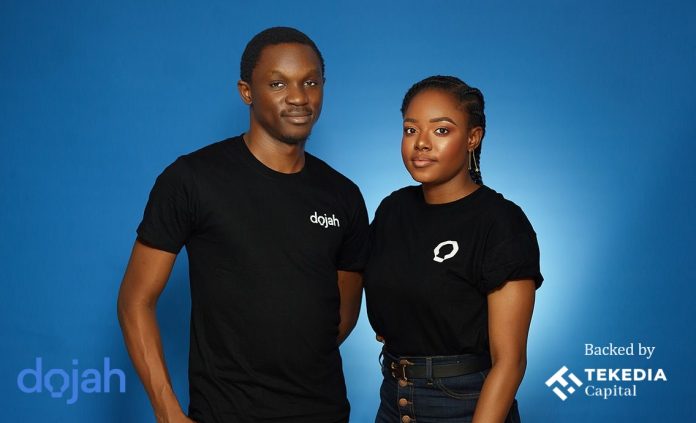
Dojah (YC-W22) is a critical infrastructure for the digital future, making it easier for companies, individuals and governments, to know the people and the organizations they are doing transactions with. All companies and governments over time will converge online because the web is the operating system for modern commerce and industry.

Dojah, a Tekedia Capital portfolio company, is here to serve you: “its advanced AI-powered technology makes it easy for businesses and governments to onboard users and citizens at scale, ensuring a smooth and secure verification.”

To learn more about Dojah, go here https://dojah.io/. To know what Tekedia Capital does, visit https://capital.tekedia.com/ .

Microsoft Hires OpenAI’s ex-CEO Sam Altman

0

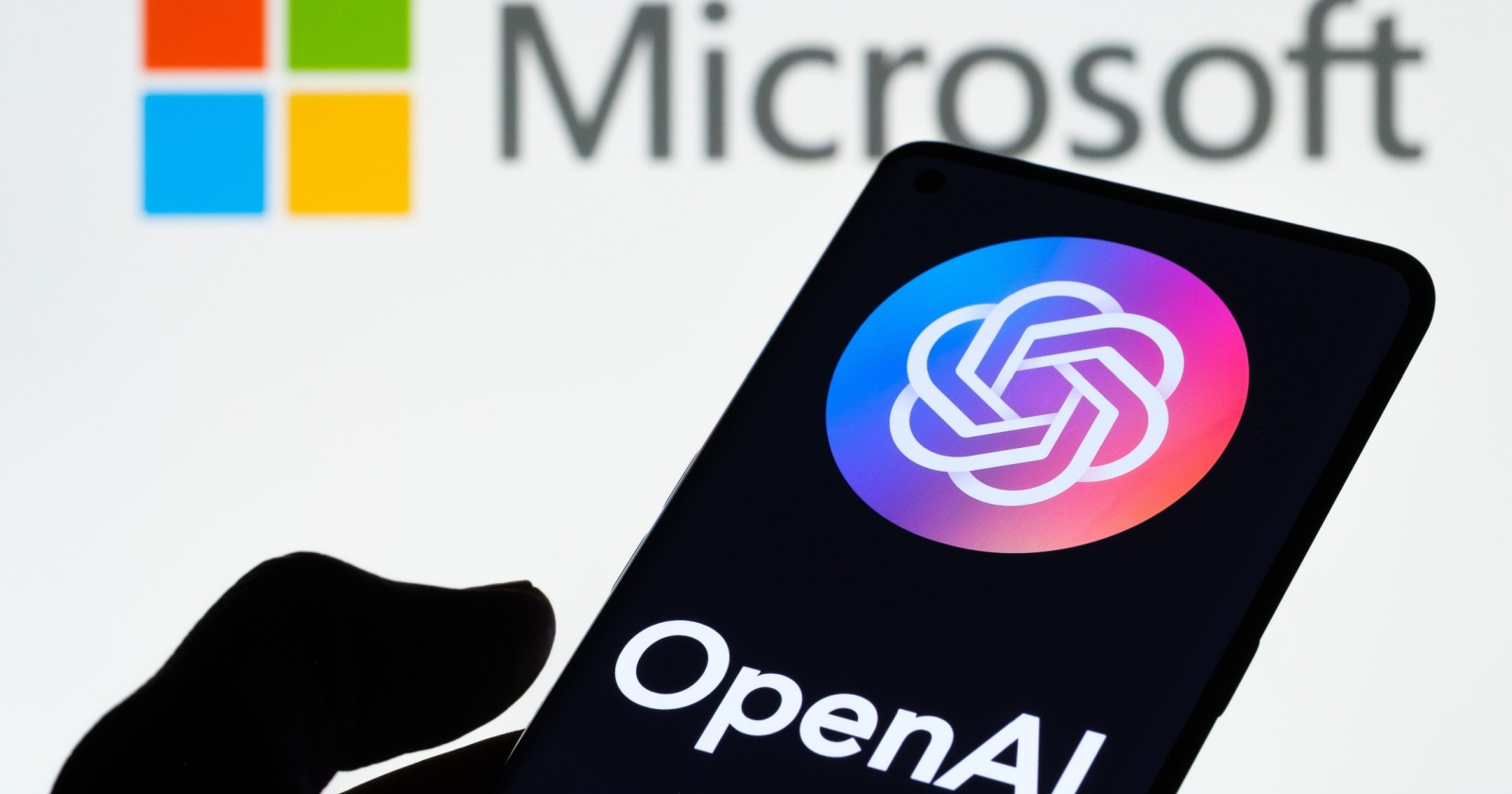
Microsoft has hired former OpenAi CEO Sam Altman – underscoring its commitment to the Copilot project. Microsoft’s Satya Nedella announced the development on Monday via X, explaining that the company remains committed to its partnership with OpenAI.

“… And we’re extremely excited to share the news that Sam Altman and Greg Brockman, together with colleagues, will be joining Microsoft to lead a new advanced AI research team,” Nadella said. “We look forward to moving quickly to provide them with the resources needed for their success.”

Microsoft is revamping its Bing Chat interface, integrated across Bing search results, Microsoft Edge, and Windows 11, under the name “Copilot.” This name, previously used for its chatbot within Windows 11, is now being expanded to encompass various interfaces. Microsoft appears to be aiming to establish Copilot as a prominent choice in the competitive AI assistant market for both consumers and businesses.

Under this rebranding effort, Copilot is positioned as the free version of Microsoft’s AI chatbot, while Copilot for Microsoft 365 (previously Microsoft 365 Copilot) is labeled as the paid option. The free Copilot service will remain accessible in Bing and Windows, now with its dedicated domain at copilot.microsoft.com, adopting a structure akin to ChatGPT.

Nadella said [we] have confidence in our product roadmap, our ability to continue to innovate with everything we announced at Microsoft Ignite, and in continuing to support our customers and partners.

This development underpins how heated the AI race is becoming, with new companies emerging – seeking to grab shares from the emerging market. X, formerly Twitter owner, Elon Musk, under Nadella’s announcement: “Now they will have to use Teams!”

Earlier this month, Musk announced the launch of Grok, the latest development from his new AI company, xAI.

The company said that “Grok is designed to answer questions with a bit of wit and has a rebellious streak,” adding that a unique and fundamental advantage of Grok is that it has real-time knowledge of the world via the ? platform. “It will also answer spicy questions that are rejected by most other AI systems,” xAI said.

However, it is not clear for now what effect Altman’s exit will have on OpenAI’s ChatGPT, which has exerted leadership over the AI market with 100 million weekly users, according to the company.

Under Altman’s leadership, ChatGPT became the fastest-growing consumer internet app of all time after its launch nearly a year ago, notching an estimated 100 million monthly users in just two months. The AI company also moved its value from zero to $80 billion, with Microsoft being one of its biggest investors.

While Microsoft has bet billions of dollars on OpenAI, its recent push for a Microsoft-owned AI company and the hiring of Altman signals the determination of the tech giant to become a power player in the emerging market.

Impact of Rising Telecom Tariff and Data Plans on Consumers and Nigerian Digital Economy

0

The rising cost of telco tariff and data plans in Nigeria has been a source of concern for many consumers and businesses. The high cost of operating and maintaining telecom infrastructure in Nigeria, especially in rural and remote areas where there is poor power supply, security challenges and multiple taxation. The depreciation of the naira against major foreign currencies, which increases the cost of importing telecom equipment and paying for international bandwidth.

The inflationary pressure on the economy, which erodes the purchasing power of consumers and reduces their demand for telecom services. The need to ensure a fair return on investment for the telecom operators, who have invested billions of naira in building and upgrading their networks. The need to create a level playing field for all telecom operators, especially the smaller ones who are struggling to compete with the dominant players.

What is the impact of rising Telco’s tariff and data plans on consumers and the economy?

Reduced access to affordable and quality telecom services, especially for low-income earners, students, entrepreneurs and rural dwellers who rely on mobile phones and internet for communication, education, business and social activities.

Reduced adoption and usage of digital services and platforms, such as e-commerce, e-government, e-learning, e-health, fintech and social media, which are essential for enhancing productivity, innovation and inclusion in the digital economy. Reduced competitiveness and growth of the telecom sector, which is one of the key drivers of economic diversification, job creation and revenue generation in Nigeria. Reduced contribution of the telecom sector to the national GDP, which stood at 12.45% as of Q2 2023 according to the National Bureau of Statistics.

What are the possible solutions to address the issue of rising telco tariff and data plans in Nigeria?

The issue of rising telco tariff and data plans in Nigeria is a complex one that requires a holistic and collaborative approach from all stakeholders. Some of the possible solutions include: – Reviewing and revising the price floor for data services by the NCC, taking into consideration the interests of both consumers and operators.

Improving the regulatory environment for telecom operators by reducing multiple taxation, streamlining licensing processes, ensuring security of telecom infrastructure and enforcing compliance with quality-of-service standards.

Enhancing the availability and affordability of spectrum for telecom operators by conducting transparent auctions, allocating spectrum efficiently and promoting spectrum sharing among operators. Encouraging infrastructure sharing among telecom operators by providing incentives, guidelines and oversight for co-location, interconnection and roaming agreements.

Promoting competition and innovation in the telecom sector by creating an enabling environment for new entrants, fostering partnerships among operators and supporting local content development. Educating and empowering consumers on their rights and responsibilities as telecom users by providing adequate information, feedback mechanisms and redress options.

Nigerian Telecom Operators Plan Increase in Tariffs, Say Current Rates No Longer Sustainable

The Nigerian telecom industry is facing a major challenge as operators plan to increase their tariffs in the coming months. The operators say that the current rates are no longer sustainable under the administration of President Bola Tinubu, who took office in May 2023.

According to the operators, the cost of providing telecom services has increased significantly due to inflation, foreign exchange volatility, regulatory fees, security threats, and infrastructure vandalism. They also claim that the government has not fulfilled its promises of improving the power supply, reducing multiple taxation, and granting them access to public infrastructure.

The operators say that they have been operating at a loss for several years, and that they need to adjust their tariffs to reflect the current economic realities. They warn that if they do not increase their tariffs, they may be forced to reduce their quality of service, lay off workers, or exit the market altogether.

However, the planned tariff hike has been met with resistance from consumers, civil society groups, and some lawmakers. They argue that the operators are already charging exorbitant prices for poor services, and that increasing the tariffs will further impoverish Nigerians who depend on telecom services for communication, education, health, banking, and entertainment.

They also accuse the operators of being insensitive to the plight of Nigerians who are suffering from high unemployment, poverty, insecurity, and corruption. They urge the government to intervene and stop the operators from exploiting Nigerians.

The government has not yet issued an official statement on the matter, but sources say that it is in talks with the operators to find a mutually acceptable solution. The sources say that the government is aware of the challenges facing the telecom industry, but also mindful of the impact of tariff increase on Nigerians.

The telecom industry is one of the most vibrant and competitive sectors in Nigeria, contributing about 10% to the country’s GDP. It has over 200 million subscribers and employs thousands of Nigerians directly and indirectly. It is also a key enabler of other sectors such as e-commerce, fintech, agriculture, and education.

The rising cost of telco tariff and data plans in Nigeria is a challenge that needs urgent attention from all stakeholders. While it is understandable that telecom operators need to recover their costs and make profits, it is also important that consumers are not overburdened with exorbitant prices that limit their access to essential telecom services. The NCC, as the regulator of the telecom sector, has a critical role to play in balancing the interests of both parties and ensuring that Nigeria achieves its vision of becoming a leading digital economy.

Examining the Middle East Corridor Initiative

0
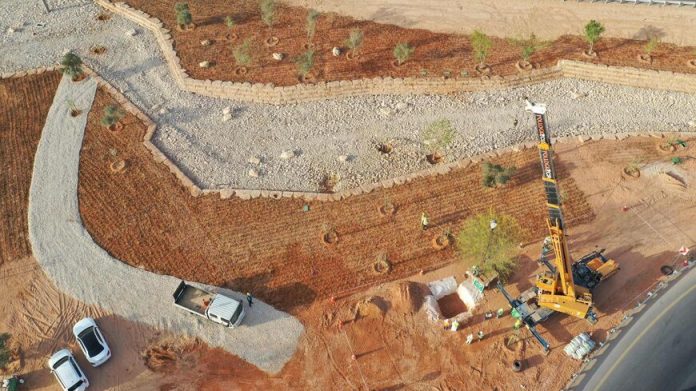
An aerial picture shows workers using a crane to plant trees in a park project by the roadside in the Saudi capital Riyadh, on March 29, 2021. - Although the OPEC kingpin seems an unlikely champion of clean energy, the "Saudi Green Initiative" aims to reduce emissions by generating half of its energy from renewables by 2030. (Photo by - / AFP) (Photo by -/AFP via Getty Images)

The Middle East Corridor Initiative is a strategic plan to enhance the connectivity and cooperation among the countries in the region, especially in the areas of trade, energy, infrastructure, and security. The initiative aims to create a network of corridors that link the major cities and ports of the Middle East, as well as facilitate the movement of people, goods, and services across borders. The initiative also seeks to foster dialogue and trust among the participating countries, as well as address the common challenges and opportunities they face.

The initiative was launched in 2022 by the United Arab Emirates, Saudi Arabia, Egypt, Jordan, and Israel, with the support of the United States and the European Union. The initiative is open to other countries in the region that share its vision and principles.

The initiative is based on the recognition that the Middle East has a huge potential for economic growth and development, as well as a vital role in ensuring global stability and security. The initiative also acknowledges that the region faces many complex and interrelated challenges, such as conflicts, terrorism, climate change, water scarcity, and social unrest.

The initiative has four main pillars: trade, energy, infrastructure, and security. Under the trade pillar, the initiative aims to promote regional integration and diversification of markets, as well as reduce tariff and non-tariff barriers. Under the energy pillar, the initiative aims to enhance energy security and efficiency, as well as develop renewable and clean energy sources.

Under the infrastructure pillar, the initiative aims to improve the quality and accessibility of transport, communication, and digital networks, as well as support urban development and smart cities. Under the security pillar, the initiative aims to strengthen cooperation on counterterrorism, cyber-security, maritime security, and humanitarian assistance.

The initiative has already achieved some notable results since its inception. For example, it has facilitated the signing of several bilateral and multilateral agreements on trade, investment, tourism, aviation, and energy among the participating countries. It has also supported the construction of several infrastructure projects, such as pipelines, railways, bridges, and ports. It has also enhanced the coordination and information-sharing among the security agencies of the participating countries.

However, the initiative also faces many challenges that need to be overcome in order to achieve its goals. Some of these challenges are:

The persistence of political and ideological conflicts among some of the countries in the region, which may undermine the trust and cooperation required for the initiative. The lack of a clear and consistent legal and regulatory framework for regional integration, which may create obstacles and uncertainties for trade and investment.

The uneven distribution of resources and capacities among the participating countries, which may create imbalances and inequalities in the benefits and costs of the initiative. The vulnerability of the region to external shocks and pressures, such as geopolitical tensions, economic crises, and environmental disasters.

The initiative has four main pillars: trade, energy, infrastructure, and security. Under each pillar, the initiative has specific objectives and actions that aim to address these challenges and leverage the opportunities. These are:

Trade: To promote regional integration and diversification of markets, as well as reduce tariff and non-tariff barriers. Some of the actions include, establishing a free trade area among the participating countries; harmonizing standards and regulations; facilitating customs procedures; enhancing trade facilitation and logistics; supporting small and medium enterprises; promoting e-commerce; creating joint chambers of commerce; developing regional value chains; expanding trade with other regions.

Energy: To enhance energy security and efficiency, as well as develop renewable and clean energy sources. Some of the actions include, building interconnections among national grids; diversifying energy sources and suppliers; increasing energy efficiency and conservation; developing solar, wind, hydro, nuclear, and other renewable energy projects; establishing a regional energy market; creating a regional energy agency; cooperating on research and innovation; sharing best practices and technologies.

Infrastructure: To improve the quality and accessibility of transport, communication, and digital networks, as well as support urban development and smart cities. Some of the actions include, constructing pipelines, railways, bridges, ports, airports, roads, tunnels, and other infrastructure projects; upgrading existing infrastructure; improving cross-border connectivity; developing regional transport corridors; enhancing digital infrastructure; promoting broadband access; fostering digital literacy; supporting urban planning and management; developing smart city solutions.

Security: To strengthen cooperation on counterterrorism, cyber-security, maritime security, and humanitarian assistance. Some of the actions include enhancing intelligence-sharing and coordination among security agencies; conducting joint exercises and training; developing common strategies and protocols; combating terrorism financing and radicalization; strengthening cyber-security capabilities and resilience; protecting critical infrastructure; ensuring maritime security and safety; providing humanitarian aid and relief to conflict-affected areas.

The Middle East Corridor Initiative is a visionary and ambitious project that has the potential to transform the region for the better. It is not only beneficial for the participating countries, but also for the wider international community. It is a model of regional cooperation that can inspire other regions in the world. It is a testament to the power of dialogue and diplomacy over violence and confrontation.