

The United States is intensifying efforts to ensure American artificial intelligence technologies become embedded across Asian markets, opening a new front in the escalating technological rivalry between Washington and Beijing.
Speaking on the sidelines of the Asia-Pacific Economic Cooperation trade ministers’ meeting in Suzhou, senior U.S. State Department official Casey K. Mace said Washington is actively promoting American AI systems across the region as China rapidly scales lower-cost domestic alternatives.
“We’re very active in promoting U.S. AI options and solutions,” Mace told CNBC, underscoring how AI diplomacy is increasingly becoming part of broader U.S. economic and geopolitical strategy in Asia.
Register for the next Tekedia Mini-MBA.
Register for Tekedia AI in Business Masterclass.
Join Tekedia Capital Syndicate and co-invest in great global startups.
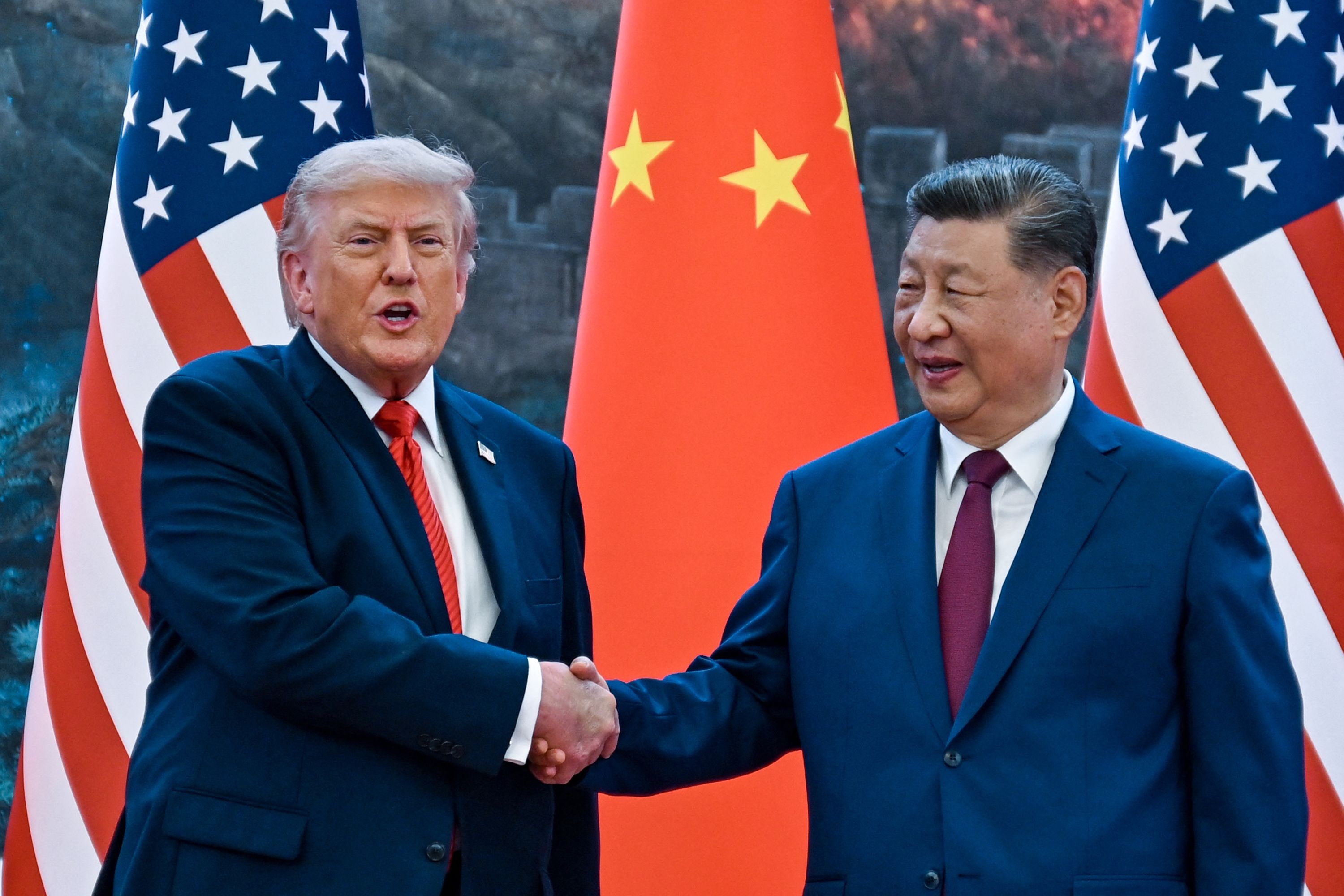
The comments come just days after Donald Trump traveled to China alongside leading American technology executives, signaling how central AI and advanced computing have become to the competition between the world’s two largest economies.
At stake is not merely commercial dominance, but influence over the technological infrastructure likely to underpin future industries, supply chains, healthcare systems, and digital governance frameworks across the Asia-Pacific region.
Washington has spent the past several years restricting China’s access to advanced U.S. semiconductors and AI hardware, particularly high-end chips used for training frontier AI models. Those export controls were designed to slow Beijing’s progress in military AI, advanced computing, and strategic technologies.

China, meanwhile, has accelerated efforts to build a self-sufficient technology ecosystem. Beijing has long blocked major American platforms such as Google and Meta Platforms’ Facebook from operating in mainland China, while Chinese technology firms increasingly offer lower-cost alternatives to U.S. software, cloud infrastructure, and AI systems across developing markets.
The emerging battle is now shifting toward third countries, especially across Asia, where both Washington and Beijing are seeking to shape standards, partnerships, and long-term digital dependencies.
Mace said U.S. technology firms will participate in an APEC “digital week” event in Chengdu in July, where workshops will focus on practical AI applications, including food traceability, genome sequencing, and biotechnology. Although China is hosting the broader APEC process this year, Mace said the forum provides Washington with an opportunity to engage all 21 member economies simultaneously.

The official declined to identify which American firms would participate, though the involvement of U.S. companies highlights how government and private-sector coordination is becoming increasingly central to America’s AI diplomacy.
Mace also pushed back against suggestions that Washington was simply attempting to impose “best in class” U.S. technologies over Chinese competitors. Instead, he framed the effort as expanding market access and commercial engagement for American firms operating in Asia.
Still, the broader objective is increasingly difficult to separate from geopolitical competition.
Chinese technology companies, including cloud providers and AI developers, are moving aggressively into overseas markets with offerings that are often cheaper and less restricted than U.S. alternatives. That creates growing pressure on Washington to ensure allied and partner nations continue adopting American computing infrastructure and software ecosystems.
“There is pressure to distribute American compute globally,” Ryan Fedasiuk, a fellow at the American Enterprise Institute, told CNBC last week.
“The Trump administration is right in trying to advocate and implement with this,” Fedasiuk said. “But it will compete with Chinese hyperscalers and Chinese AI labs that are attempting to do exactly the same.”
The competition is increasingly extending beyond conventional AI applications into strategically sensitive sectors such as biotechnology and genomic research. Fedasiuk noted he is closely watching whether Washington and Beijing can coordinate on safeguards involving DNA synthesis vendors to reduce risks tied to engineered pathogens and future pandemics.
That area illustrates a growing paradox in the U.S.-China technology rivalry: the two powers are simultaneously competitors and necessary counterparts in managing risks associated with rapidly advancing technologies.
Signs of limited cooperation may already be emerging. China’s foreign ministry confirmed this week that Beijing and Washington have agreed to begin discussions on the safe development of AI following recent high-level engagements between Trump and Chinese President Xi Jinping.
Mace described the atmosphere surrounding recent talks as “positive,” attributing the tone partly to what he called the “very successful meeting” between the two leaders in Beijing.
Yet beneath the diplomatic language, the competition is intensifying.
For Washington, exporting American AI systems is becoming as much a national security objective as a commercial one. U.S. officials increasingly view control over global AI infrastructure, cloud computing and advanced semiconductors as foundational to maintaining economic leadership and geopolitical influence. China, meanwhile, sees technological self-reliance and overseas digital expansion as essential to insulating itself from U.S. restrictions and reshaping the global technology order around alternatives less dependent on American firms.