DD
MM
YYYY

PAGES

DD
MM
YYYY

spot_img

PAGES

Home Blog Page 7027

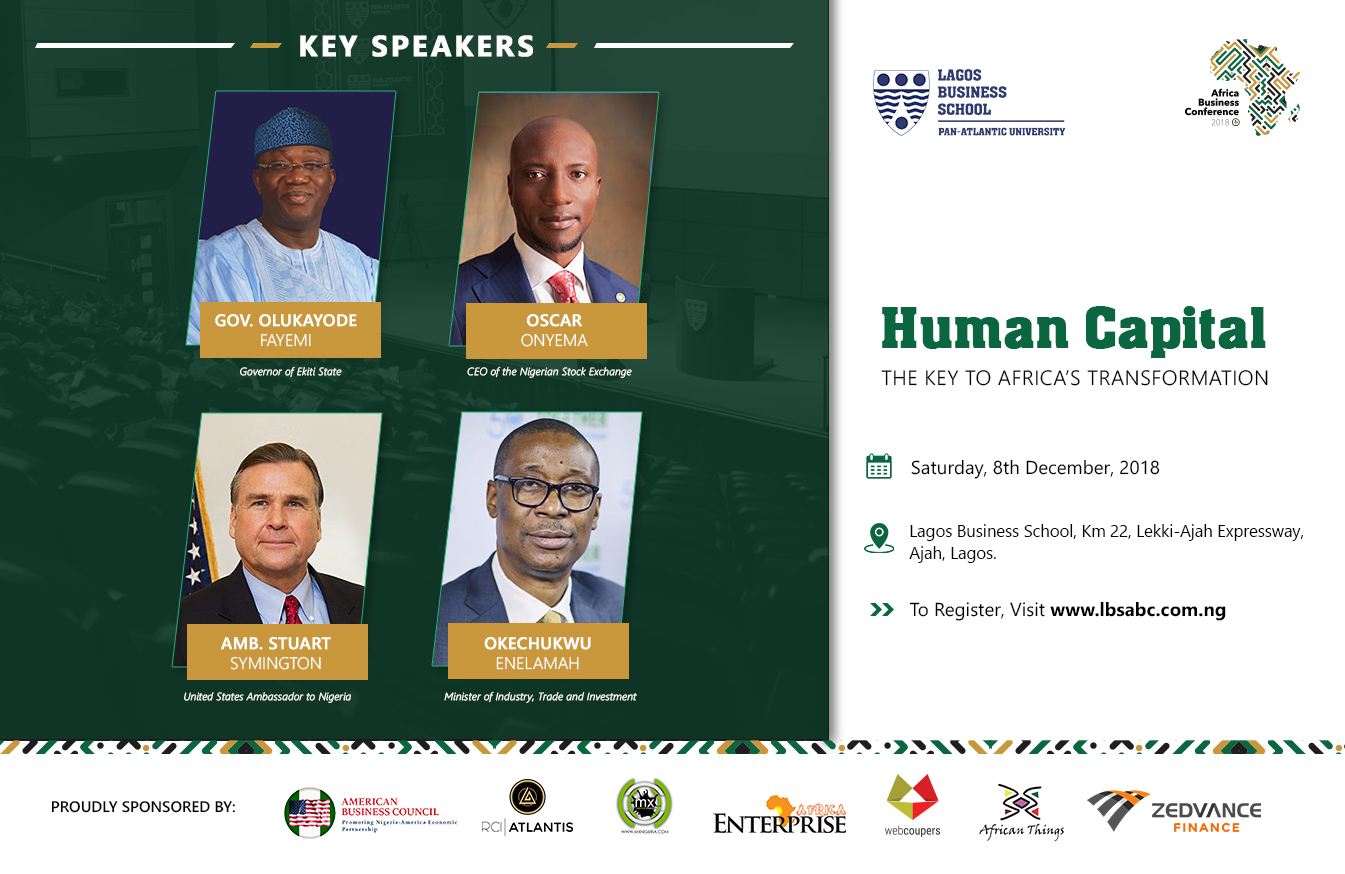
Join Lagos Business School MBA Students On Dec 8, 2018 – Gov Fayemi, NSE Onyema, Min Enelamah, US Amb Stuart, More

0

The Africa Business Conference is an annual forum that targets business leaders, financiers, and policy makers across Africa and the world , as well as investors seeking to do business in Africa, with the aim of generating insights and gaining mindshare on trends in Africa that would affect doing business in Africa and propel the continent to the forefront of advanced economies in the world. The conference is aimed at creating a platform for thought leaders to come together to chart a course forward for Africa to serve as a platform to foster networking between industry leaders and business men in Africa.

Register here immediately to attend – N5,000.
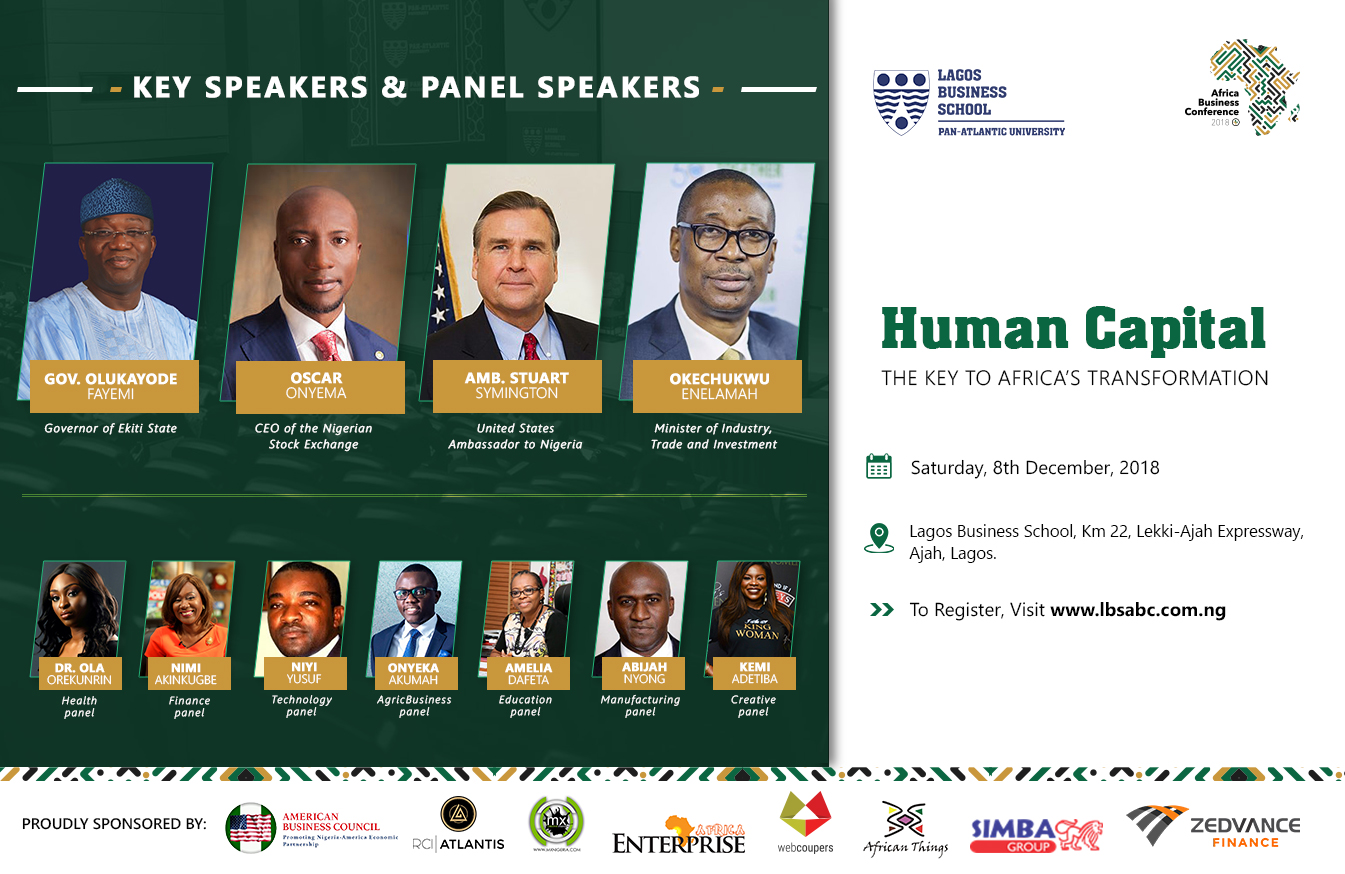
The conference has been hosted by the MBA class of the Lagos Business school since 2013. This year, in tune with the aim of the conference, the MBA hosted an earlier conference themed “Opportunity Realisation in Africa”, to set a tone for the intentional realization of goals for the year.
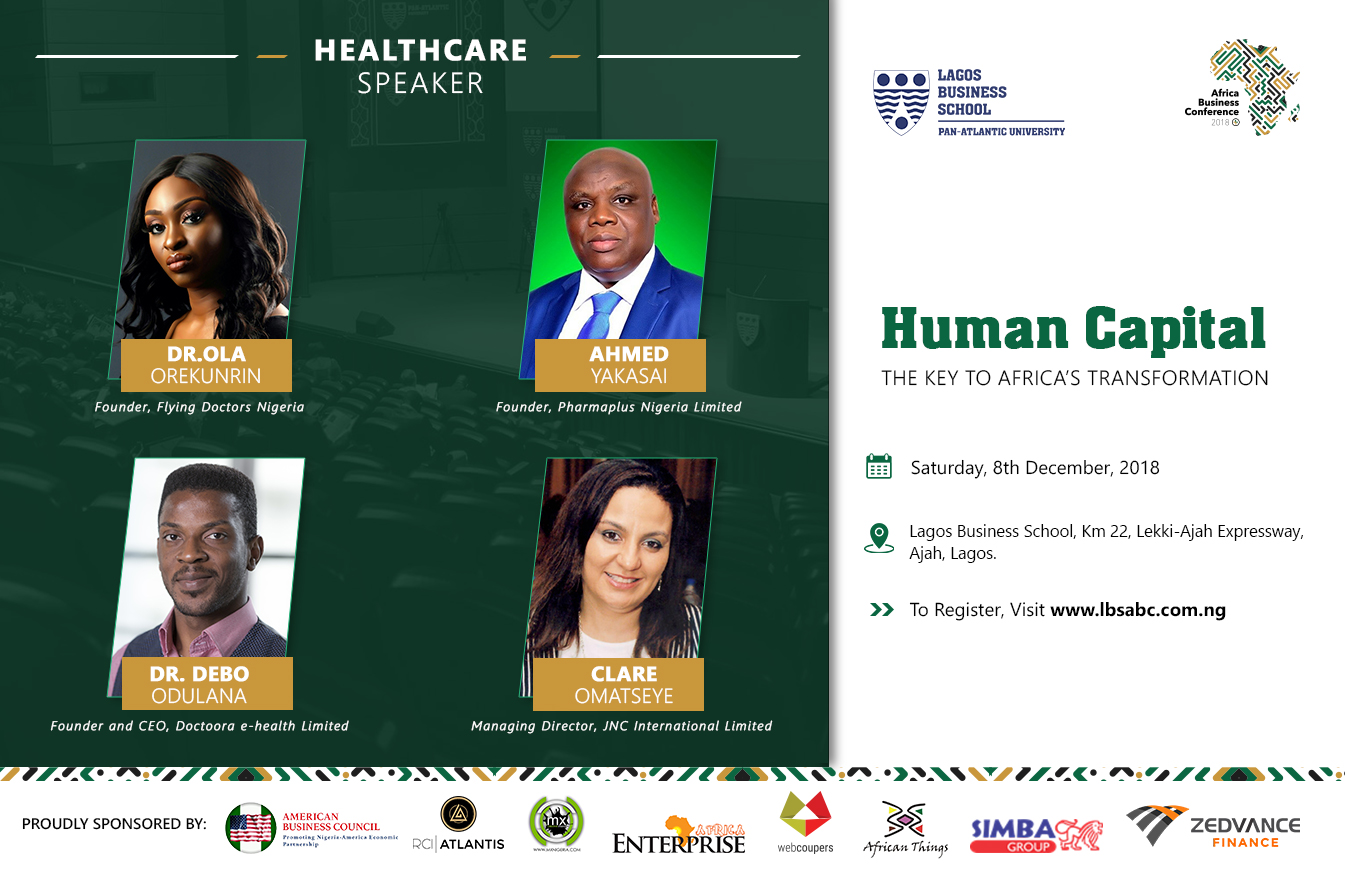
With the introduction of the 2018+ edition, the 7th installment is themed “Human Capital: The Key to Africa’s transformation”.

This second installment for the year came as a reaction to the pulse of the business environment and the people who make up this environment. The humans are the lifeblood of any venture first, before the idea and the finances. It is increasingly becoming apparent that as a people, Africans are the most valuable resource available in the continent, often overlooked or unappreciated.
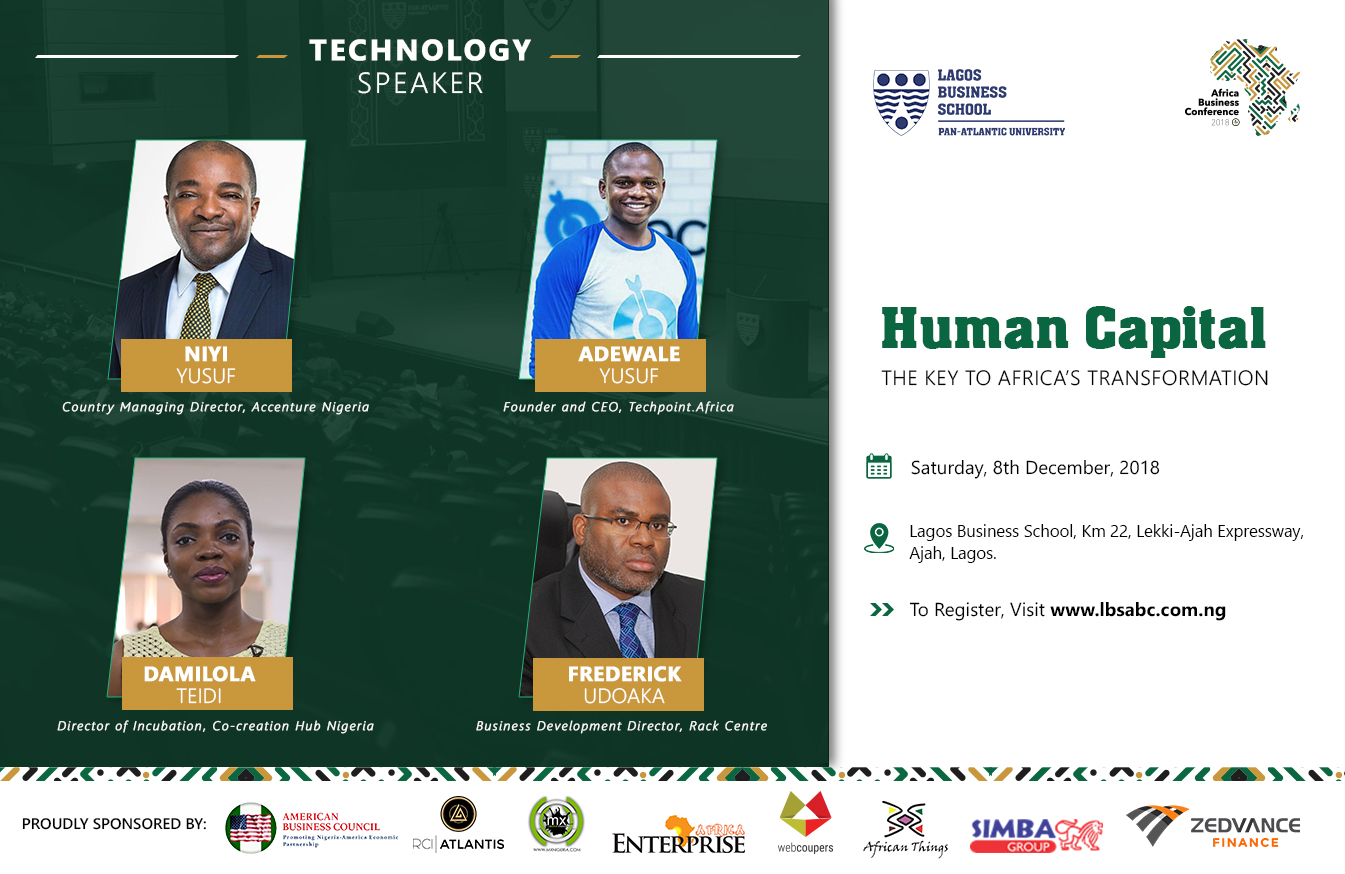
With this conference, we aim to have conversations on why we are unable to efficiently harness this strength as a continent, as a people. There is scheduled an array of key note speakers from notable works like the Nigerian Stock Exchange and the Nigerian government, as well as the international community as well as several break out panels, so that irrespective of the corner of the earth where you play, there is enough audience to your questions.
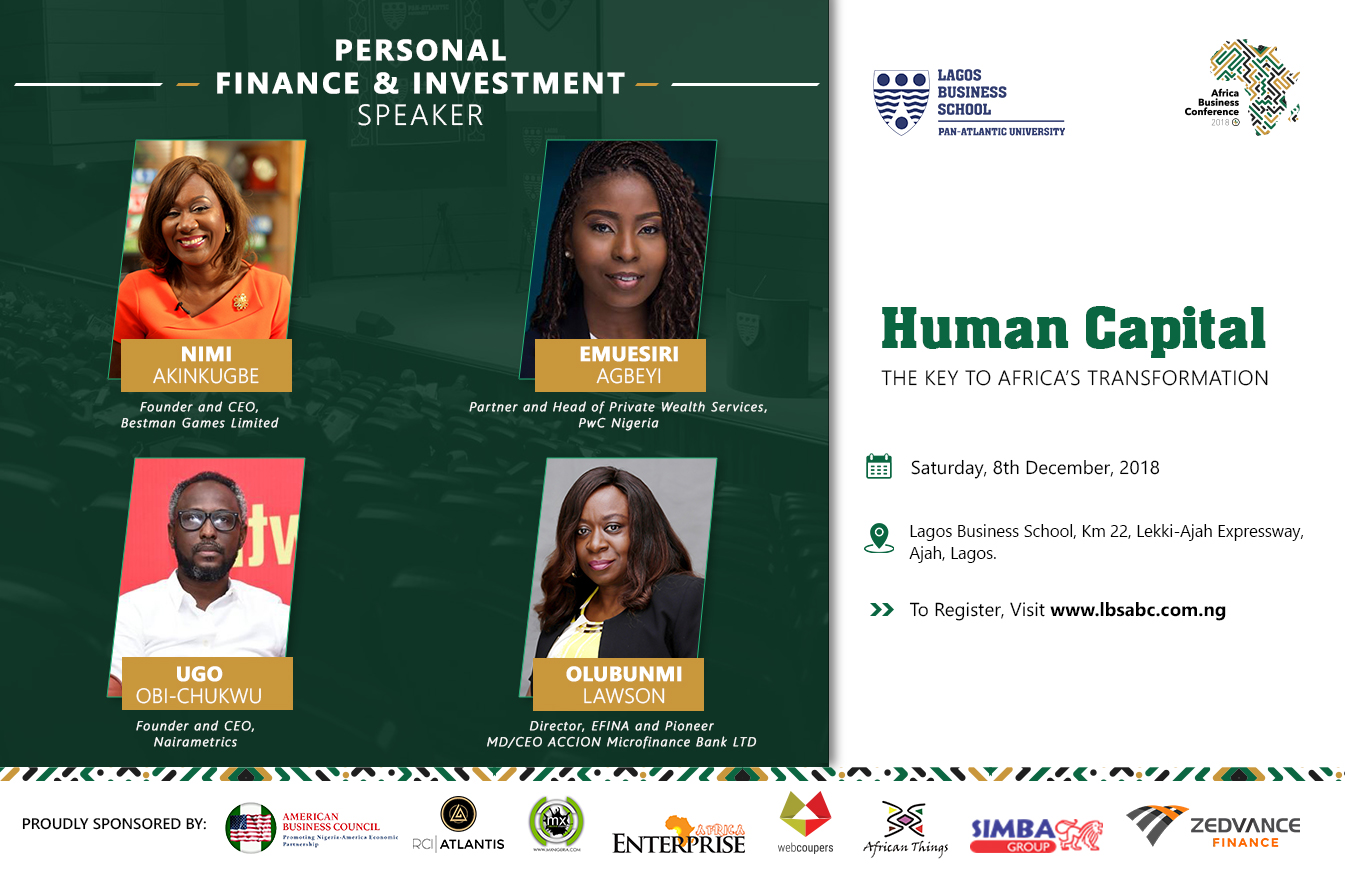
The conference true to its interest in people began with a social network campaign, celebrating Africans who have passionately worked on their interest in humanity, sharing their stories with the tag “Building my African dream”, found on social media with the hashtag #BMAD.
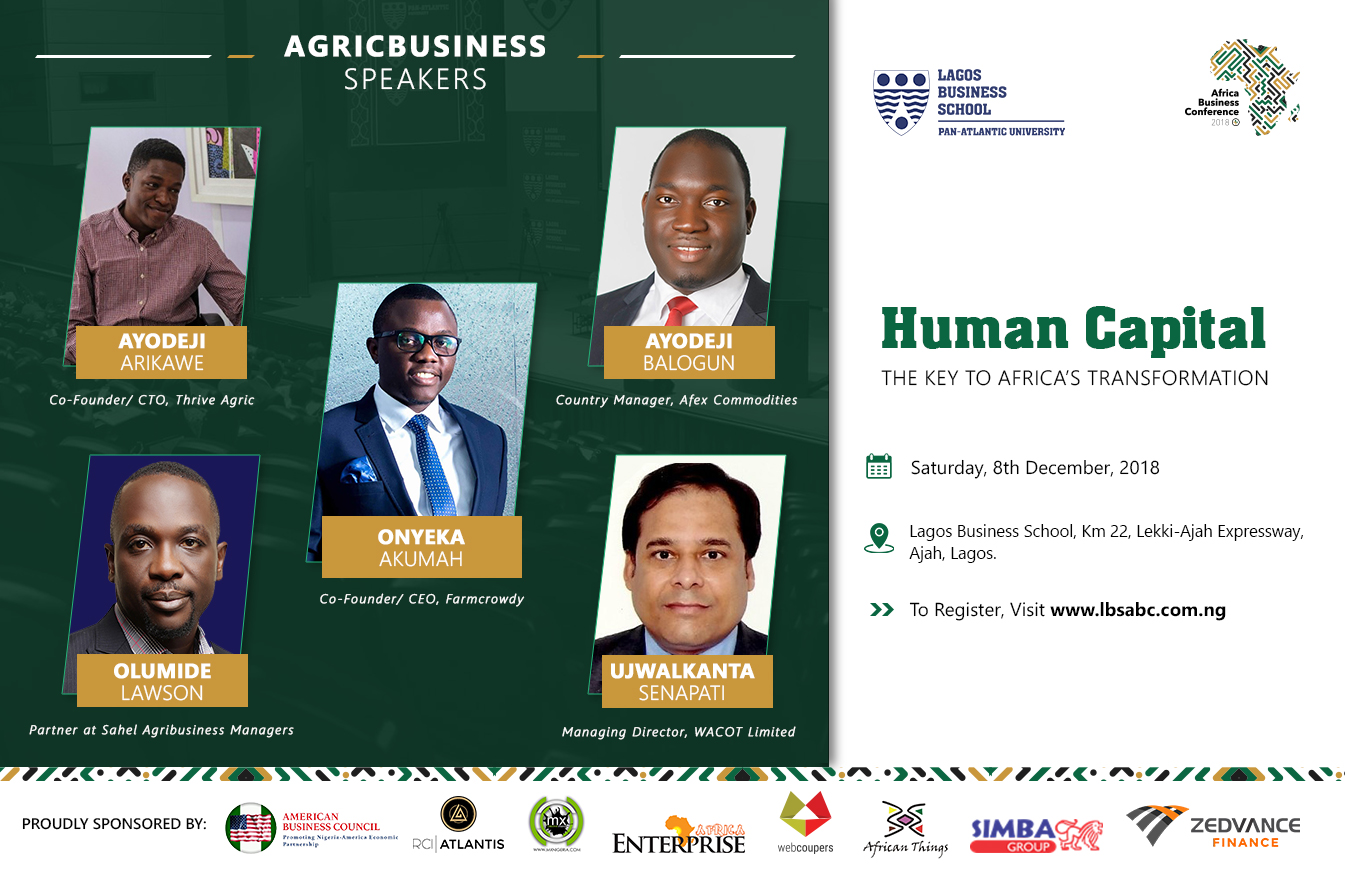
Further information on the conference, its panel speakers and available panels can be found on the official website lbsabc.com.ng, and through our social media accounts on Twitter and Instagram with the handle, lbsabcc.


Good News for DStv: South Africa Upgrades Its Tax Policy, Forcing Netflix to Pay VAT

0
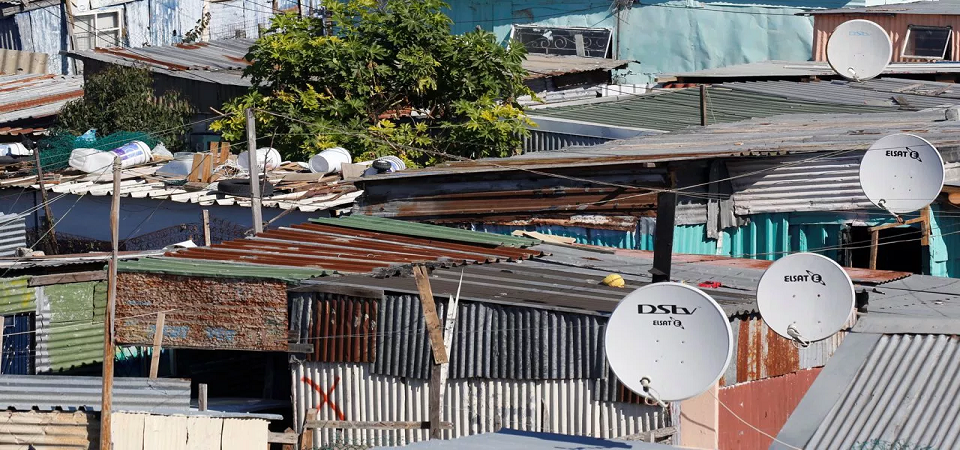
DSTv court

South Africa has upgraded its tax policy. Now, Facebook, Google, Netflix, and other digital ICT utilities would have to pay the country’s VAT. The regulation takes effect April 1, 2019.

This after the National Treasury published new regulations specifically for electronic services which expanded the meaning of “electronic services” to “any services supplied by means of an electronic agent, electronic communication or the internet for any consideration”.

That means any electronic services from another country provided in South Africa – such as such as online advertising, online courses, online consulting services, software subscriptions, website hosting, streaming services, online games, podcasts and publications – will be subject to 15% VAT, Natalie Macdonald Govender, associate at Bisset Boehmke McBlain attorneys, said.

Making this work is simple: just ask the local banks to collect the VAT as the transactions are being processed. Where that is not possible, do not allow any customer to use South African domiciled financial products (credit card, bank account, etc) to effect such payments.

Of course, the ICT utilities will likely add the VAT and the burden would go to the local customers. And at the end, the country has collected extra change from its citizens. Google, Netflix and others would not be financially impacted even though they may lose some customers who may find their products more expensive.

MultiChoice, DStv,DStv systems (source: Quartz)

But do not miss the game plan: if local competitors like Naspers’ DStv pay VAT, it is fair that Netflix does the same. By bringing everyone on parity, competitive-pricing equilibrium will be attained. Yes, by not collecting VAT from Netflix, the company was having an advantage over DStv in South Africa [by not collecting local VAT, Netflix fees were artificially lower]. Sure, you can make a case that Netflix has taxes to pay in U.S. But that does not concern the local regulators and competitors: it was Netflix that left its home country to compete in another. It has to do like the locals!

This is certainly good news for DStv; it has made that case in the past.

“As a country we have national objectives … if I was to be very narrow, I would say [to Icasa]: treat us like Netflix, so we do not have to pay tax or comply with black economic empowerment regulations,” he told the South African newspaper. “I am saying bring the likes of Netflix in the same net. Netflix does not employ even one person in this country, it doesn’t pay tax, they do not have to do any local content.”

Watch out – Netflix prices will go higher (from the consumer angle). Implication: the best show would now WIN, not by imbalance created via 19th century tax policy.

Expect this idea to scale across Africa.

Not Just Taxes in South Africa

I do believe that the tax upgrade is partly to help the local competitors. South Africa has a great record of helping its own. Think of the massive investment PIC is making in MTN Group right now. Possibly, that would help MTN overcome the paralysis it is going through at the moment.

The Public Investment Corp. raised its stake in MTN Group Ltd. for the second time in as many days, taking advantage of a price that’s close to 10-year lows amid a crisis in Nigeria.

The PIC’s shareholding is almost 26 percent, Johannesburg-based MTN said in a statement on Thursday. The previous day, Africa’s largest wireless carrier by sales said the stake had increased to about 24 percent.

“We believe MTN has a strong set of assets and competencies,” Deon Botha, head of corporate affairs, said in emailed comments, declining to say more about the PIC’s rational for boosting its stake.

Just Confirmed To Speak in Harvard In Feb 2019

0

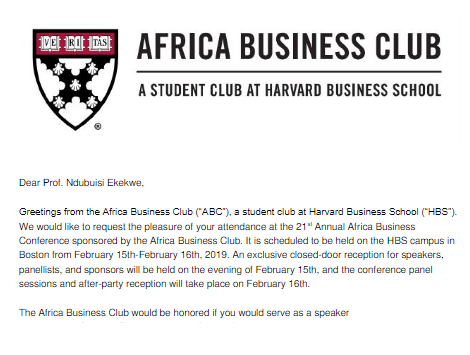
I will be speaking in Harvard in Feb 2019; just confirmed the invitation of the Africa Business Club (a student club at Harvard Business School) to speak on health during the 21st Annual Africa Business Conference.

I will be there for our health-tech startup, Medcera, which I wrote recently in a Harvard Business Review article on our plans to redesign the architecture of rural healthcare systems using emerging technologies like AI and integrated health record systems. Yes, there is a promise that if we can handle diagnosis of many common diseases with intelligent systems, doctors can focus on the most difficult ones.

Zenvus Receives “Sustainability Inventor of the Year” Award

1

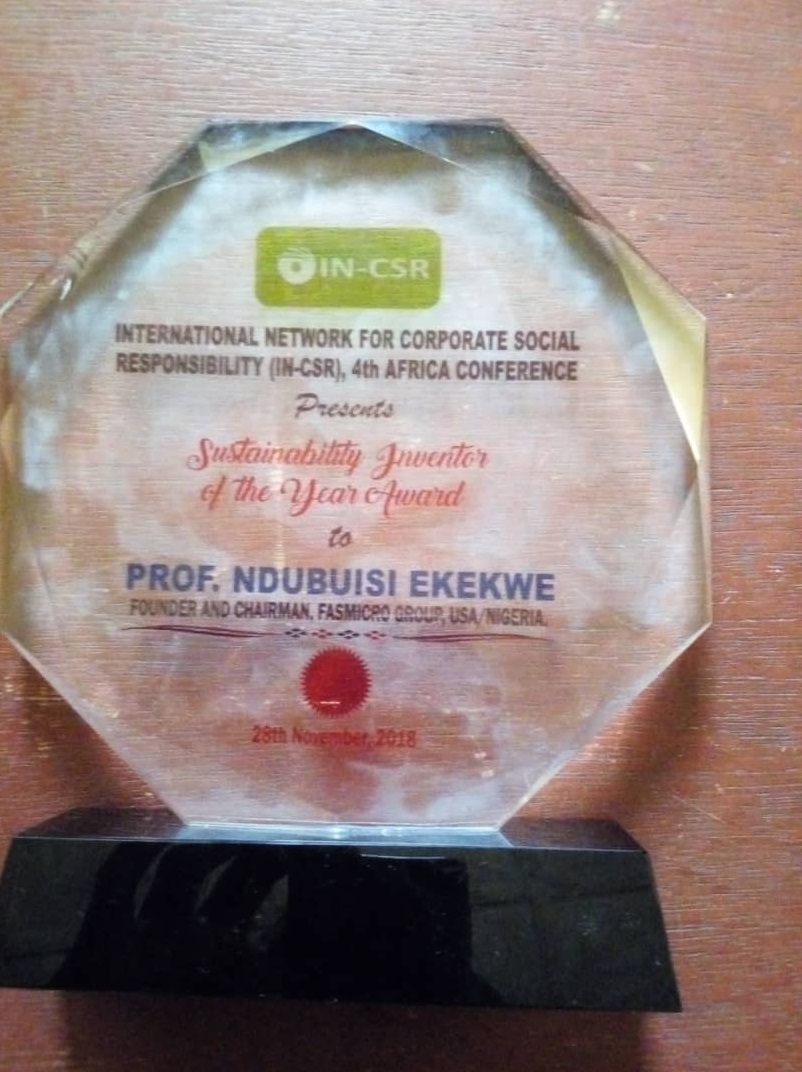
Yesterday, I received the International Network for Corporate Social Responsibility (IN-CSR) “Sustainability Inventor of the Year” award for our works in agriculture technology through Zenvus. Thanks IN-CSR for the recognition.


Just Spoke with IMF’s Finance & Development Magazine on Talent in Africa

0

I just finished an hour-long interview with the International Monetary Fund’s quarterly magazine Finance & Development. This particular interview focused on talent and Africa and how corporations and governments are deepening human capital capabilities. Get the next issue of IMF’s Finance & Development.

Before electronics engineering, we were bankers (really good one). And before doctoral in engineering, I had one in Finance! My research had focused on labour, trade and currency. I wrote the lead paper for African Union single currency for the AU Congress. It was magical as I presented before the AU Congress few days after I defended a PhD dissertation on electronics; currency-welfare modeling in the night, electronics in the day.

My thesis is that Africa would be better served by having prior-convergence of regional economies before a continental-level economic integration with single currency. This is necessary to avoid trade shocks which would trigger severe welfare losses across African countries. Since the structural natures of our economies are heterogeneous [Nigeria is oil, Rwanda is something else], it would be challenging to have any supranational central bank that can manage deficits effectively.

Today, our national central banks have the leverage to devalue currencies at will but under an integrated continent, that power moves to a supranational bank which means that if Nigeria is experiencing crude oil shocks, all countries in West Africa would immediately feel the pain because the economy of Nigeria is a big component of the region’s.